Illinois in a State of Change: essential severe weather survival tips every resident needs to know
As severe weather continues to affect communities across the Prairie State, knowing what to do is key.



As severe weather continues to affect communities across the Prairie State, knowing what to do is key.
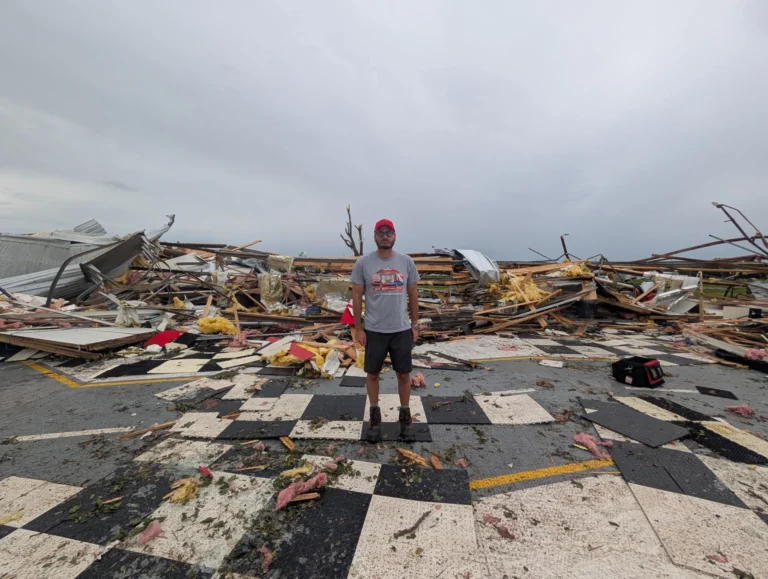
Illinois leads the nation in number of tornadoes in 2026, following a trend of less tornadoes touching down in Tornado Alley and more occurring in the eastern Midwest.
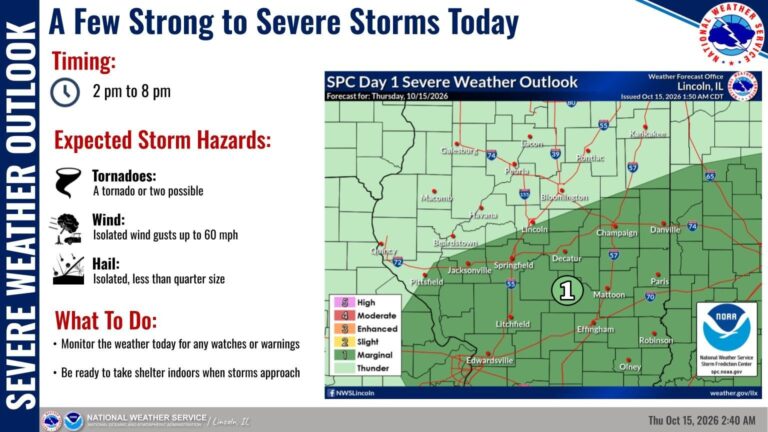
A few strong to severe storms are expected today.
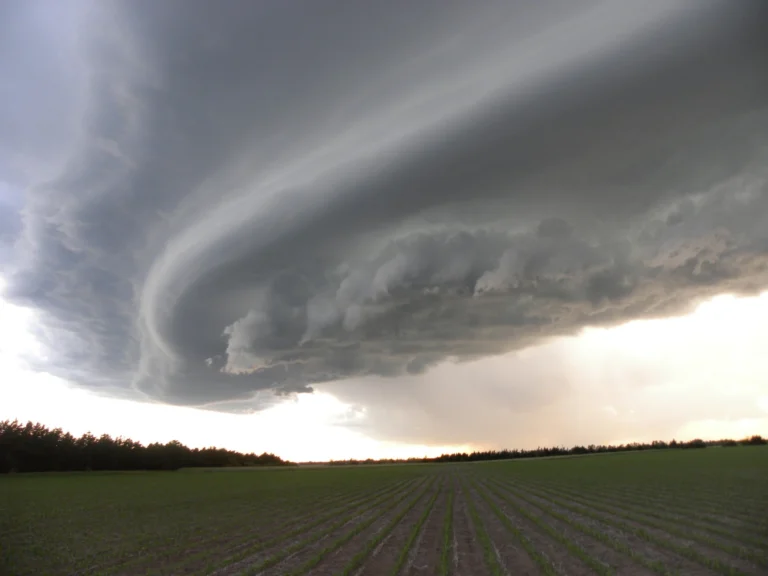
Warmer-than-normal-temperatures in the Pacific Ocean are driving what could be the strongest El Niño on record. Here’s how that’s likely to impact weather across the central U.S this year.
The National Weather Service said conditions are dangerously hot, and that it could feel like 105 degrees.
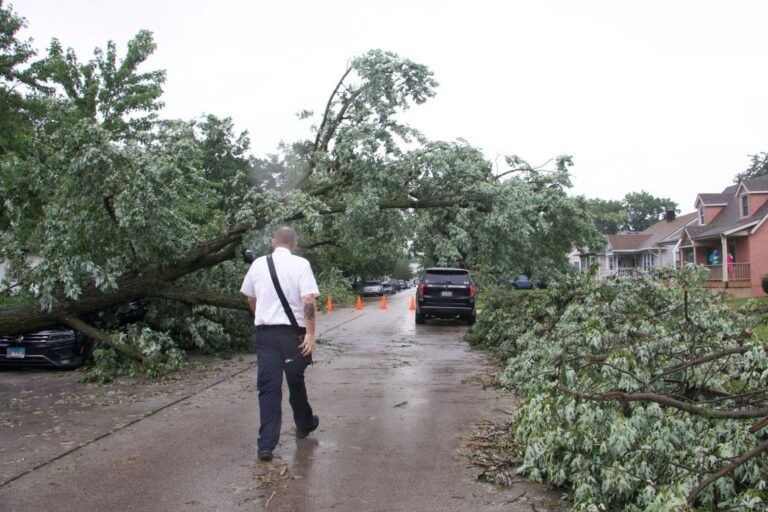
The relief will be available to 15 counties after recent severe and record-breaking storms.
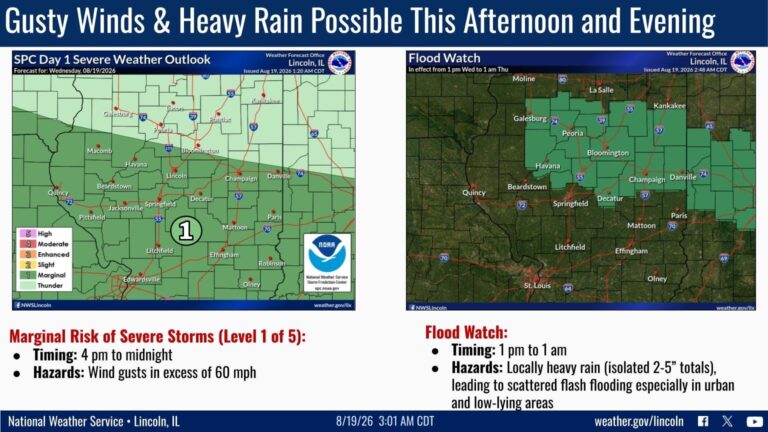
The Flood Watch begins at 1 p.m. Wednesday and will continue until 1 a.m. Thursday.
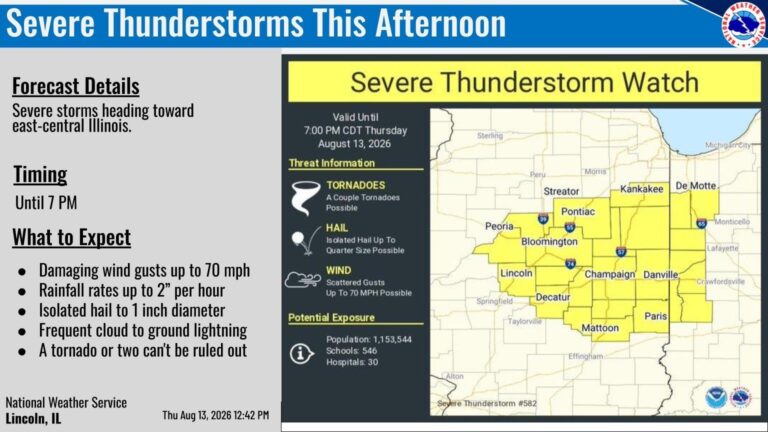
Hail, damaging wind gusts, and heavy rainfall are expected.
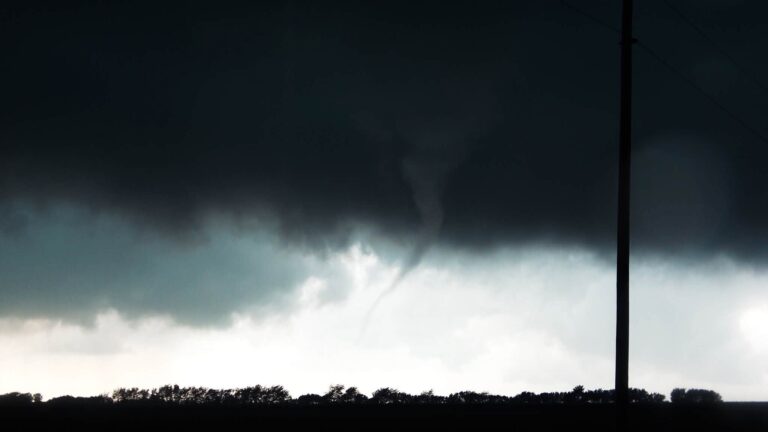
For Breaking Weather Updates, tune to WILL-AM 580, Illinois Classical FM 90.9, and Illinois Soul FM 101.1.

An air quality alert is in effect for central, southeast, and northern Illinois.
Hot and humid weather will dominate the area for the next several days.

Illinois Public Media Meteorologists Ed Kieser and Andrew Pritchard are working to provide forecasts and breaking weather.

The Illinois Climate Network collects data that helps experts and communities make real time decisions during severe weather events.

Meteorologists say an EF3 tornado with peak winds of 145 miles per hour tore a 24 mile path of destruction through Effingham County.
Thousands of residents were left without power following severe weather, including tornadoes, that touched down in Coles County Wednesday night.