
USDA cuts remove local conservation experts from nearly half of Illinois counties
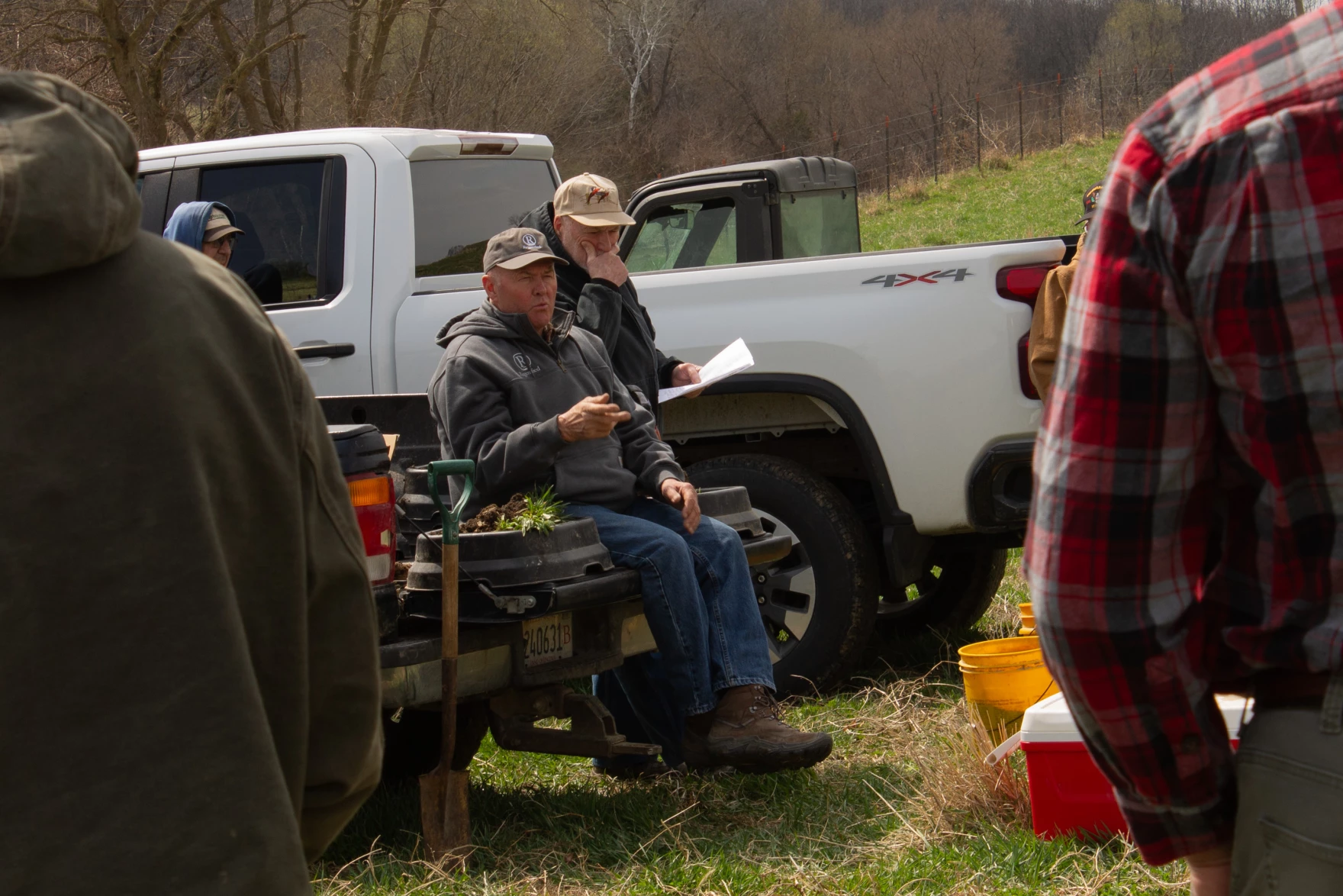
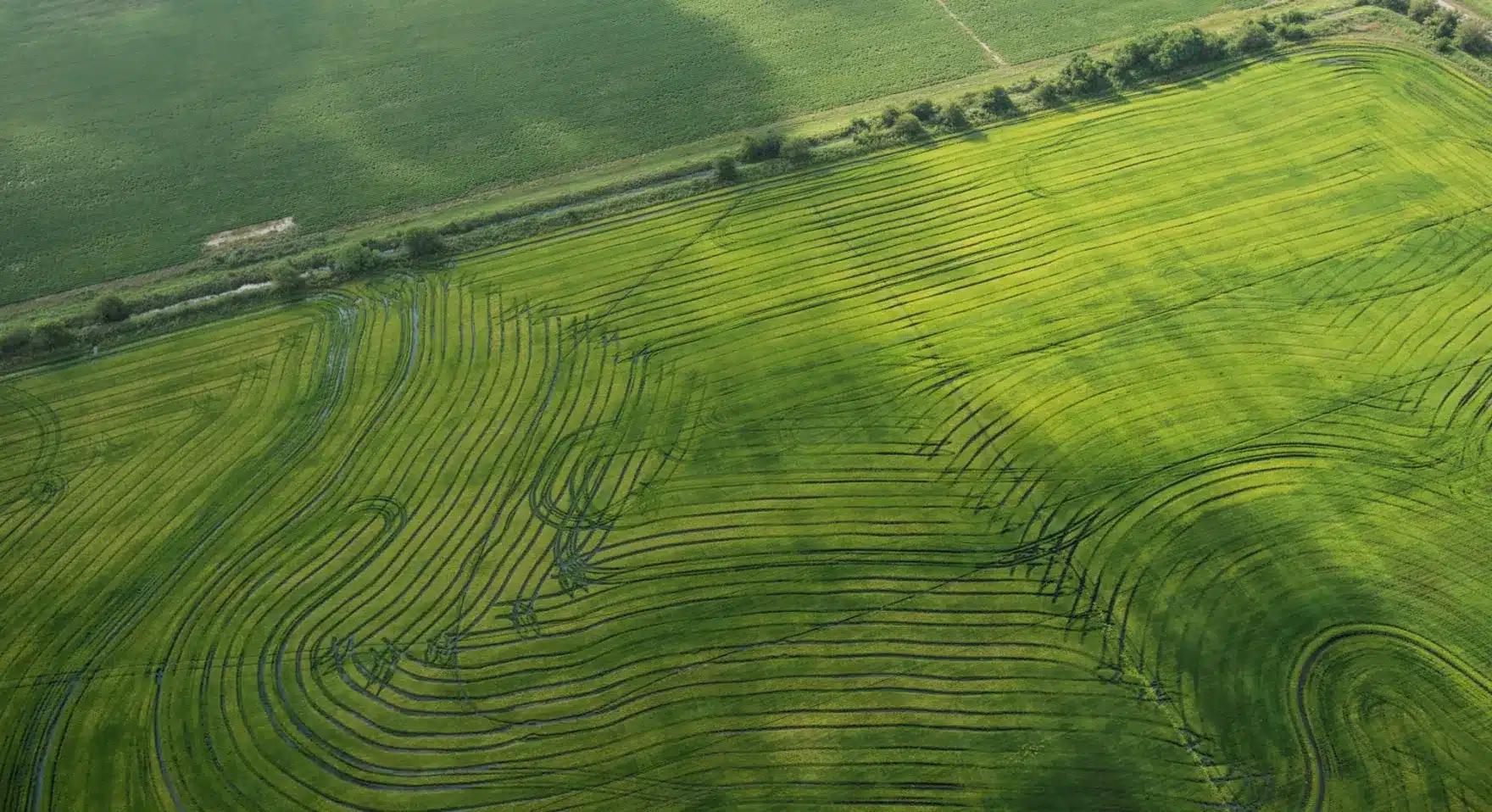
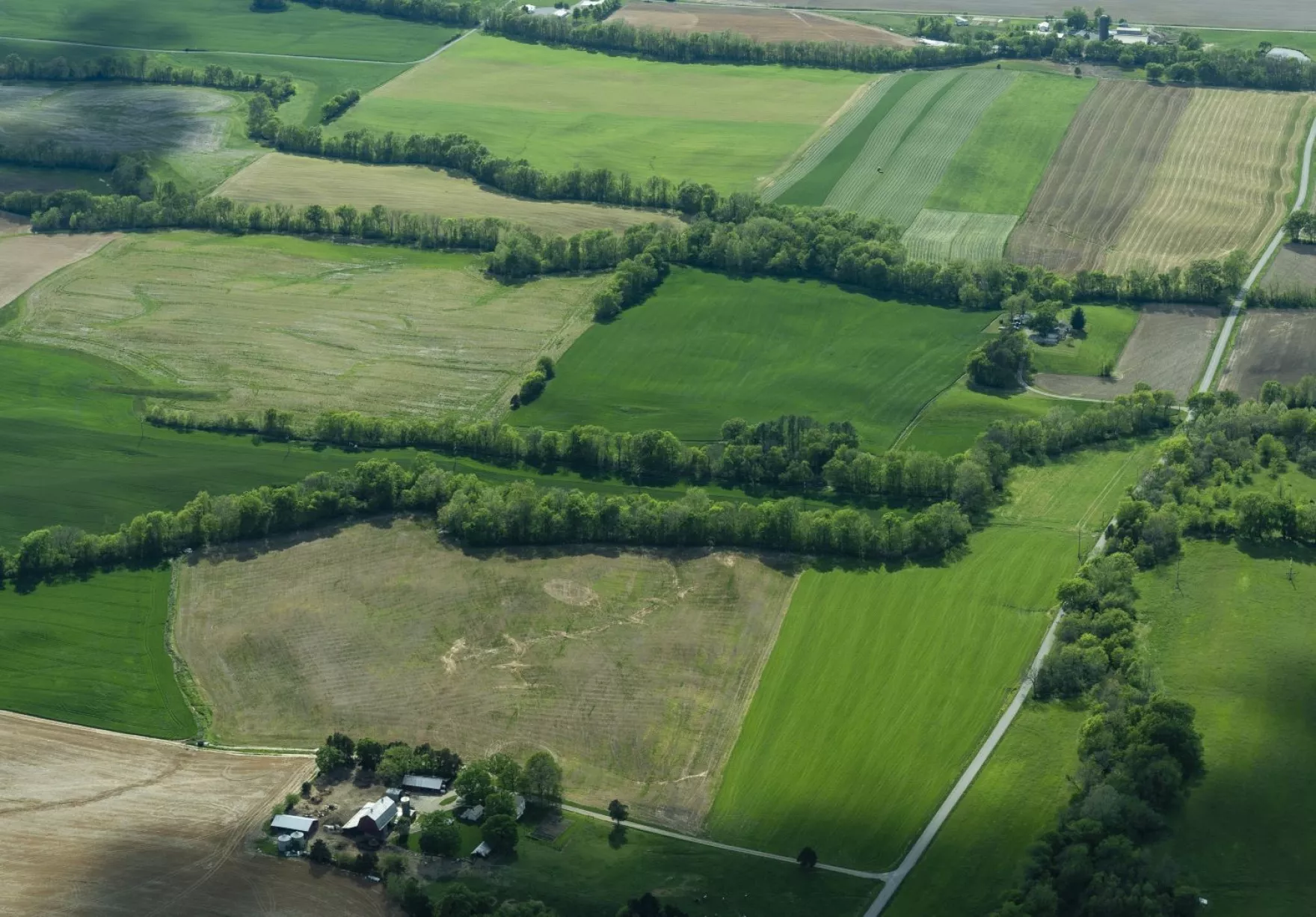
The Trump administration cut 22% of the Natural Resources Conservation Service staff in 2025, impacting nearly half of Illinois counties.

The Trump administration cut 22% of the Natural Resources Conservation Service staff in 2025, impacting nearly half of Illinois counties.

The latest climate monitoring station in Illinois is in Coles County, and researchers with Prairie Research Institute have plans to expand the network even more.

Corn Belt farmers are in the midst of multiple crises.

Farmers have one of the highest suicide rates in the U.S. of any occupation, and in rural communities, suicide rates tend to be higher than in urban areas. Mental health initiatives, like the statewide Farm Family Resource Center, aim to help.

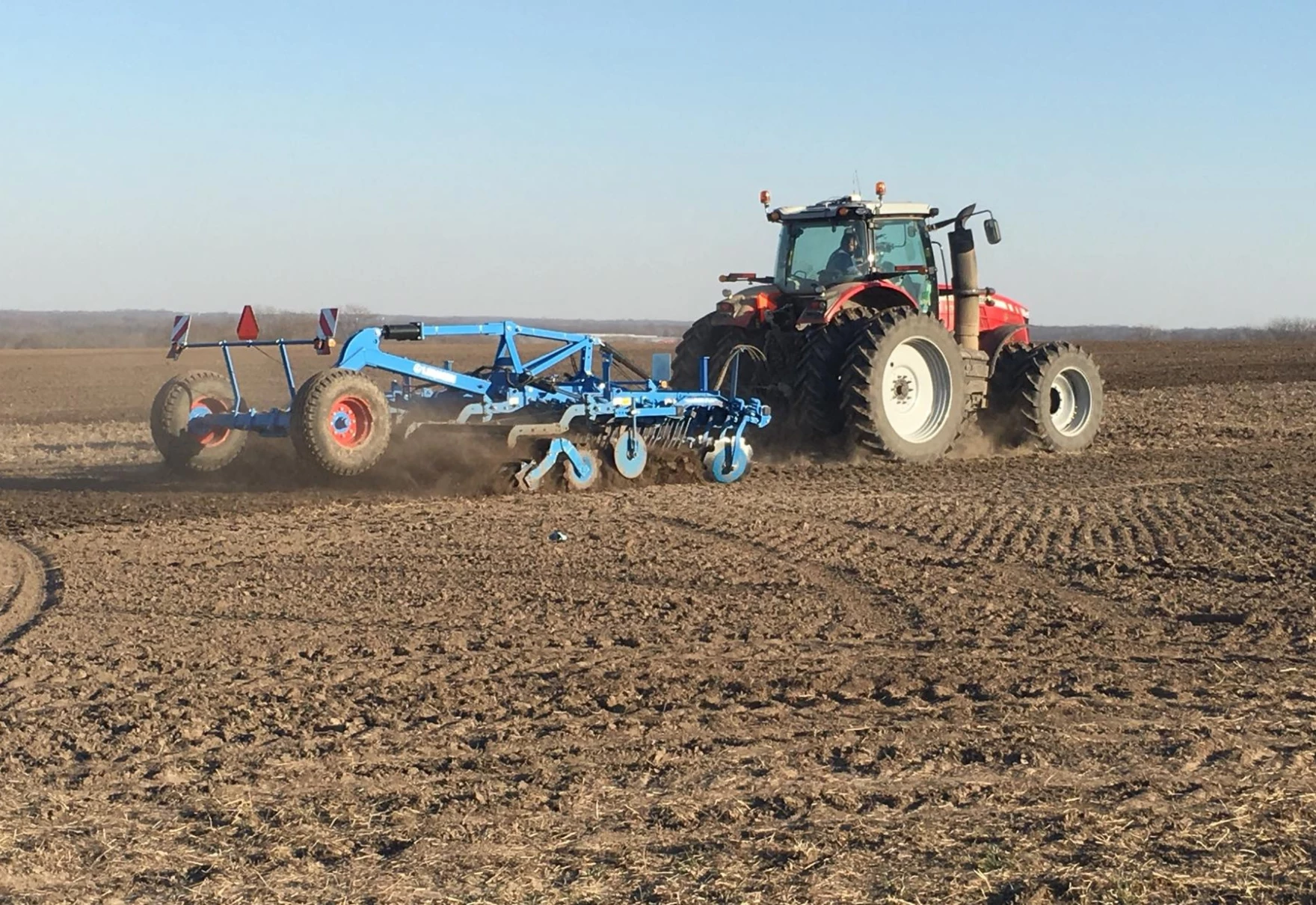
The cost of doing business in agriculture was already high before the blockade of the Strait of Hormuz, which spiked fertilizer and fuel prices.

The program’s goal was to assist historically underserved farmers and ranchers, including Black, Indigenous and immigrant farmers, veterans and people farming for the first time.

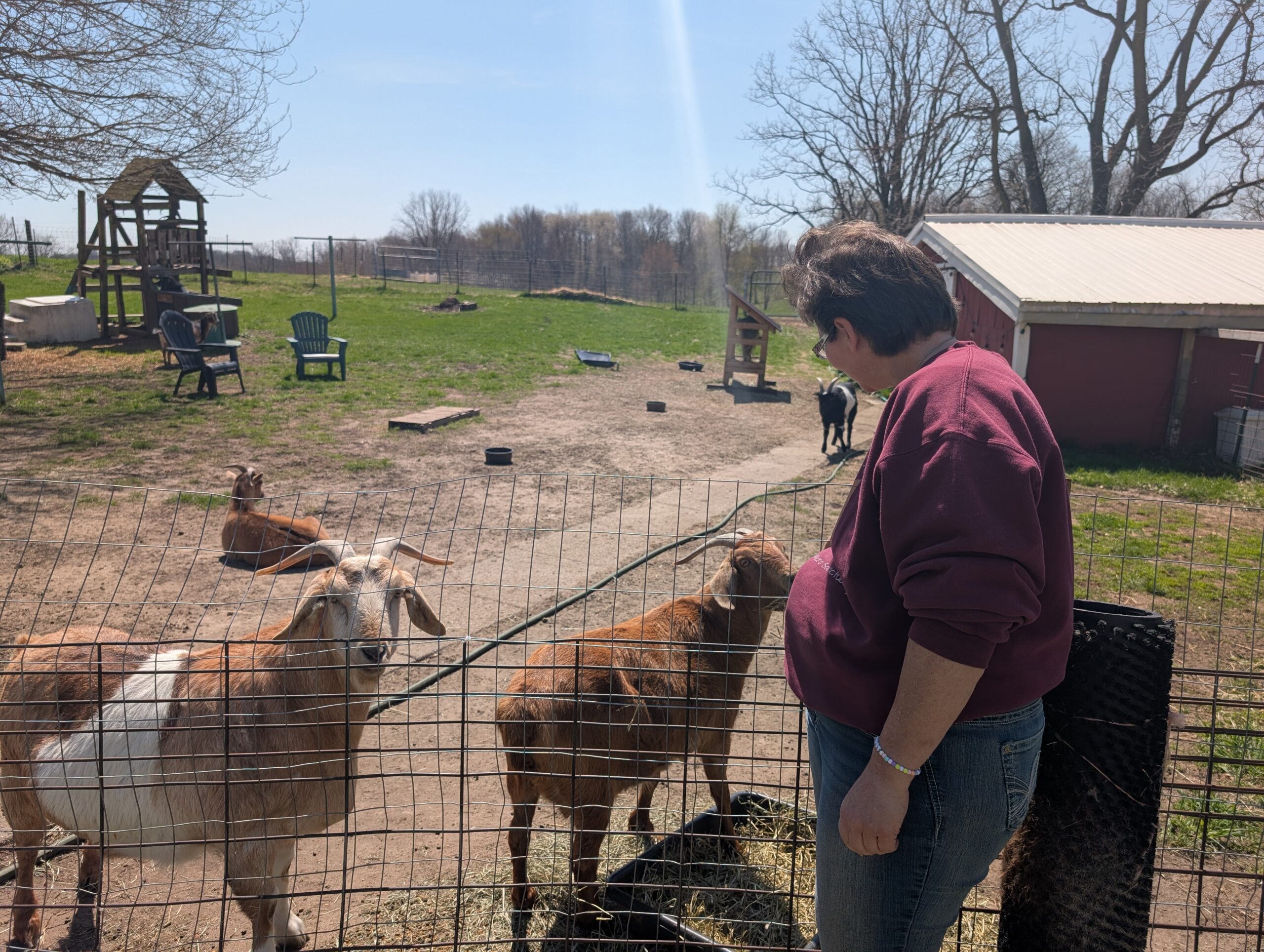
The Farm Micro Sanctuary in Indiana is one of more than a dozen farm animal shelters in the Midwest.

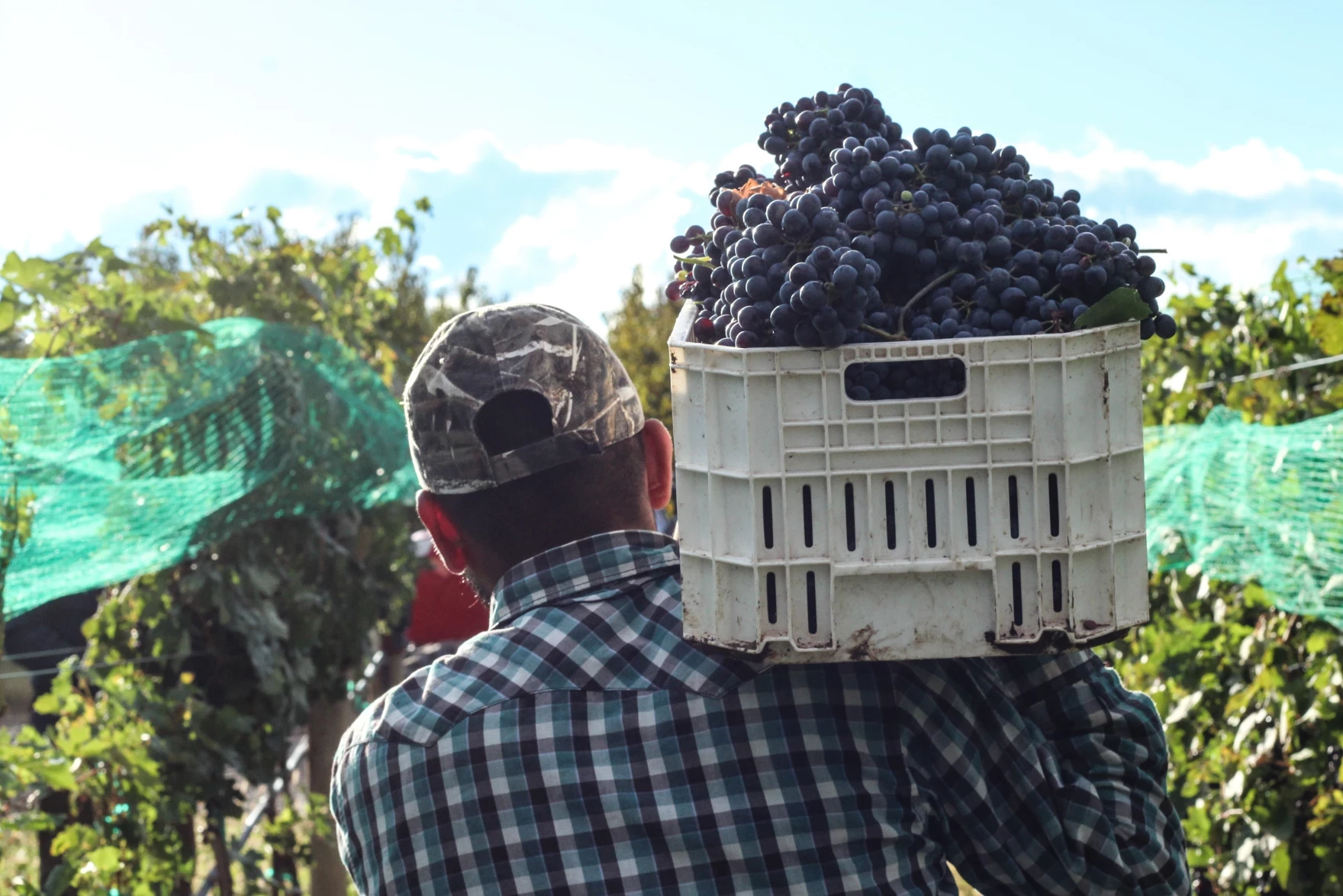
Guest farm workers holding H-2A visas are more important than ever for agriculture, especially after President Trump’s immigration crackdown.

The H-2A visa has become a lifeline for farmers who can’t find enough domestic workers.

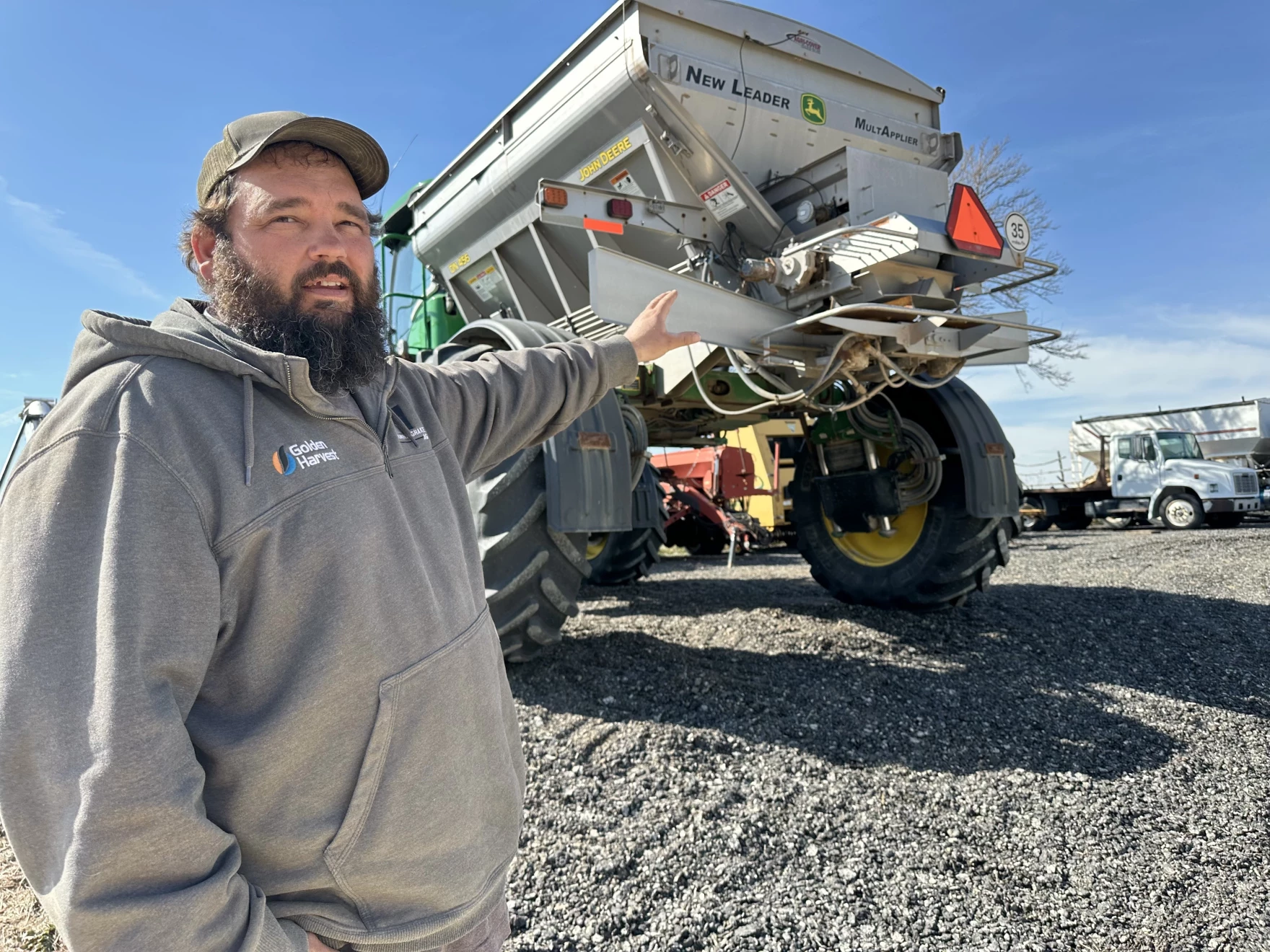
Gulf states are major fertilizer producers, and the war with Iran has triggered a 25% price hike just as struggling U.S. farmers are planting corn.

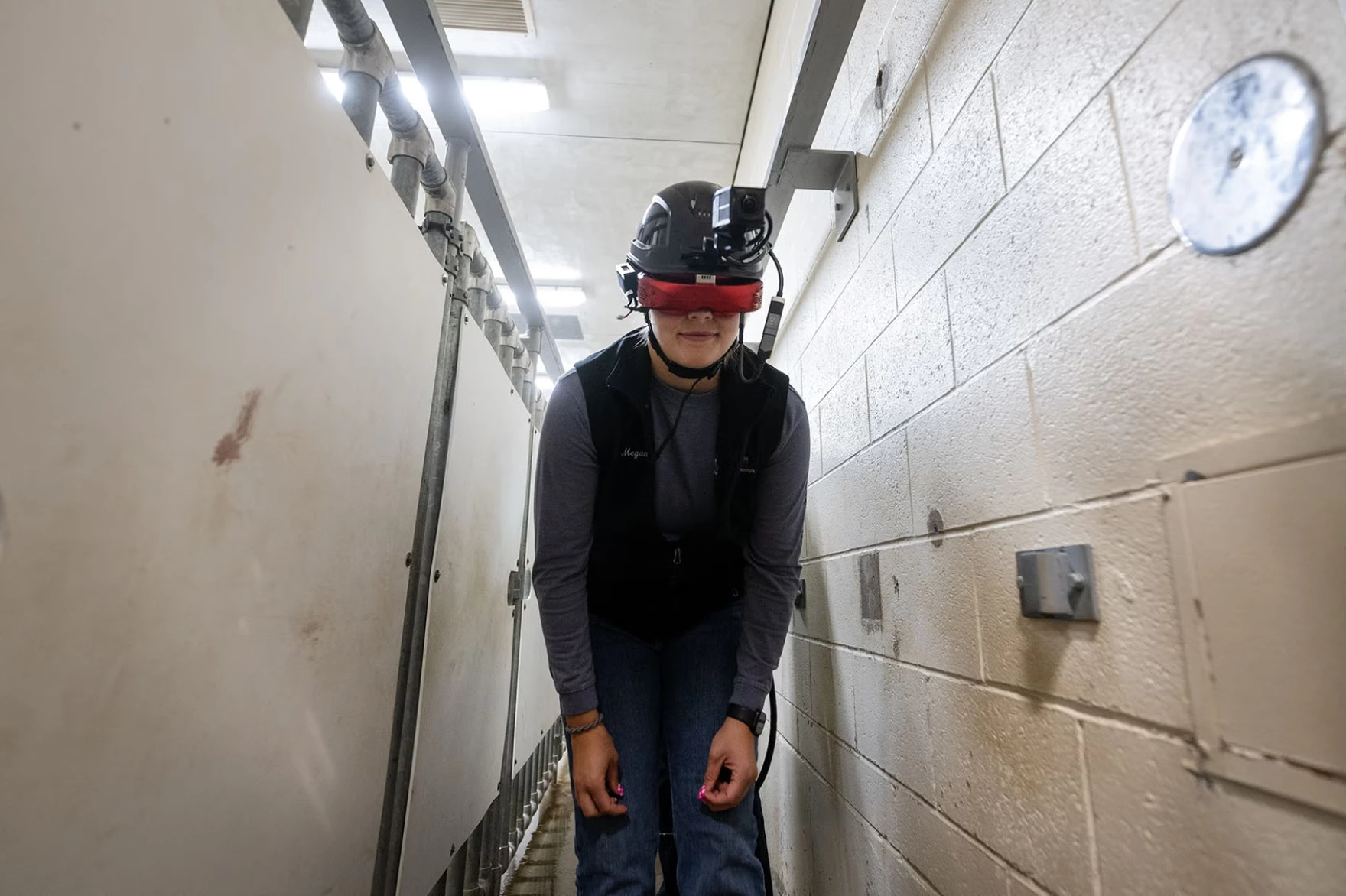
A Wisconsin university is using augmented reality to show staff from meat processing plants and farmers what it’s like to look through the eyes of livestock.

A new partnership between Archer-Daniels-Midland and American Farmland Trust aims to build resilience in farmers.

The Trump administration’s federal workforce cuts shrunk U.S. Department of Agriculture agencies that inspect produce, provide conservation resources and collect data on crops and livestock.

A bipartisan bill would expand the eligibility requirements for applicants.

Alpha-gal syndrome, a tickborne allergy to red meat and dairy, has become more common in the last few years.