
Ag sector alarm bells are going off
There are big warning signs in agriculture right now. And many experts are warning an aid package announced by the Trump administration is not likely to go very far or come soon enough.

There are big warning signs in agriculture right now. And many experts are warning an aid package announced by the Trump administration is not likely to go very far or come soon enough.

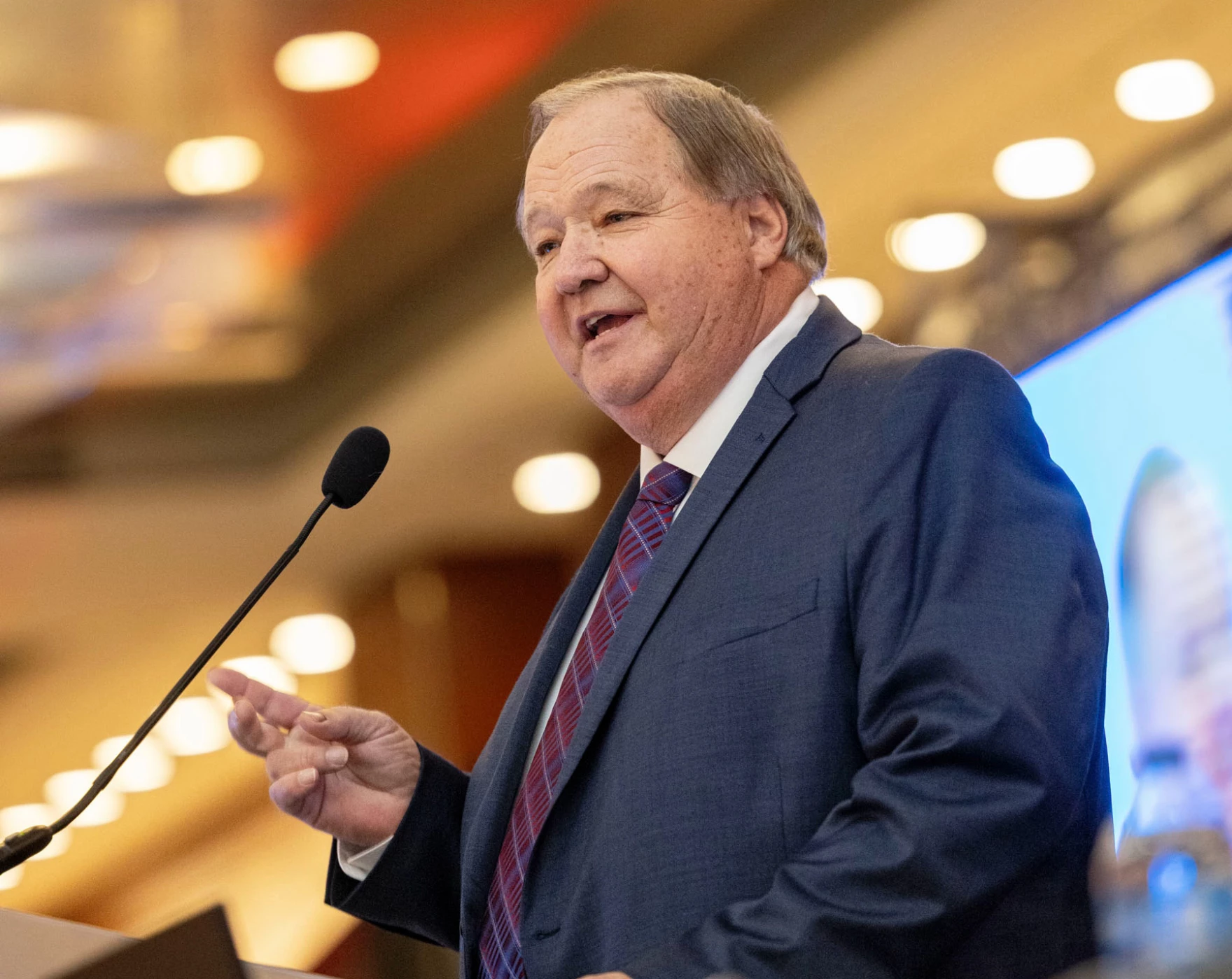
New Illinois Farm Bureau President Philip Nelson said one reason he unseated previous organization head Brian Duncan was a legal dispute with the American Farm Bureau Federation

Most of the package is earmarked for row-crop producers. It aims to help farmers – especially those who grow soybeans – balance out losses from high costs and a trade war with China.

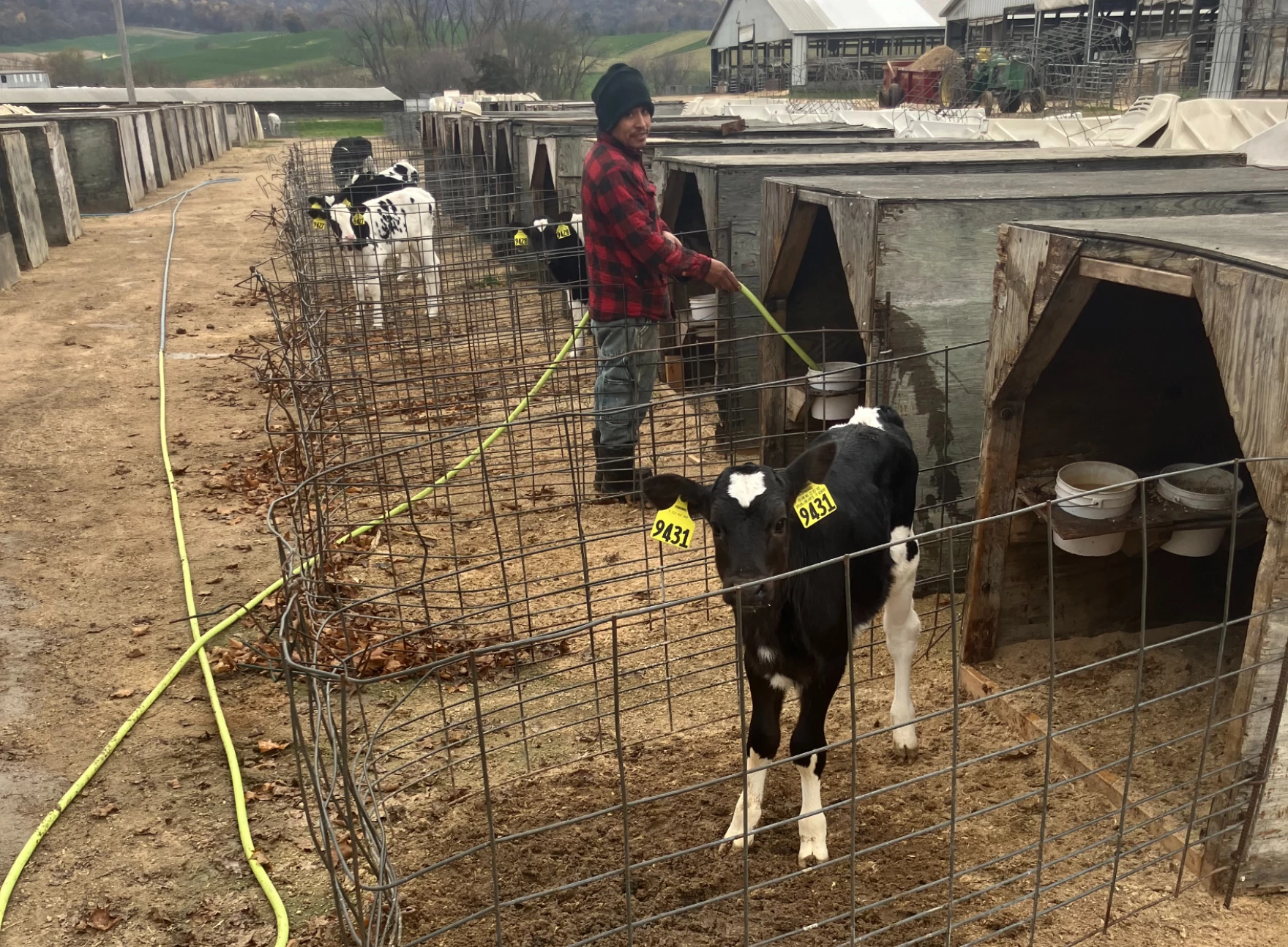
The U.S. agricultural industry depends on undocumented immigrants, but President Trump’s immigration crackdown is further depleting an already tight workforce.

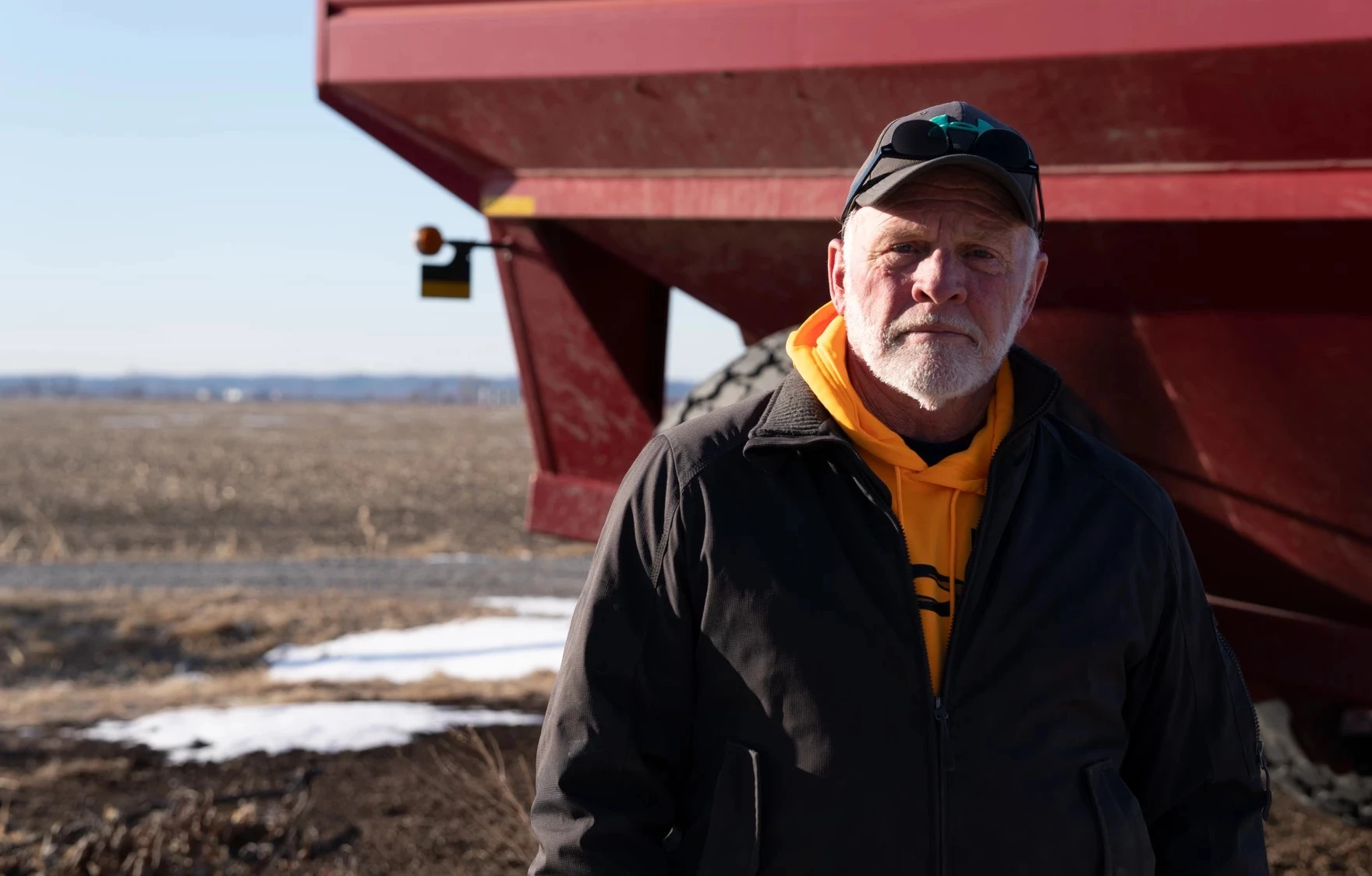
U.S. soybean farmers this fall had faced the grim reality of losing their largest foreign buyer, until President Donald Trump and Chinese President Xi Jinping struck a deal last week.

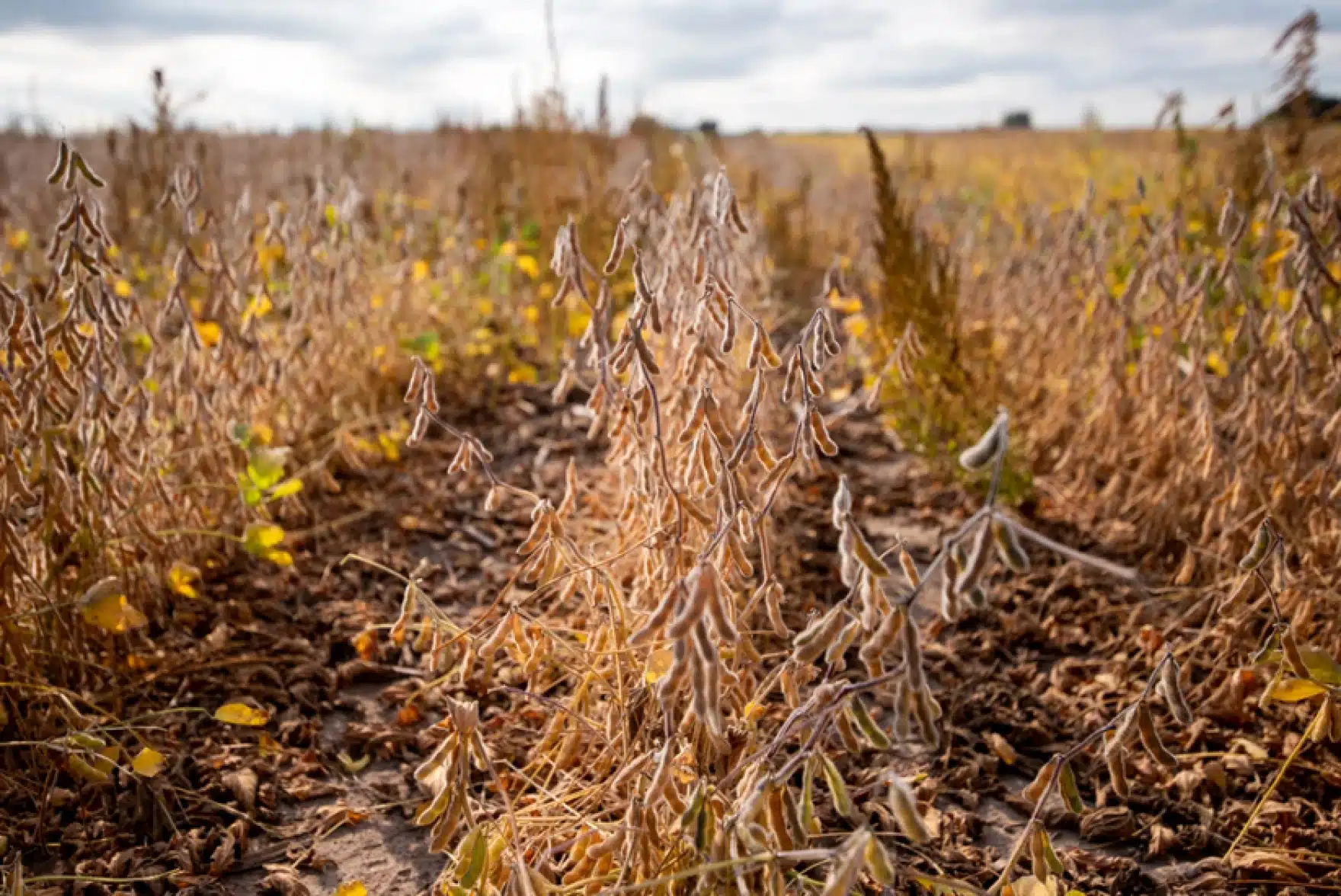
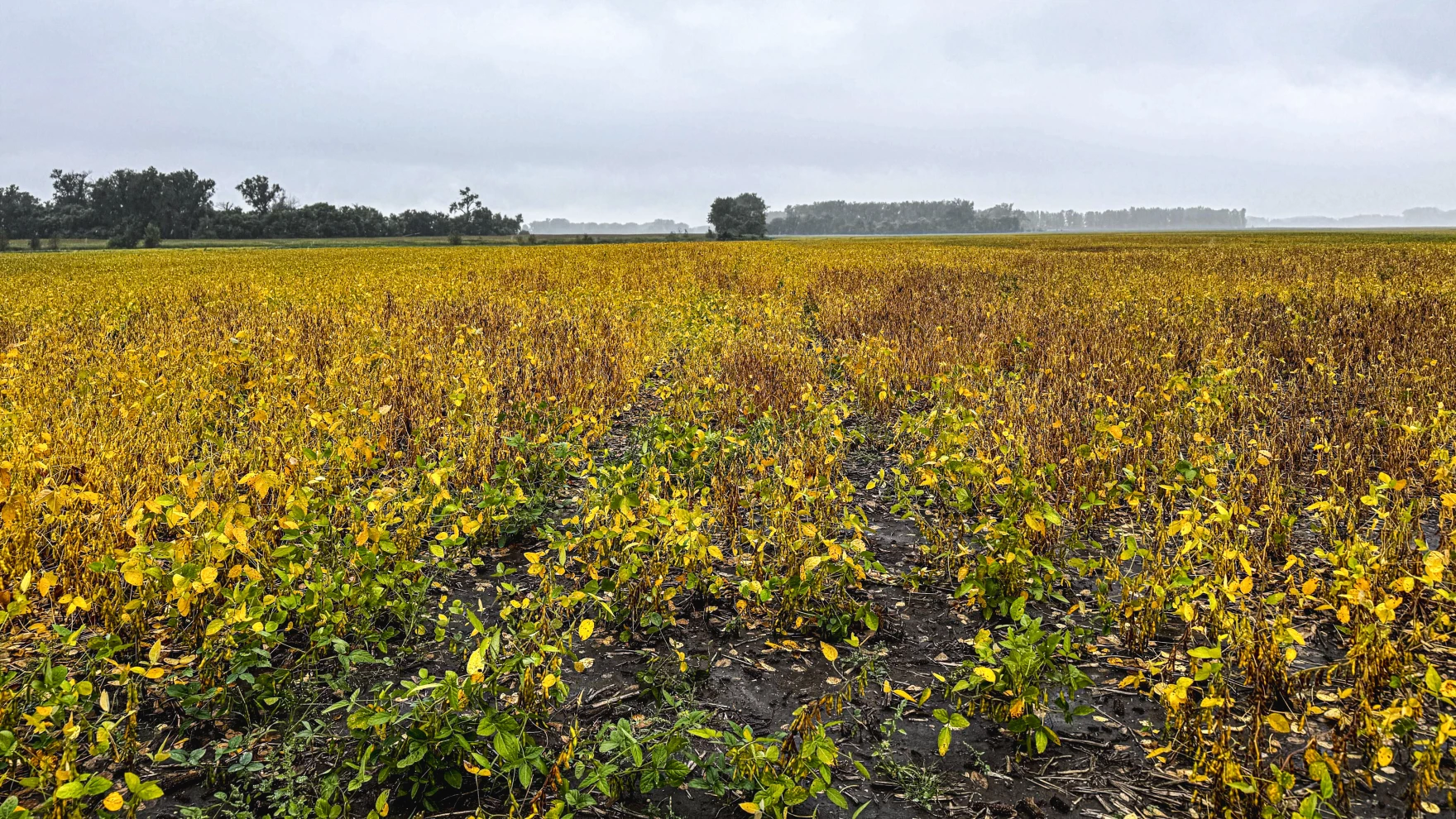
China typically buys close to half of the soybeans grown in the U.S. But the ongoing trade war means farmers in the Midwest must consider other options — and none are as profitable.

Rainfall has been below average in recent months, according to Illinois State Climatologist Trent Ford.

A plan to disburse Washington-based USDA jobs to five hubs, including Kansas City and Indianapolis, is making waves across agriculture. Critics say the shakeup could hobble the agency, while proponents it will move staff closer to farmers and save money.

For more than a decade, Cronus Chemicals has sought to create a fertilizer production facility in East Central Illinois. At the Farm Progress Show in Decatur, the governor announced the company is following through with its $2 billion investment.

Farmers who were promised funding through the federal Regional Food Business Centers have been left in limbo after the Trump administration shut down the program. The U.S. Department of Agriculture says it will honor grants the program already approved, but it’s unclear when.

The massive legislation extends tax cuts and increases safety nets for farmers who grow commodities, like corn, wheat and rice. But deep cuts to federal food assistance spending could hurt specialty growers who benefit from programs like Double Up Food Bucks.

The U.S. Department of Agriculture will no longer take a farmer’s race or gender into consideration for many of its loans and benefit programs.

New World screwworms used to be a constant concern for ranchers, until they were eradicated from the U.S. in the 1960’s. Now that they’re on their way back, those who remember dealing with them have warnings about their impact.

Farmers are planning on putting fewer acres of soybeans in the ground this spring amid retaliatory tariffs from China and higher production costs.

Recently implemented tariffs are likely to push crop prices further down, while increasing the costs for fertilizer and farm equipment.