USDA will no longer track hunger among Americans. That concerns food advocates
People working to address hunger say the canceled report is a main resource to understand where and how people are experiencing food insecurity across the country.


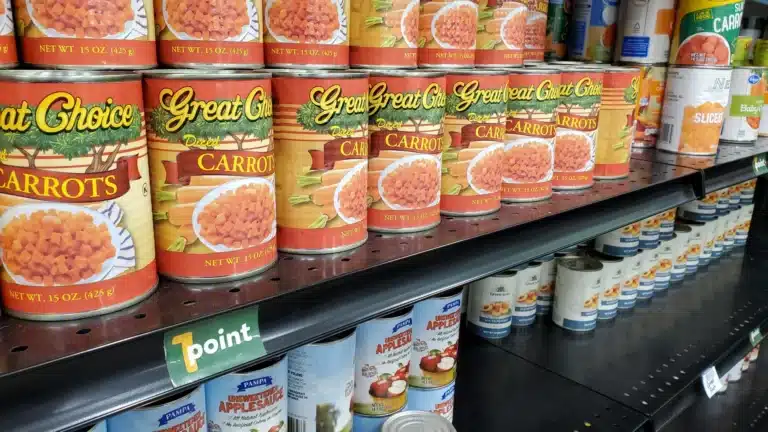
People working to address hunger say the canceled report is a main resource to understand where and how people are experiencing food insecurity across the country.
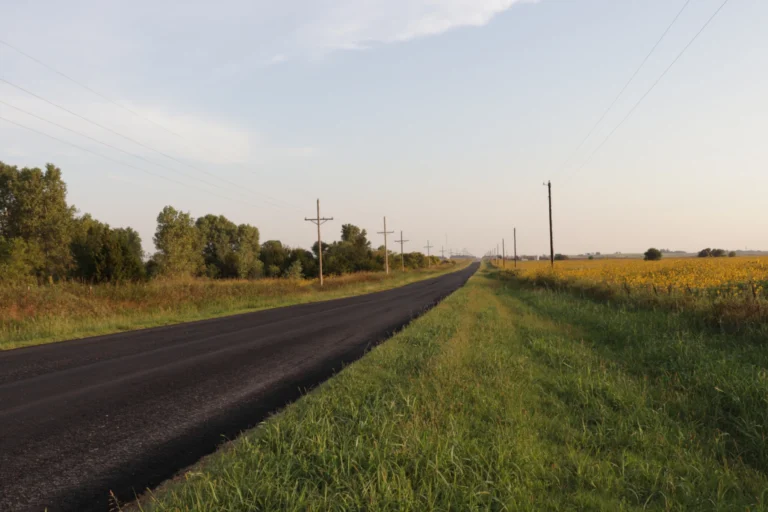
The Broadband, Equity, Access and Deployment – or BEAD – Program is meant to help far-flung places, like Choctaw County, Oklahoma finally get faster internet service.
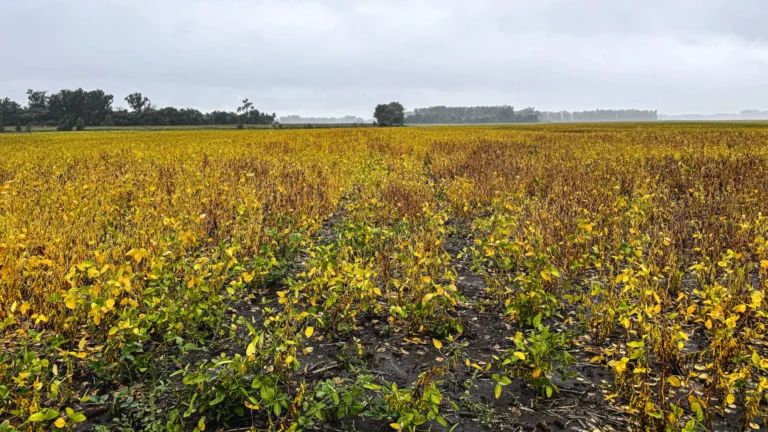
China typically buys close to half of the soybeans grown in the U.S. But the ongoing trade war means farmers in the Midwest must consider other options — and none are as profitable.
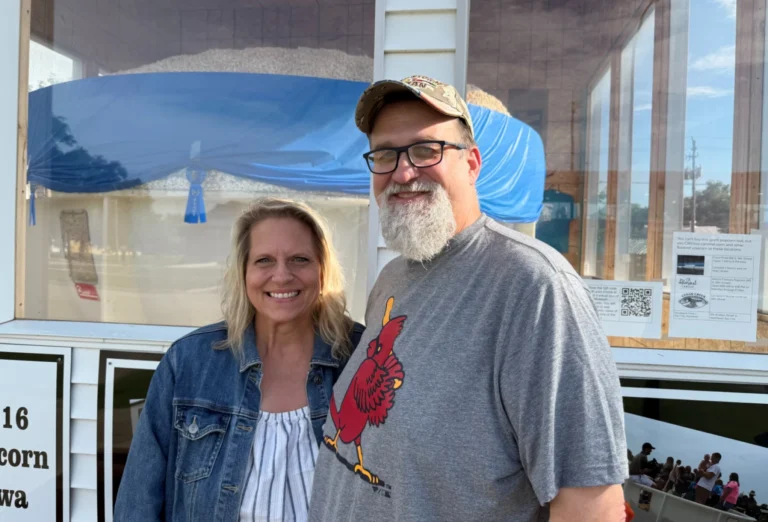
Popcorn festivals and even “popcorn capitals of the world” dot the middle of the country. Yet this ubiquitous snack is grown on fewer than 1,000 farms in the U.S. today.
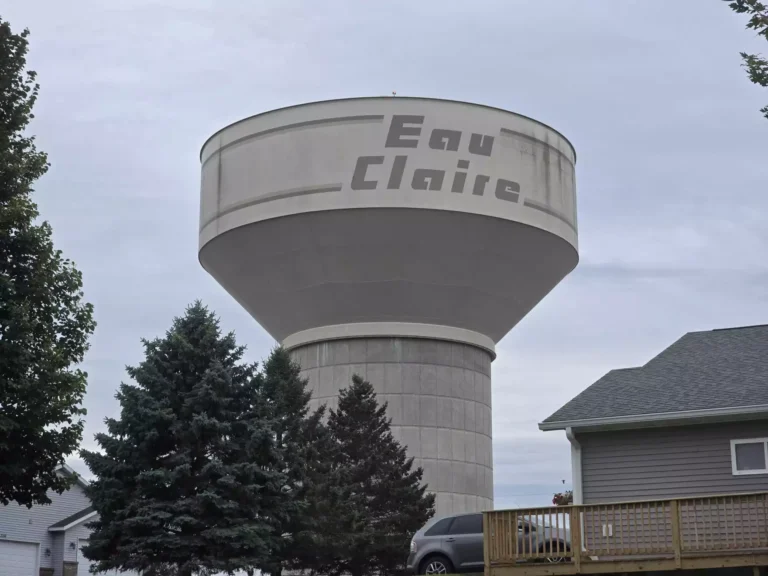
Settlement payments from chemical companies are helping cities pay for expensive PFAS removal technology. But local leaders say the dollars often fall short of covering the full costs to clean up drinking water.
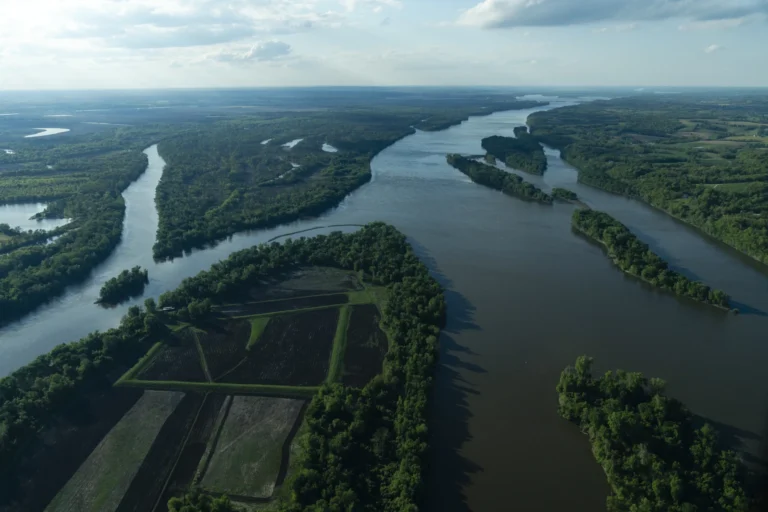
Along with calls for better disaster mitigation programs, the mayors announced a new federal data tool that will compile information on drought, flooding and river levels.

When agricultural economists look at the Outlook for U.S. Agricultural Trade – a quarterly report from the U.S. Department of Agriculture – they expect two parts: data tables and a written analysis explaining those numbers.

Most people think of California for surfing. But surfers can be found from Wisconsin to Texas on lakes, rivers and even man-made water parks.
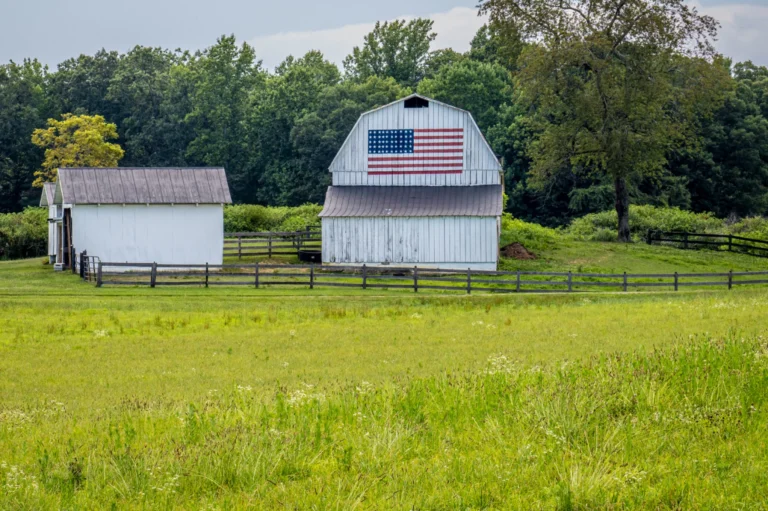
A plan to disburse Washington-based USDA jobs to five hubs, including Kansas City and Indianapolis, is making waves across agriculture. Critics say the shakeup could hobble the agency, while proponents it will move staff closer to farmers and save money.
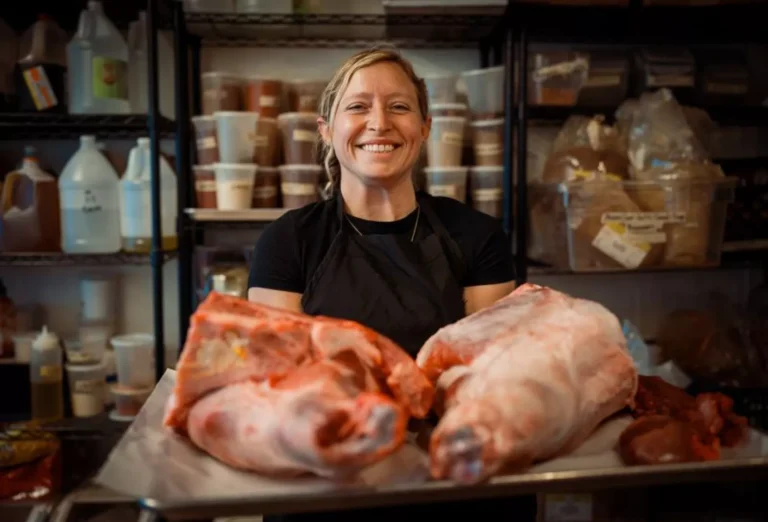
Beef prices have hit record highs, yet American consumers haven’t stopped buying it. A look at what’s behind the steep price increase and when they might come down.

Americans are losing their starry views to light pollution. But some communities are make lighting decisions to help preserve night skies – while benefiting wildlife and human health.
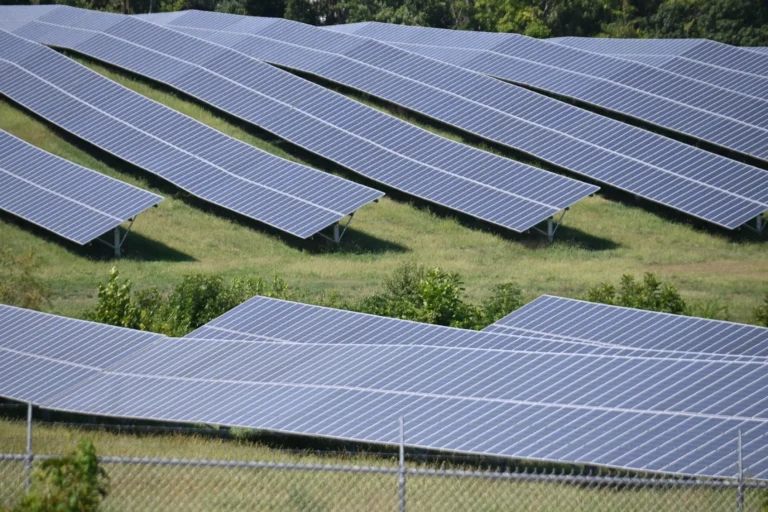
Municipalities and nonprofits across the country may have to abandon planned solar energy projects after the Environmental Protection Agency announced it was terminating a $7 billion grant program to expand solar access.
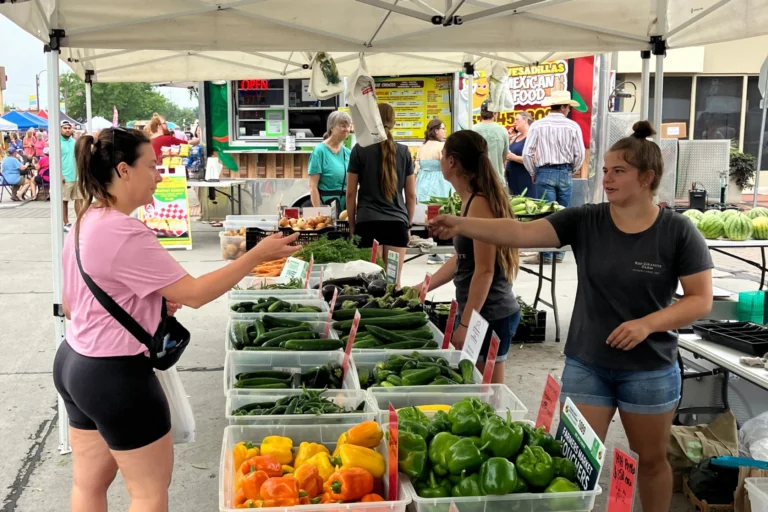
As part of the “Food Routes” series, Harvest Public Media explores three big factors that affect produce prices in the Midwest and Great Plains.
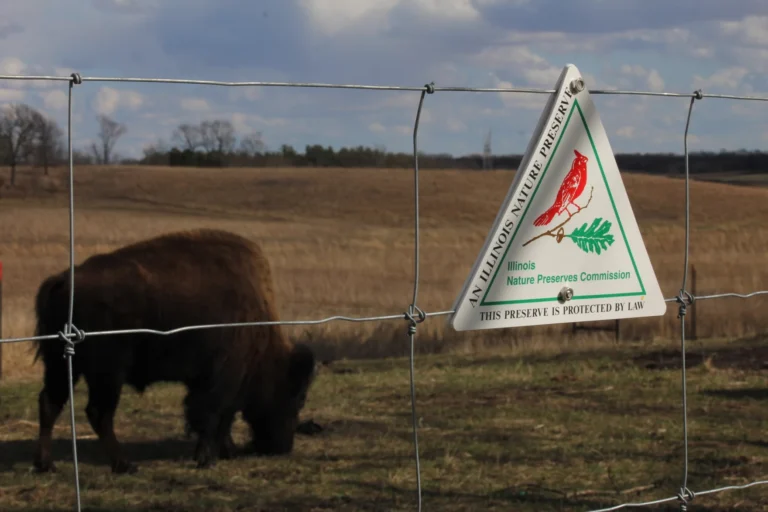
A new law in Illinois formalizes efforts to reintroduce native keystone species like bison and beavers in the state, which advocates say will help other species recover.
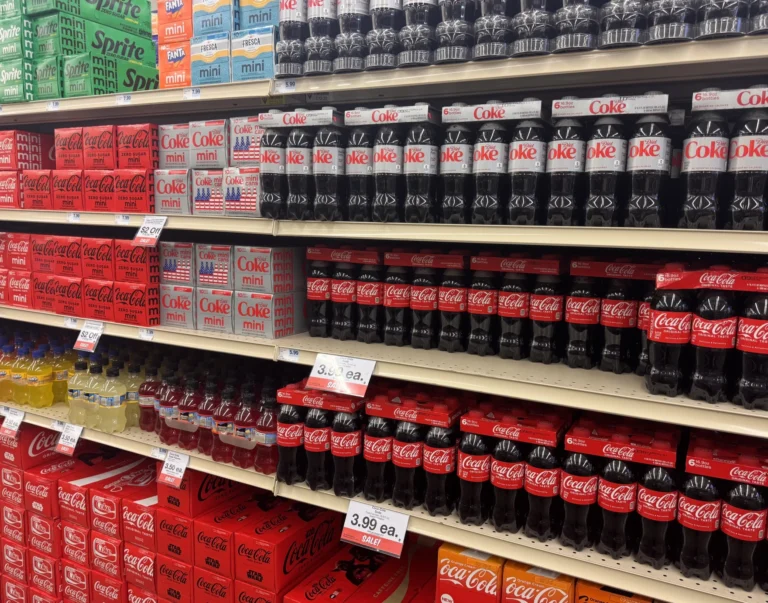
Grocery stores accepting Supplemental Nutrition Assistance Program benefits in 12 states will soon have to accommodate new exclusions to the program.