
Illinois is making ‘rewilding’ an official conservation strategy
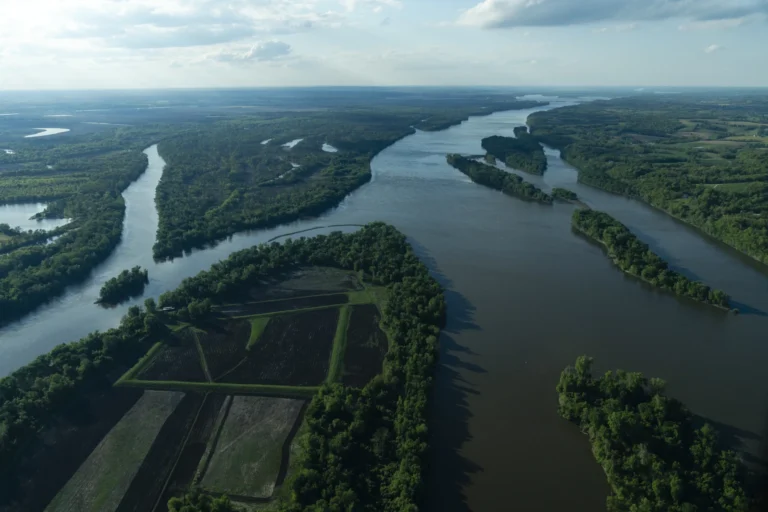
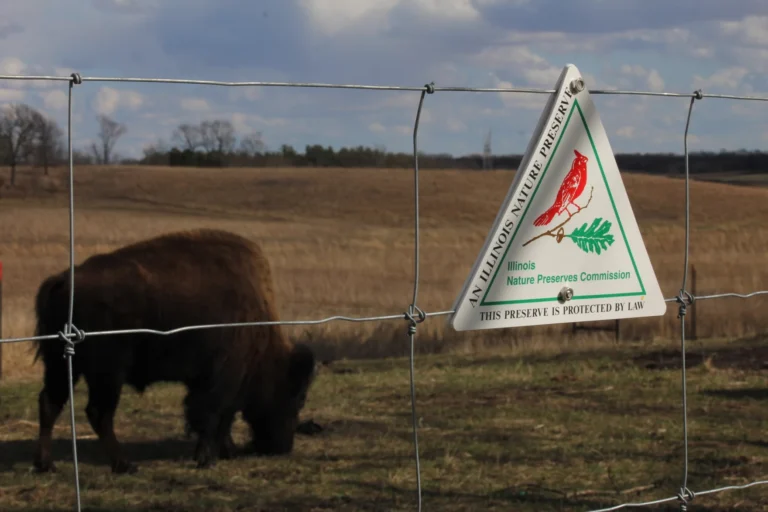
A new law in Illinois formalizes efforts to reintroduce native keystone species like bison and beavers in the state, which advocates say will help other species recover.
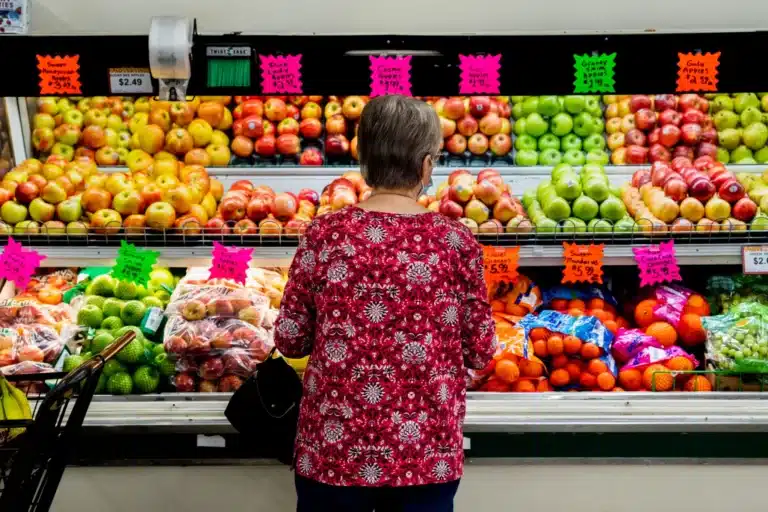
Grocery stores accepting Supplemental Nutrition Assistance Program benefits in 12 states will soon have to accommodate new exclusions to the program.
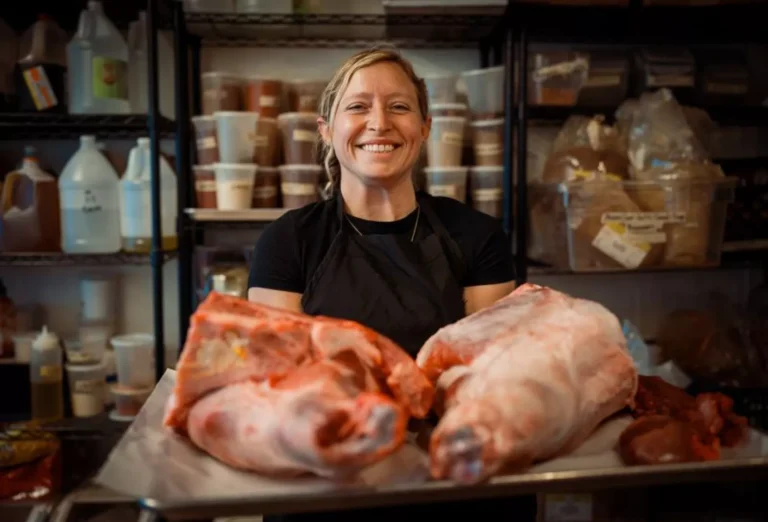
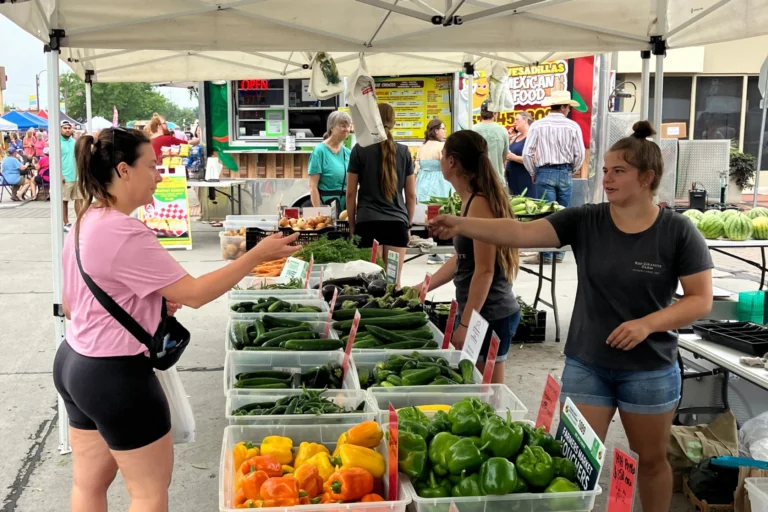
The interest in local food systems, like farmer’s markets and direct farm-to-consumer sales, is on the rise. But the U.S. is still more reliant on imported foods than ever before.
Summer afternoon temperatures have cooled off in the middle of the country in recent decades. But hotter nights and winters are still driving more overall warmth in the region.
Farmers who were promised funding through the federal Regional Food Business Centers have been left in limbo after the Trump administration shut down the program. The U.S. Department of Agriculture says it will honor grants the program already approved, but it’s unclear when.
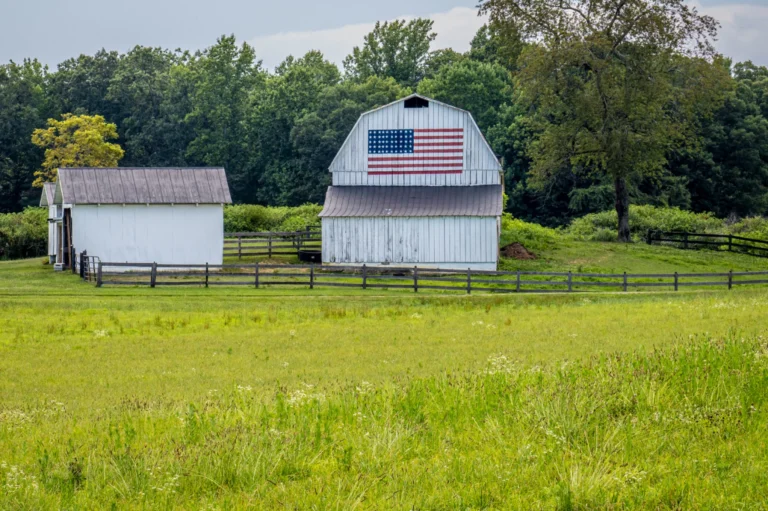
The massive legislation extends tax cuts and increases safety nets for farmers who grow commodities, like corn, wheat and rice. But deep cuts to federal food assistance spending could hurt specialty growers who benefit from programs like Double Up Food Bucks.
Health care leaders worry rural hospitals could be hit hard by Medicaid spending reductions in the “One Big Beautiful Bill Act.” In the Midwest and Great Plains, Oklahoma and Kansas could face the highest risk of hospital closures and service reductions.
The U.S. Department of Agriculture will no longer take a farmer’s race or gender into consideration for many of its loans and benefit programs.
After two years of funding cuts in Illinois, conservation advocates worry that soil health could suffer – and dust storms could become a greater risk.
The National Academies of Sciences, Engineering, and Medicine is developing a framework for assessing drought in a changing climate. It’s a difficult task, as what’s considered drought is often situational.
A massive ice storm hit northern Michigan in late March, knocking down limbs and trees across an estimated 3 million acres. The acres of fallen trees and brush have created concern over invasive species and the looming threat of wildfires.
Lawmakers and officials in support of the new measure say it will cut down on waste and fraud, but food advocates warn it could mean fewer people receiving the benefit.
Across much of the Midwest, the atmosphere is becoming warmer and retaining more water, leading to heavier downpours. A two-crop system called relay intercropping could help farmers buffer weather whiplash and boost profits.
Public health workers, advocates and patients are bracing for what they describe as a perfect storm, which may undo years of progress in HIV treatment and prevention efforts.
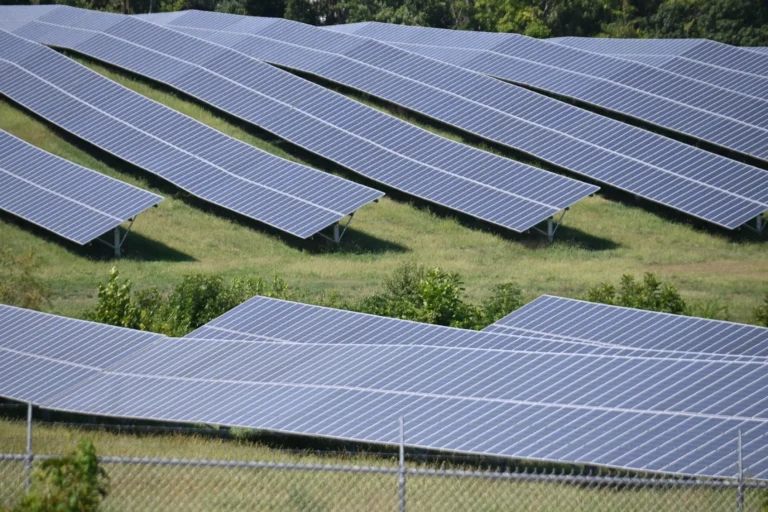
Hydropower accounts for nearly 30% of utility-scale renewable energy in the U.S., but federal hurdles may prevent older hydroelectric plants from staying online and new projects from getting off the ground.