Aging farmers and the government want to save farms, but for many the cost is too high
A federal program promises to pay for farmland preservation. Few landowners are taking advantage.


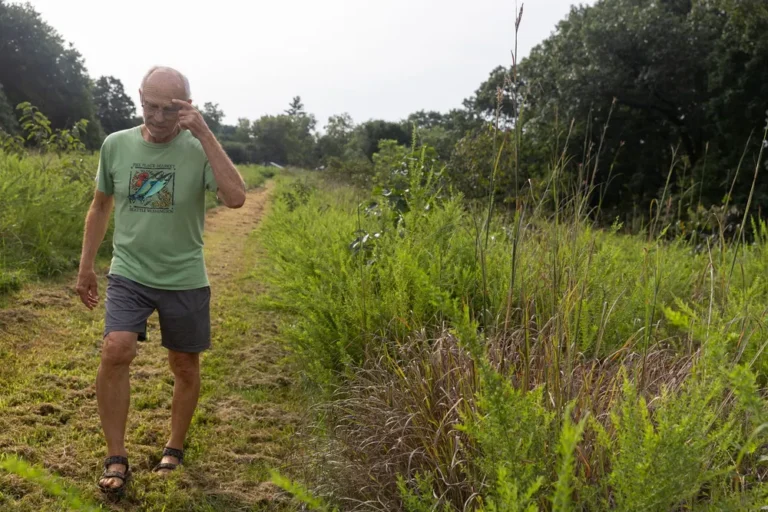
A federal program promises to pay for farmland preservation. Few landowners are taking advantage.
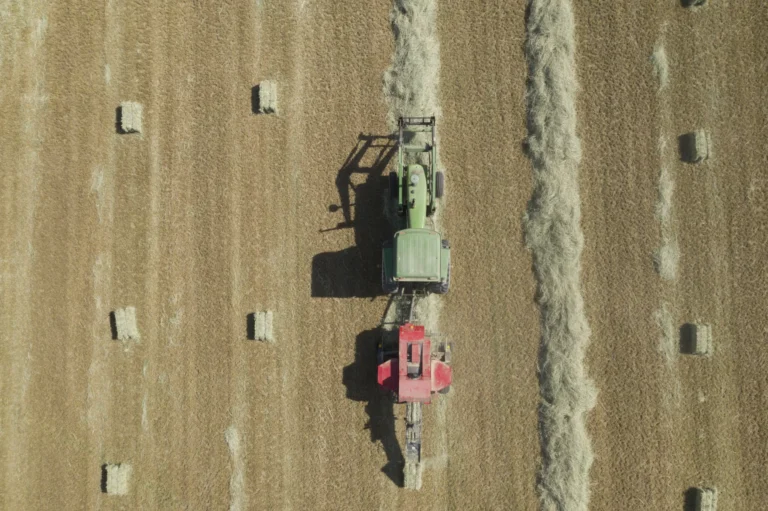
Farmers are cutting less hay this year due to persistent drought, the soaring price of fuel and a new pest. That’s driving up the cost for livestock producers, who often rely on hay to feed their animals during the winter.
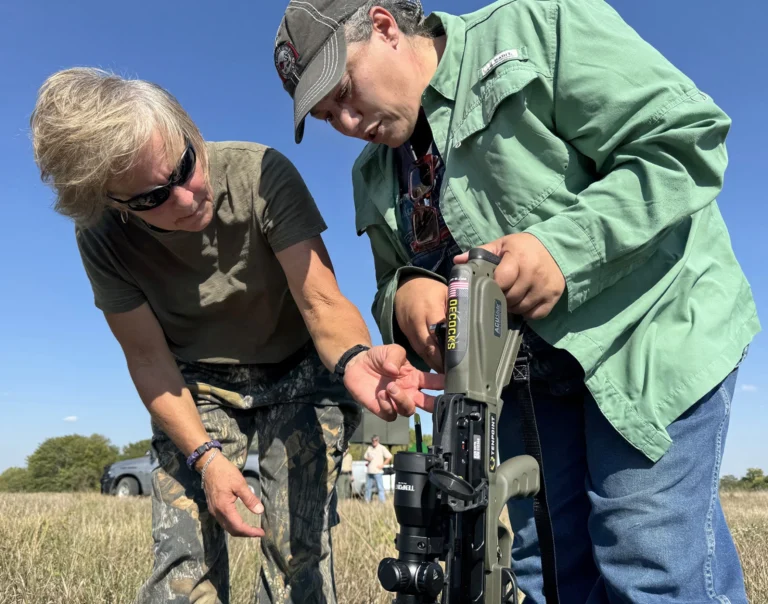
People have harvested wild foods for millennia, but learning how to do it today is harder, because fewer people have those skills. These groups are teaching people to eat “field to fork” again.
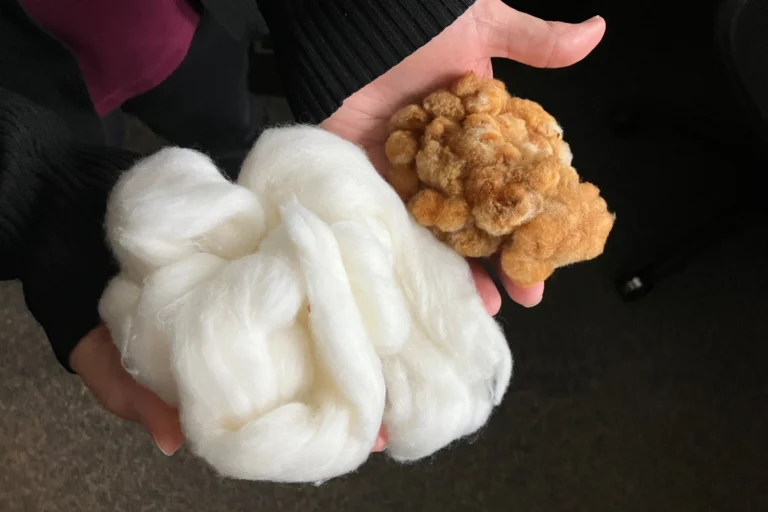
Researchers recently traced the birthplace of the world’s dominant cotton species to the Yucatán Peninsula in Mexico. Their sleuthing also uncovered a treasure trove of genetic diversity in wild populations, which could eventually make the crop more resilient.

Sargento has developed a natural American cheese, hoping to give consumers classic melt without added ingredients.
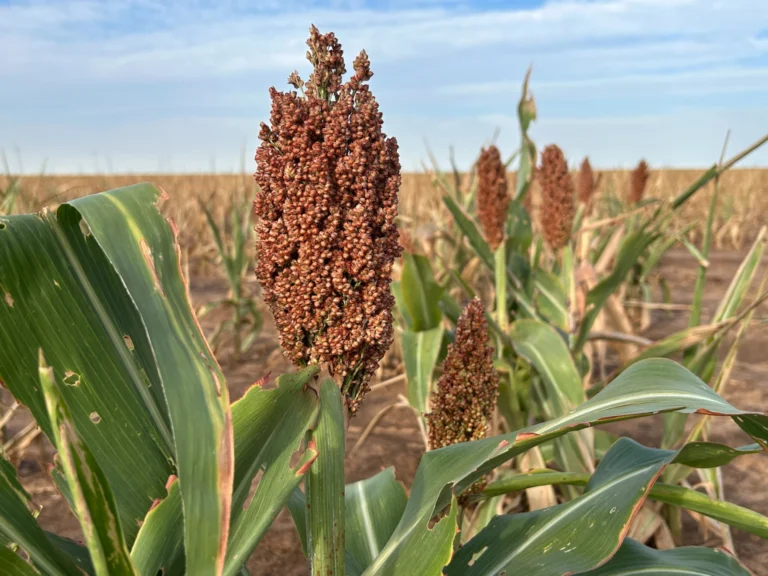
More farmers are showing interest in sorghum, a drought-tolerant grain. The crop is poised to expand in the U.S. – especially if Americans start consuming it.
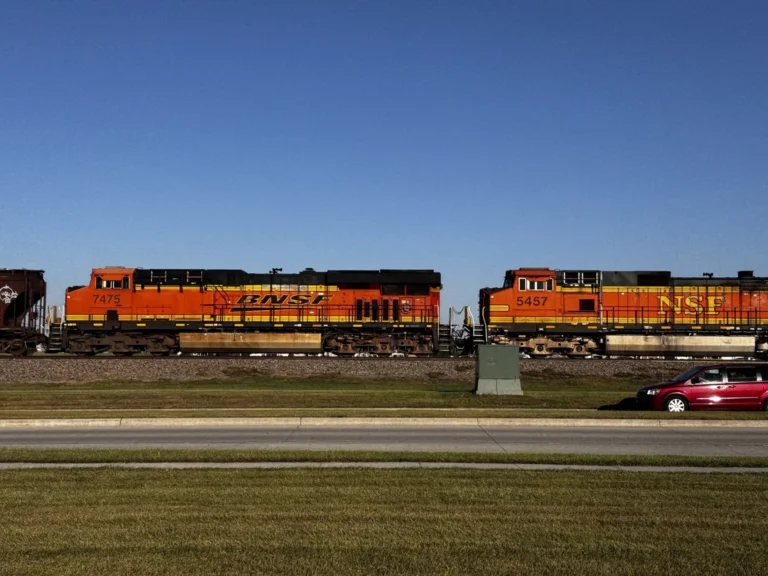
Harvest season is nearing for many farmers. But the railroads that transport their harvested grain have raised their shipping costs with record-high diesel prices. That could mean lower grain prices for growers.
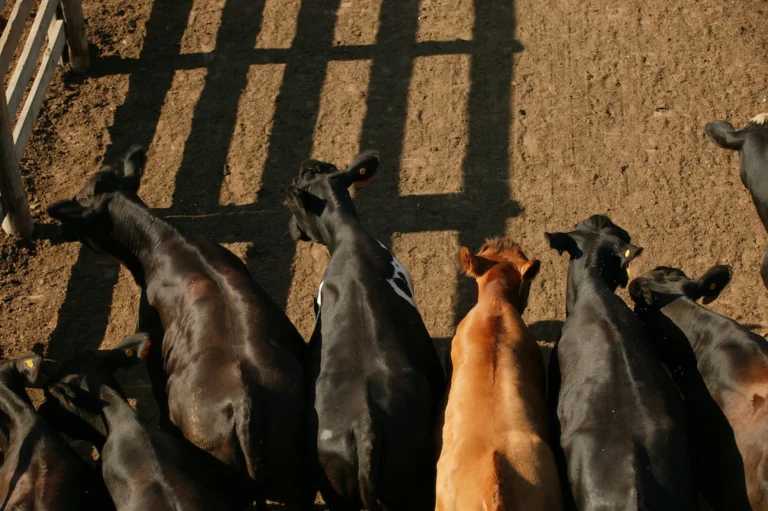
Cattle industry groups in Oklahoma, Kansas and Texas say U.S. Immigration and Customs Enforcement activity is resulting in delays and workforce disruptions.
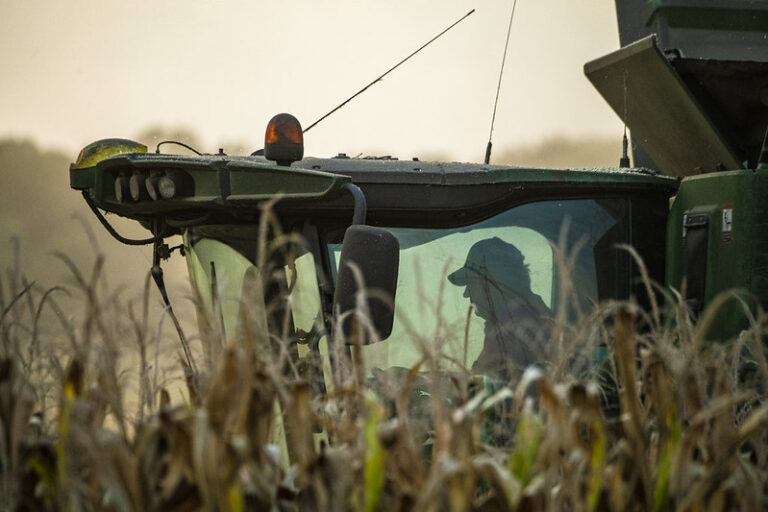
Conflicts in Iran and Russia are causing diesel prices to spike globally. That’s especially hurting U.S. farmers as they head into harvest season, the most fuel intensive period of the agricultural year.
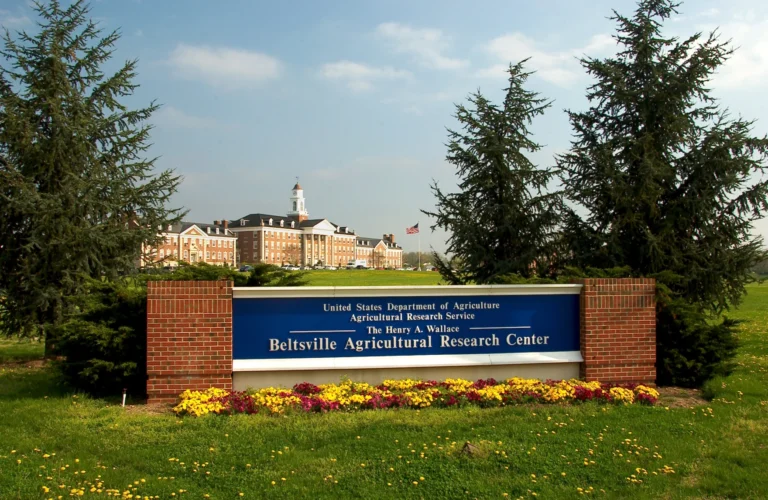
Federal scientists are still scrambling to find new jobs or relocate across the country as Maryland’s Beltsville Agricultural Research Center’s last days of operation approach. Even as their personal lives upend, employees are concerned that BARC’s legacy of impactful research will be left behind.
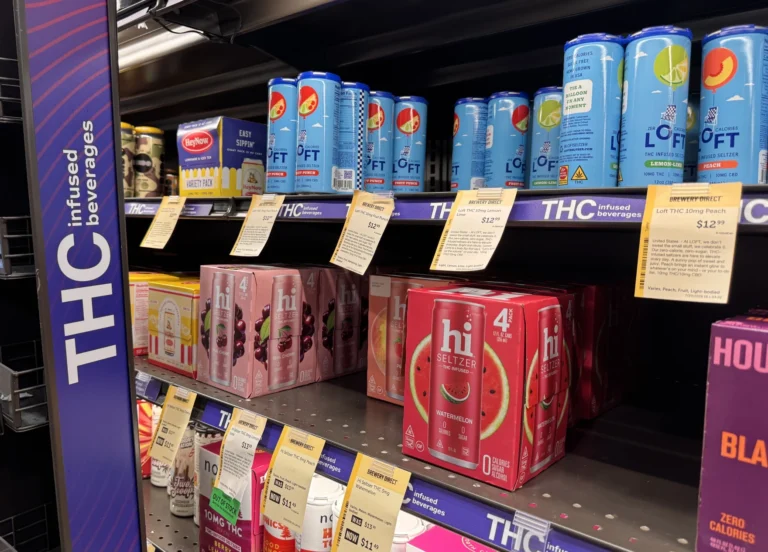
Beginning in December, new federal restrictions will make many hemp products illegal. Businesses in the industry are getting ready to close down most or all of their operations, while advocates hope there’s still time to change course before the ban begins.

After trade talks between the countries fell apart last month, the Trump administration and Canada’s leaders have rolled out new tariffs on everything from dairy products to machinery.
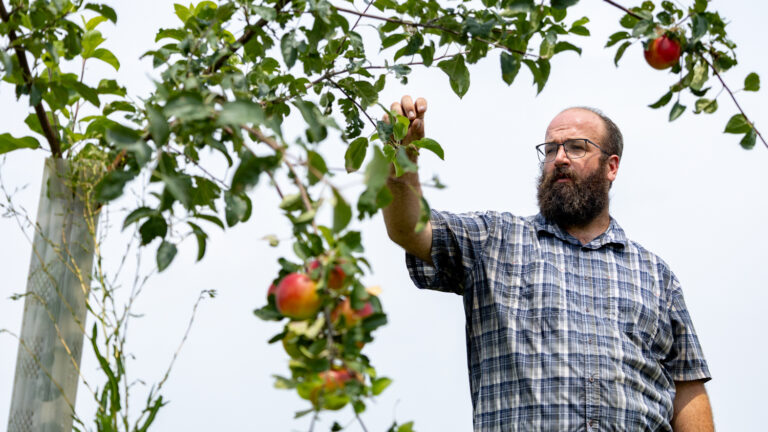
The Natural Resources Conservation Service lost nearly a quarter of its staff nationwide in 2025 after the Trump administration’s cuts to the federal government. Many were local experts that help farmers with soil and water conservation efforts.
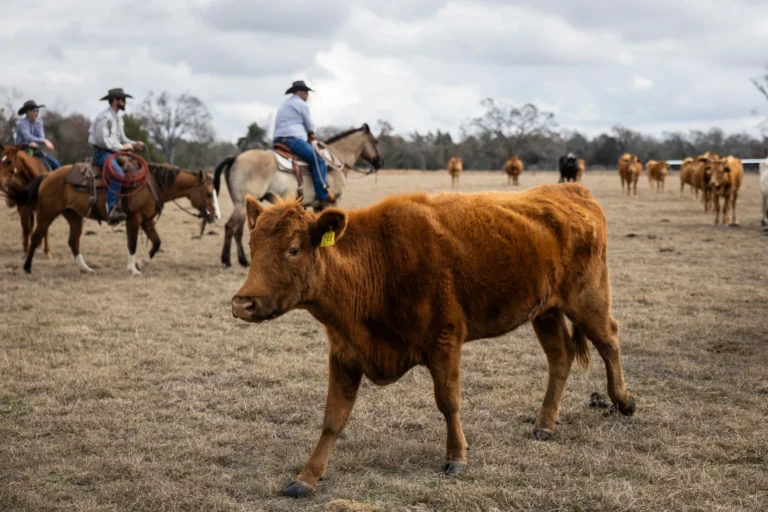
The Trump administration has tried to lower beef prices for months, but demand, drought and a parasite have foiled its efforts.
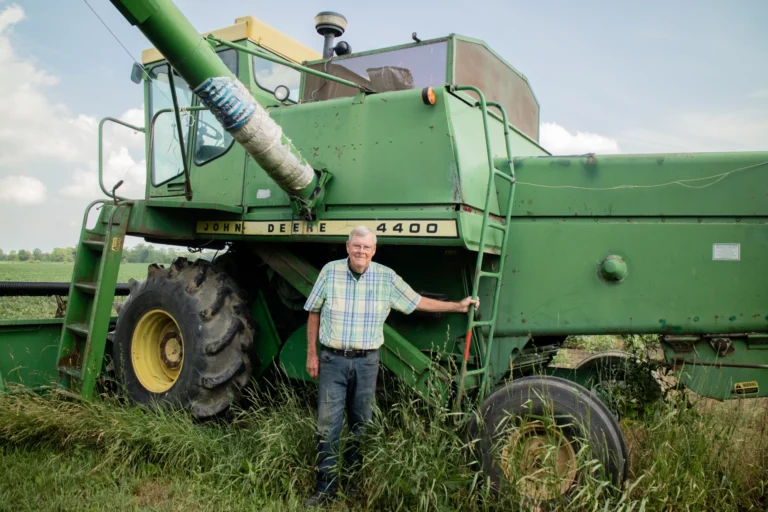
More farmers are opting to repair old tractors, combines and other machinery instead of buying new upgrades. A tough farm economy and historically-high equipment prices are at least partly to blame.