
Decatur undertaking study of water sources with an eye on economic development
Decatur’s main source of water is Lake Decatur, but residents rely on the Mahomet Aquifer during droughts.


Decatur’s main source of water is Lake Decatur, but residents rely on the Mahomet Aquifer during droughts.
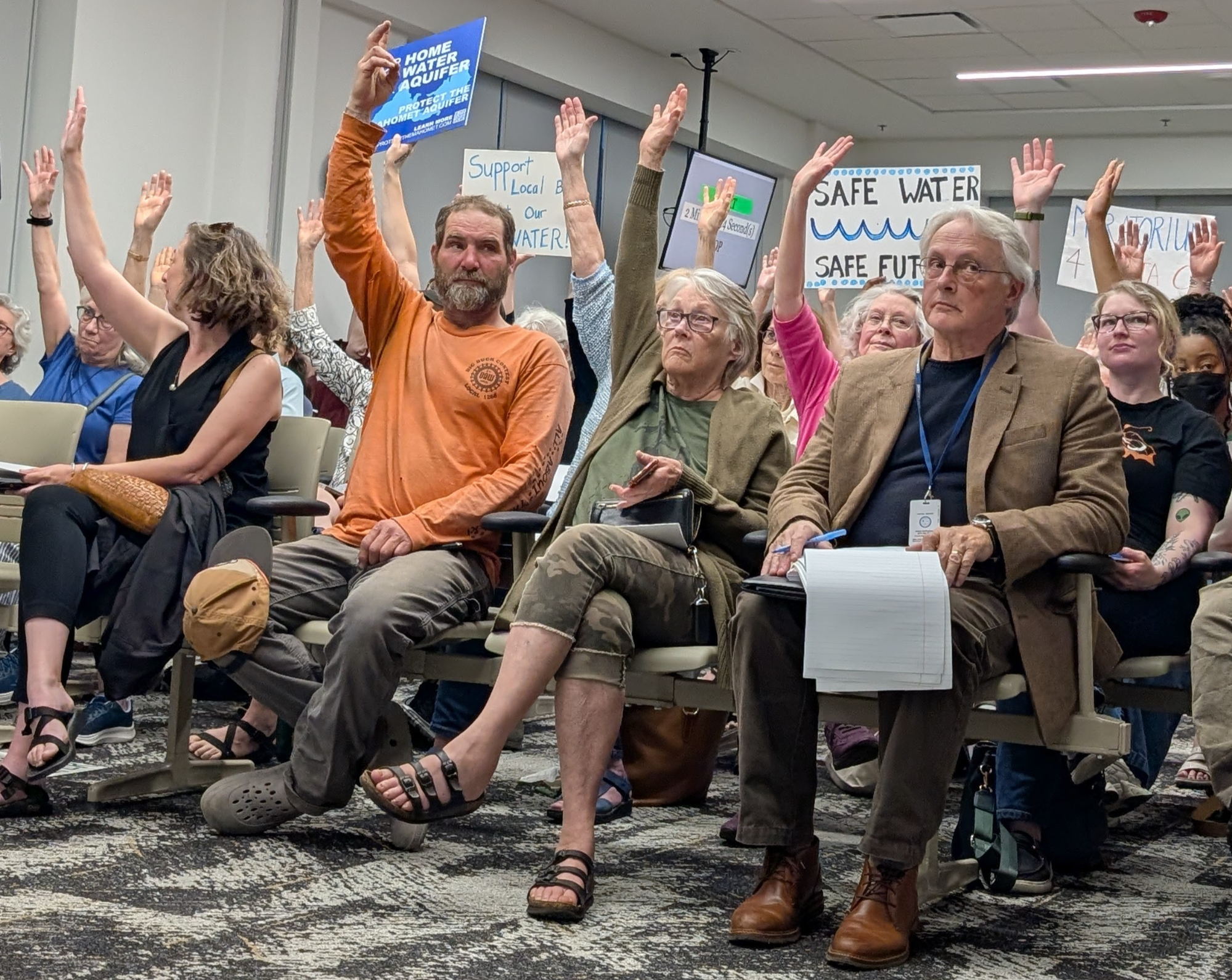
Development of large-scale data centers is booming across the Midwest and South. As some communities push back, local and state governments are trying to catch up on how to regulate the new development.

The Champaign County Carbon Sequestration Activities Task Force wrapped up its work Wednesday night, submitting final recommendations to the county.

State lawmakers in Springfield are debating how to regulate data centers as proposals for new facilities spark concerns over their impact on utility costs and water reservoirs.

Lawmakers from both parties argue the centers pose a significant threat to Illinois’ power grid and freshwater sources like the Mahomet Aquifer, but they are offering different visions for how to regulate the industry.

Alongside education funding, Faraci said he remains focused on environmental protections for the Mahomet Aquifer, the primary drinking water source for nearly one million people in Central Illinois.

The measure had dozens of co-sponsors, mostly Chicago area Democrats and lawmakers from both parties in the central and east-central Illinois region where the Mahomet Aquifer is the primary source for drinking water.

Carbon sequestration’s use is expanding on a large, commercial scale. Here’s what experts say people need to know about the controversial technology.

The bill comes after recent leaks at a carbon injection site in Decatur.

Over the last few years, environmental groups and others in Central Illinois have raised concerns about the region’s water potentially becoming contaminated by an emerging technology that’s intended to reduce the harm caused by greenhouse gas emissions.

Legislation was proposed after a pair of leaks at an ADM injection site near Decatur An Illinois Senate committee hit pause on a bill to ban carbon sequestration injections near aquifers after more than an hour of debate Wednesday. Senate President Don Harmon, D-Oak Park, asked that the Senate Executive Committee to wait to act
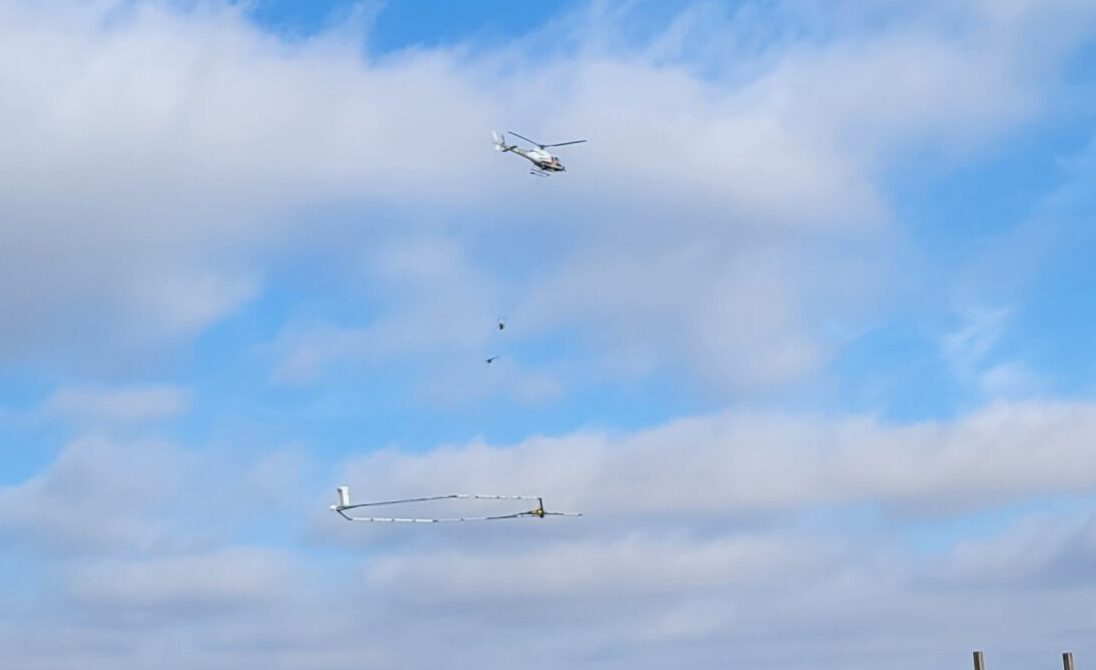
During several days last week, a helicopter hauling a huge antenna flew at low altitudes over rural Champaign County. The antenna sent electromagnetic waves into the ground about 100 feet below, where they bounced off of underground rock and sediment formations, and were picked up by sensors mounted on the antenna’s frame. In this way

MAHOMET — Two Champaign County residents affected by the Peoples Gas methane leak have filed the first class action lawsuit related to the incident. Meanwhile, Peoples Gas continues to maintain that methane levels at affected wells do not pose a danger. The lawsuit covers potentially thousands of people who live in rural Mahomet and Fisher.

UPDATE: Gov. JB Pritzker signed SB 2515, creating the Mahomet Aquifer Council, on Friday, August 13. Original article: URBANA – A bill to create a permanent advisory council to study the Mahomet Aquifer is moving through the Illinois General Assembly. The bill (SB2515) passed the Illinois Senate on a vote of 56-0 last week and now