

DECATUR – Decatur City Council approved a plan at their October 19 meeting to study all the city’s water sources.
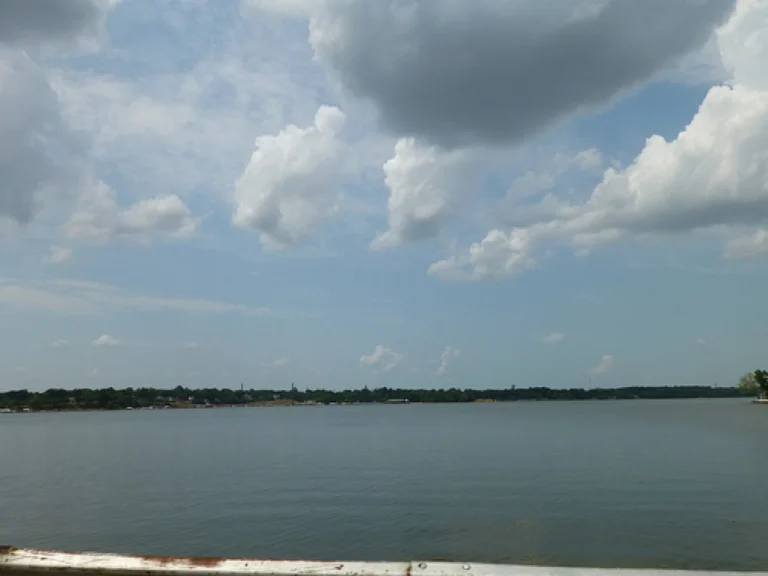
The city’s main source of water is Lake Decatur, according to Water Production Manager Robert Weil. But during times of drought, the lake’s levels start to drop.
“1988 was a particularly bad drought, and in response to that drought, the city leaders at the time said, ‘We need to do something different,” Weil said. “So, they went out and bought this land in DeWitt County in a very deep part of the Mahomet Aquifer.”
When Lake Decatur is low, the city now relies on this wellfield fed by the Mahomet Aquifer, Weil said.
“We want to figure out what the sustainable yield is, without causing impacts to others.”
During last year’s drought, the city pumped 456 million gallons from the DeWitt wellfield, according to a memo from the city’s public works department. Lake Decatur would have been four inches lower during the drought without the use of the wellfield.
Even then, the city asked residents to conserve water in November 2025 due to the drought, including limiting running washing machines and dishwashers, prohibiting pre-serving water at restaurants unless requested and asking residents to take short showers instead of baths.
The city also owns a reservoir and a former sand and gravel mine near Harristown that could be a future source of water, Weil said.
“We tend to see water as an economic development tool and we try to attract industry based on water availability.”
Sixty percent of the city’s water use is from corn and soy milling, according to Weil.
“We want to make sure that we have enough water to grow.”
The study – conducted by the Illinois State Water Survey – will look at the yield, cost and community impact of the water sources and should be completed by May.
“We want to be good neighbors to our immediate neighbors as well as all the people that depend on these water supplies,” Weil said.
City council unanimously approved the $72,948 contract with the University of Illinois Board of Trustees.