Ag sector alarm bells are going off
There are big warning signs in agriculture right now. And many experts are warning an aid package announced by the Trump administration is not likely to go very far or come soon enough.


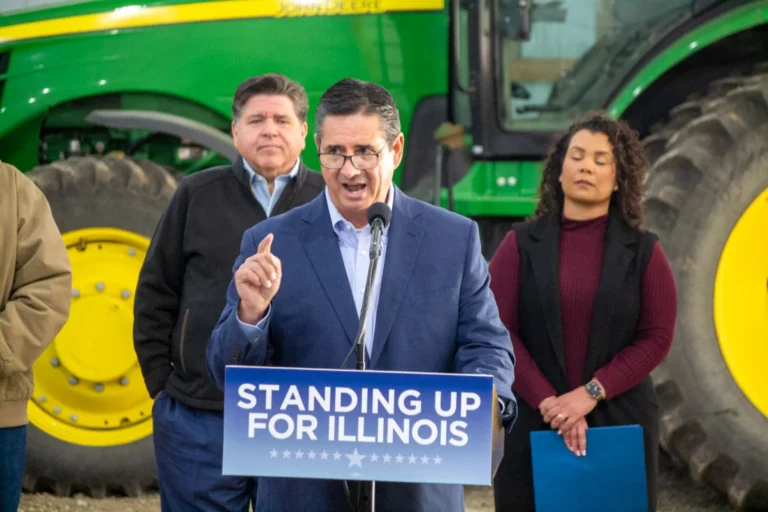
There are big warning signs in agriculture right now. And many experts are warning an aid package announced by the Trump administration is not likely to go very far or come soon enough.
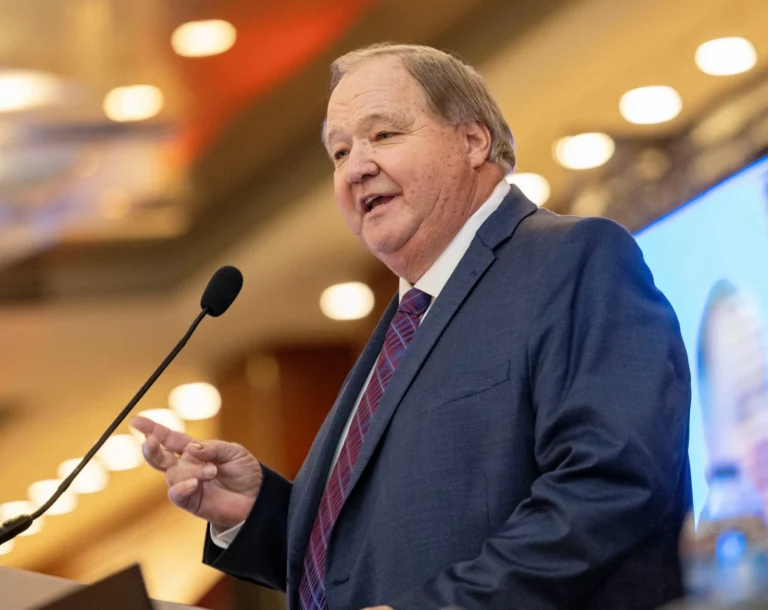
New Illinois Farm Bureau President Philip Nelson said one reason he unseated previous organization head Brian Duncan was a legal dispute with the American Farm Bureau Federation
At the IFB annual meeting in Chicago, nearly 57% of the delegates chose Philip Nelson from Seneca, a former IFB president and state agriculture director, as the organization’s 17th president.
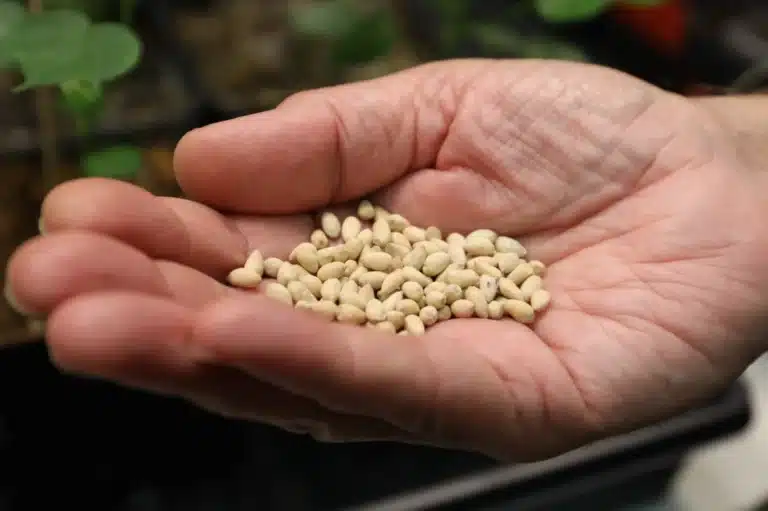
Cottonseeds could help reduce hunger and add new revenue for farmers. One researcher has been working for decades to make edible seeds a reality.
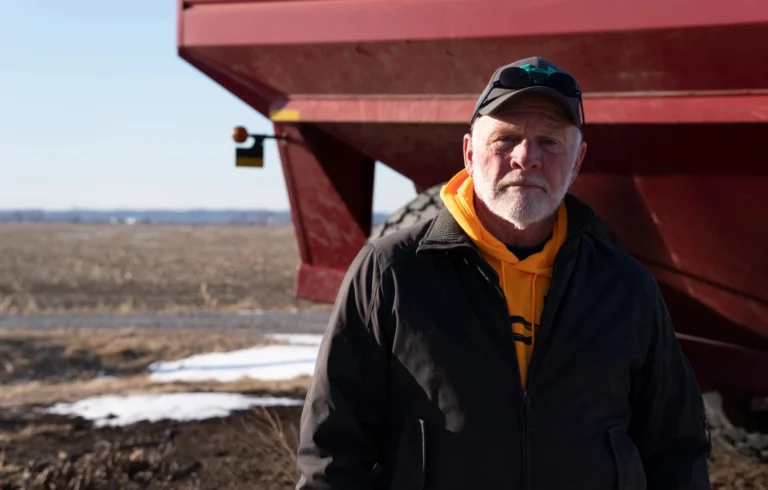
Most of the package is earmarked for row-crop producers. It aims to help farmers – especially those who grow soybeans – balance out losses from high costs and a trade war with China.
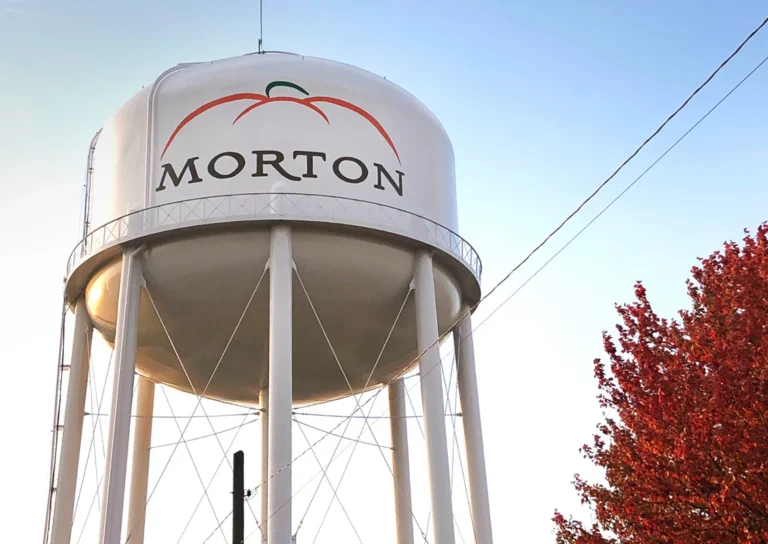
The pumpkin pie Americans enjoy each Thanksgiving often comes from pumpkins grown near Morton, Illinois.
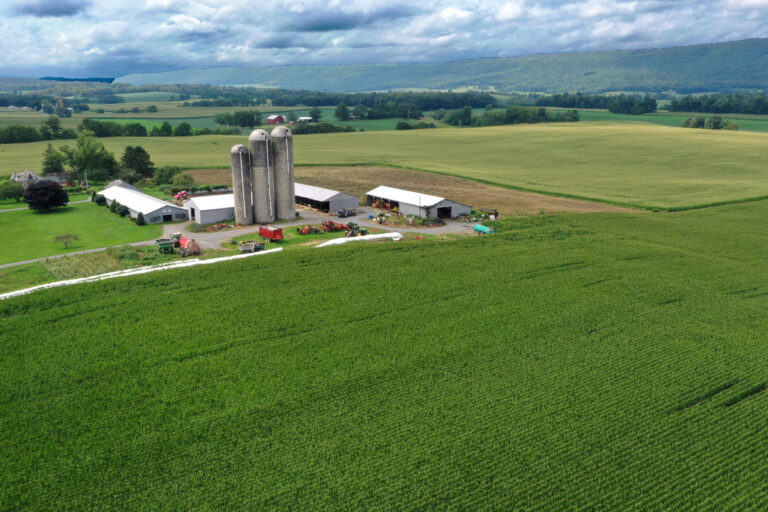
OMAHA, Neb. — New data the Agriculture Department released Friday created serious doubts about whether China will really buy millions of bushels of American soybeans like the Trump administration touted last month after a high-stakes meeting between President Donald Trump and Chinese leader Xi Jinping. The USDA report released after the government reopened showed only two Chinese…
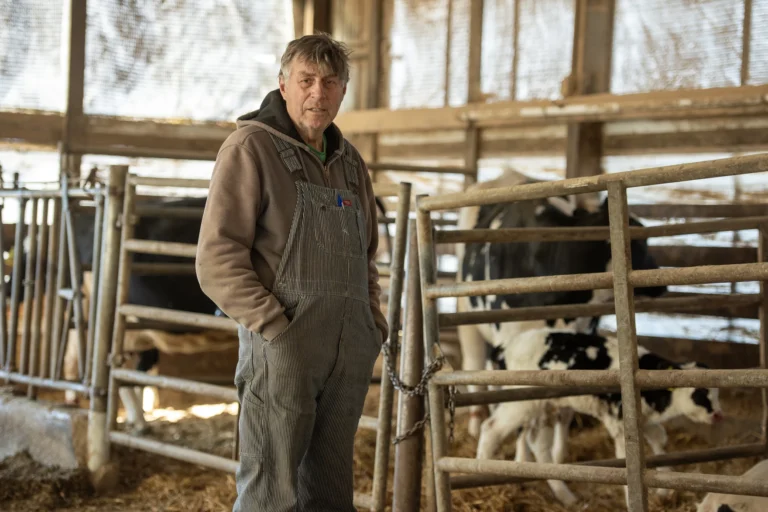
The U.S. agricultural industry depends on undocumented immigrants, but President Trump’s immigration crackdown is further depleting an already tight workforce.
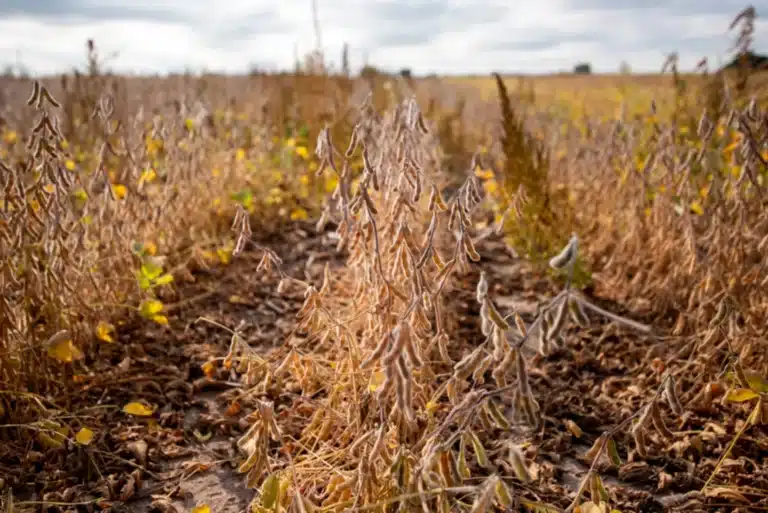
U.S. soybean farmers this fall had faced the grim reality of losing their largest foreign buyer, until President Donald Trump and Chinese President Xi Jinping struck a deal last week.
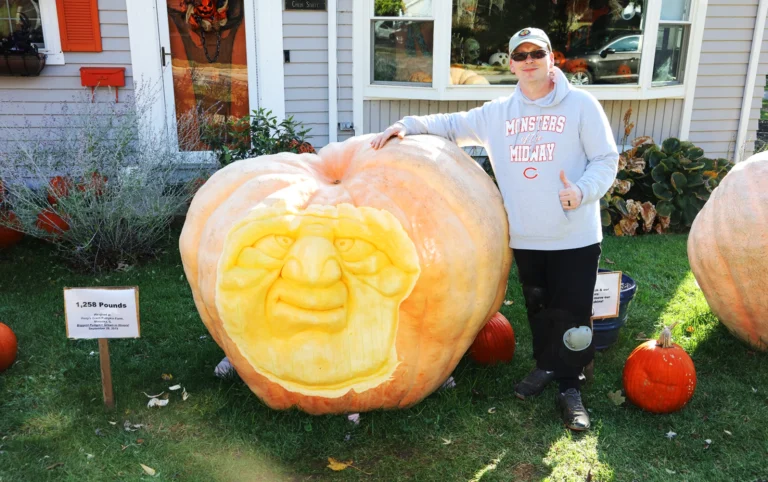
Giant pumpkins can top the scales at more than 2,000 pounds – and caring for these behemoths is often a full-time job. But for some growers in the central U.S., the dream of raising a world record-setting pumpkin is a tantalizing prospect.
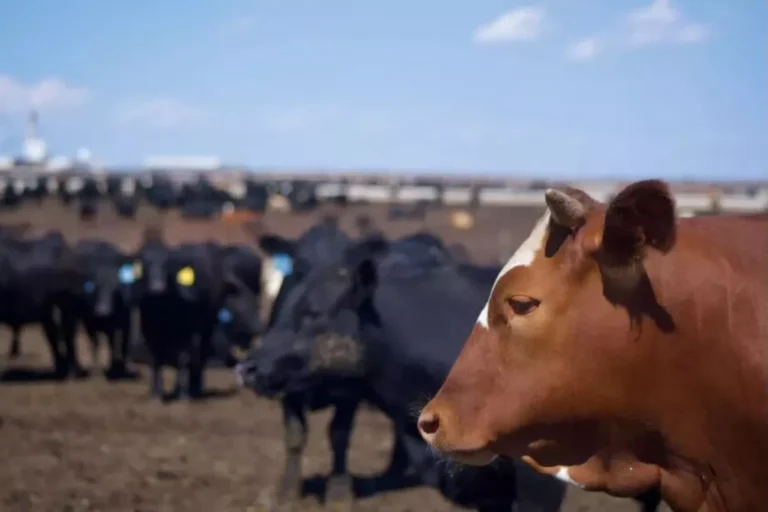
Ranchers, lawmakers and farmers’ unions are sounding the alarm over a Trump administration plan to increase beef imports from Argentina.
The USDA said each Farm Service Agency office will have two workers who will be paid even though the government remains shutdown. These offices help farmers apply for farm loans, crop insurance, disaster aid and other programs.

Farmers rely on the Mississippi River to ship grain and bring them imported fertilizer and other critical inputs. But another year of low river levels means barge travel will be more expensive.
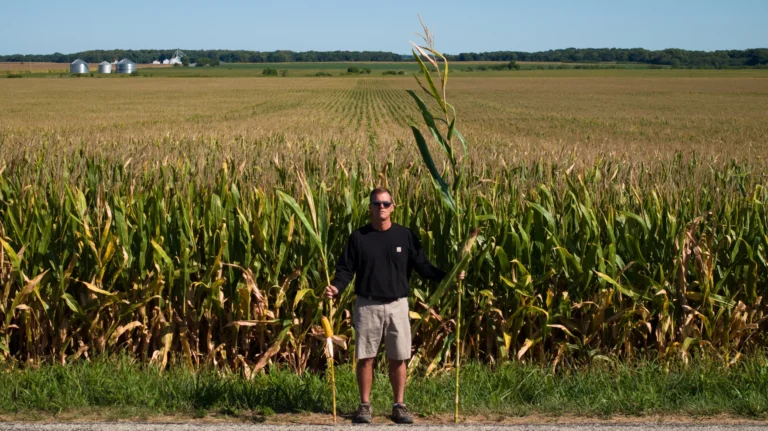
Scientists and seed companies are working on shrinking corn. The subtle difference in height has led to some big changes in how shorter corn can be planted and managed in the Corn Belt.
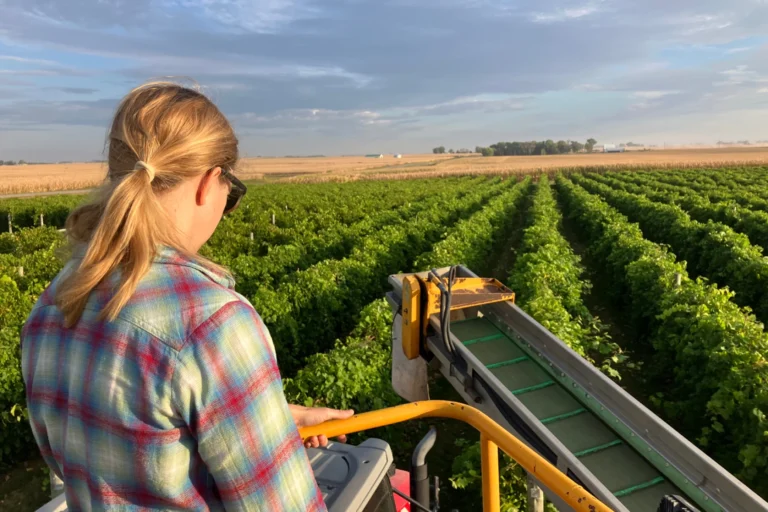
The American Heartland has experienced a boom in wineries over the last three decades. But with U.S. wine sales trending down since 2019, some producers are feeling the effects more than others.