
-
-
Agriculture | Economy | Health
Bird flu outbreaks made egg prices more expensive. Here’s what to know
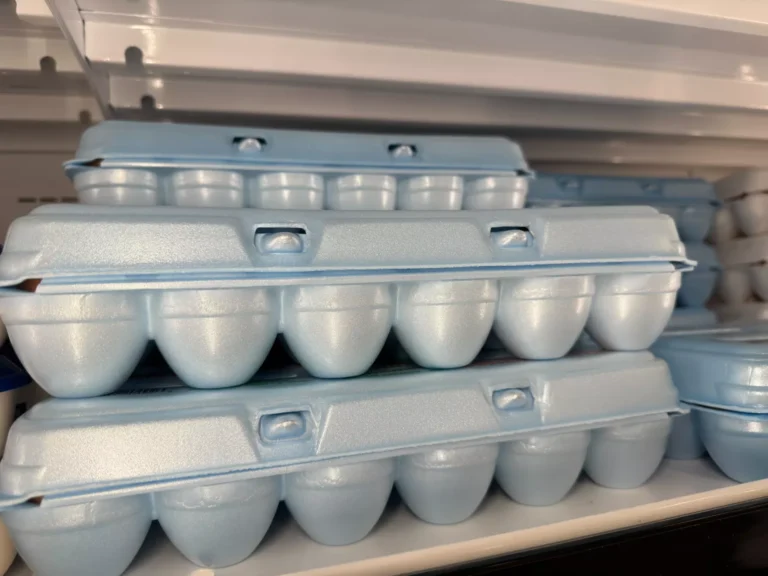
The U.S. Department of Agriculture is projecting that egg prices will decrease in the coming months. But experts said that all depends on whether there are any further bird flu outbreaks. Outbreaks of bird flu earlier this year are making eggs pricier. The wholesale price for eggs peaked at $3.30 per dozen in recent months,…
-
Low Mississippi River levels are again making it more expensive to transport crops in the Midwest
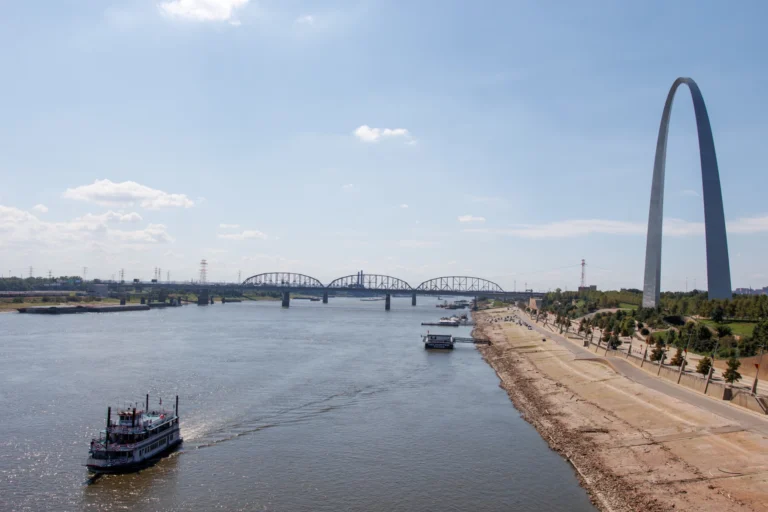
River barges are an efficient way to move crops — 15 barges can hold about as much grain as 1,000 semi-trucks. But low river levels are driving up transportation costs for Midwest farmers. The Mississippi River is experiencing low water levels this fall, driving up grain transportation prices for farmers in the Midwest….
-
Prairie home companions: Why more farmers are planting native landscapes in their crop fields
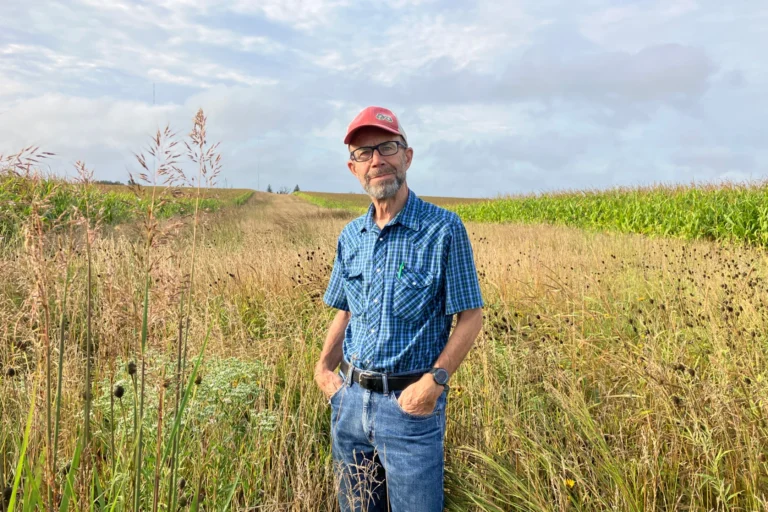
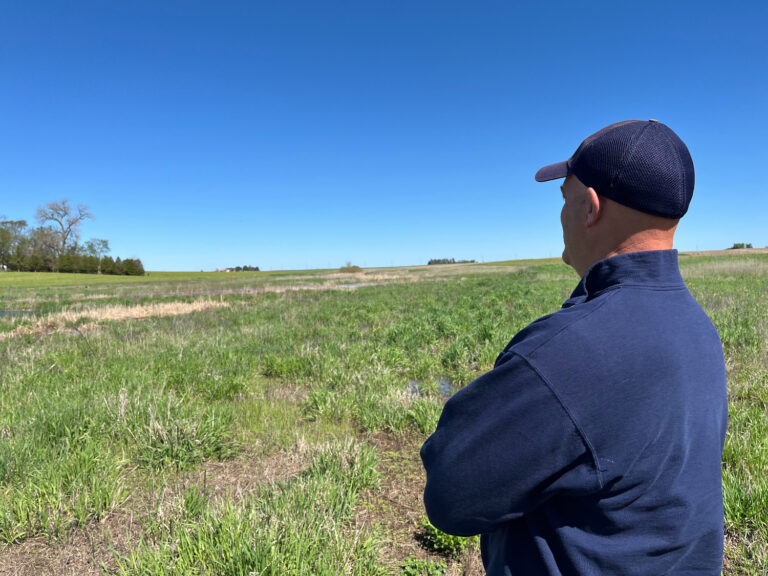
While corn and soybeans dominate the Midwestern landscape today, some farmers are integrating strips of native prairie back into their fields. This conservation practice has expanded to more than a dozen states. Between two corn fields in central Iowa, Lee Tesdell walks through a corridor of native prairie grasses and wildflowers. Crickets trill as dickcissels,…
-
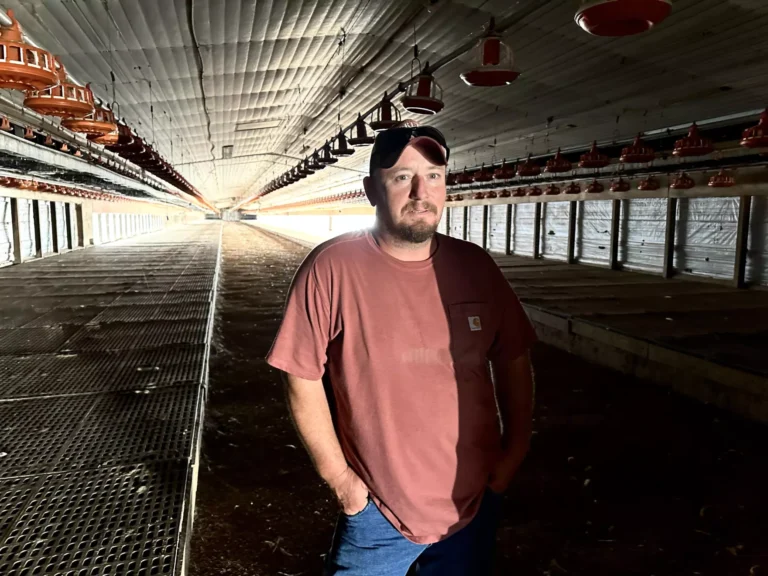
Chicken farmers sue Tyson after the company closed a Missouri plant and ended their contracts
Commercial chicken farmers literally bet the farm, spending millions of dollars on land and enormous chicken houses to raise birds they never own — putting their livelihoods in the hands of a single company that is both their supplier and sole buyer. When Tyson closed a processing plant in southeast Missouri, some farmers facing bankruptcy…
-
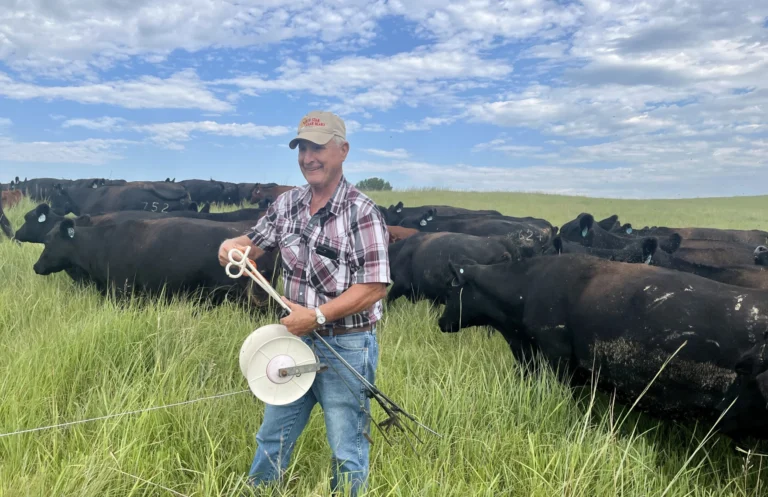
Cows produce planet-warming gases. What does that mean for a beef-lover’s diet?
Cattle contribute more greenhouse gases than other livestock. The reasons behind that have some ranchers trying to address environmental impacts, while experts say there are also ways for you to curb your plate’s climate footprint. From her home in eastern Nebraska, Angie O’Brien does what she can to help the environment. She reduces,…
-
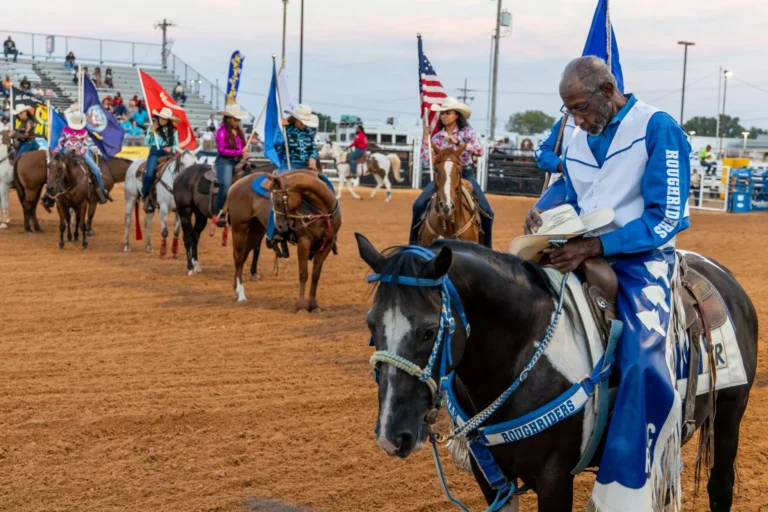
At America’s longest-running Black rodeo, ‘real cowgirls and cowboys’ carry on a rich history
The longest-run Black rodeo in the nation, the Roy LeBlanc Okmulgee Invitational Rodeo takes place every year in Okmulgee, Oklahoma. This year, hundreds of spectators and competitors from across the country celebrated the rodeo’s 69th anniversary. The crowd inside the rodeo arena gets loud and the red dirt kicks up in clouds as teams…
-
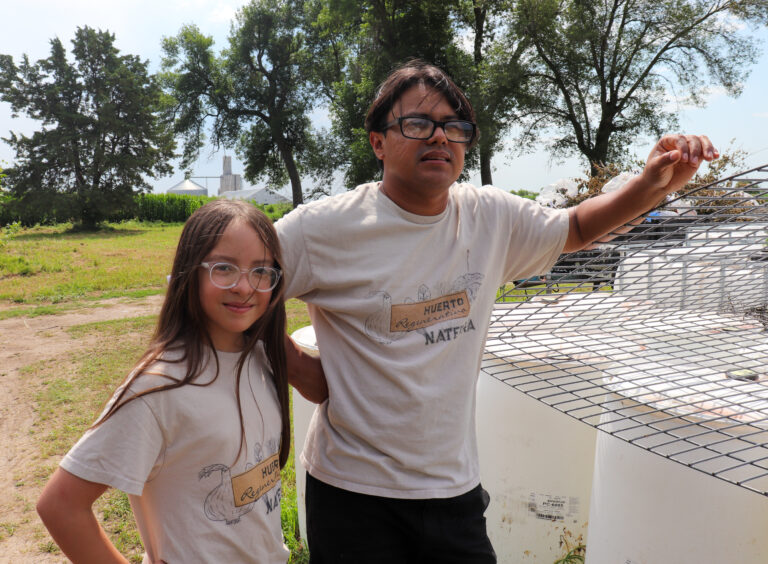
Immigrant farmers often can’t get federal grants to start businesses. These nonprofits are helping
Documentation status, language barriers and lack of information can all create barriers for immigrants to access federal grants. Now a number of organizations are stepping in to provide direct support.
-
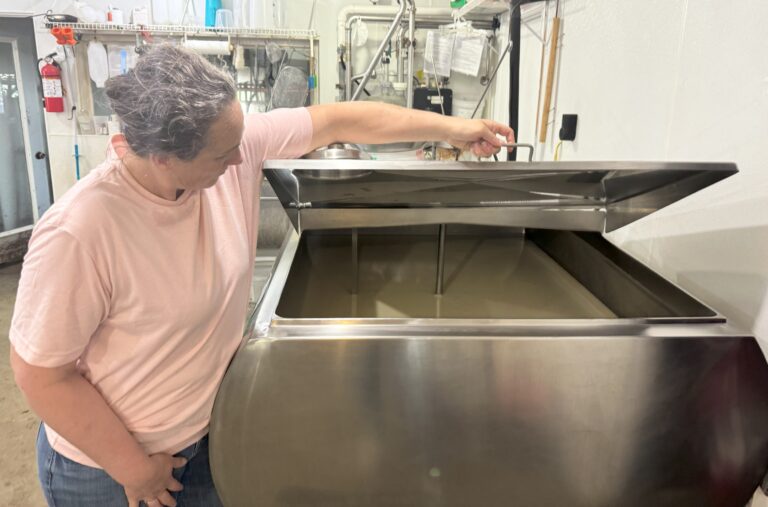
Demand for raw milk is strong, even as bird flu in cattle adds new concerns about health risks
Raw milk continues to grow in popularity, despite bird flu in dairy cattle bringing increased scrutiny from health experts.
-
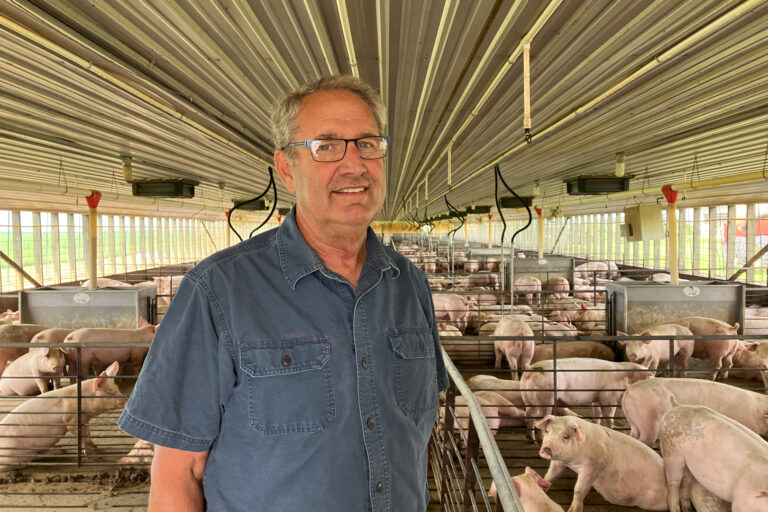
Pork producers face longer drives and higher costs after tough years lead to packing plant closures
Over the last two years, several large pork packers have closed plants in California, Minnesota and most recently Iowa. For some pork producers, this means additional miles and more money to deliver hogs on top of tough economic times.
-
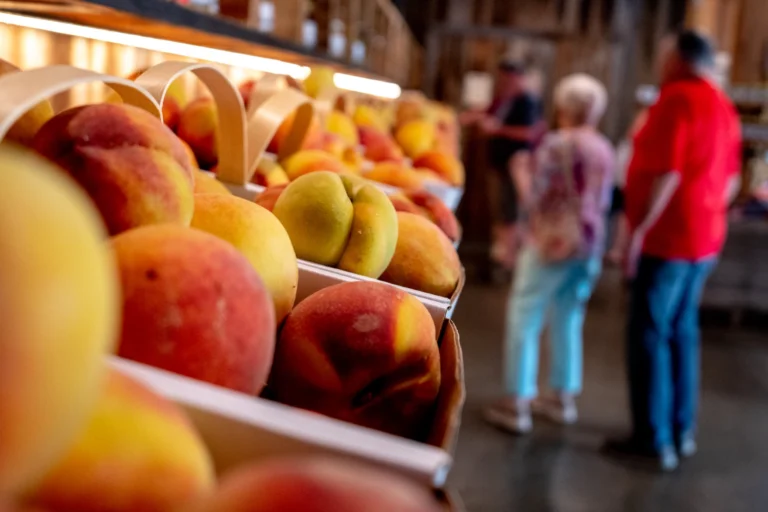
Peaches are bountiful again after last year’s poor crop. But it’s more mixed in one Midwest state
The peach crop across the U.S. is much better this summer than it was last year when cold temperatures affected crops in Georgia and South Carolina. Yet in southern Illinois, while some orchards are getting a bumper crop, others are having yet another year of low production.
-
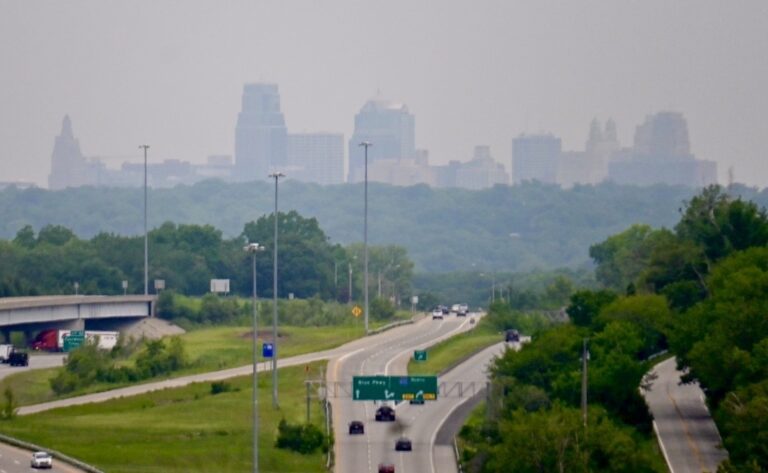
A big start to wildfire season could mean another smoky summer in the Midwest and Great Plains
Drought and some holdover wildfires from last year in Canada are already sending smoke into the Midwest and Great Plains.
-
Grass lawns are a landscape staple, but an environmental reckoning may change that
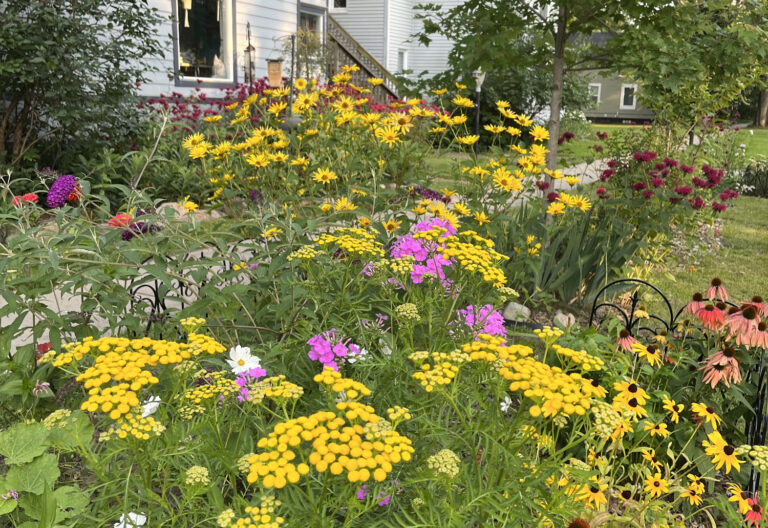
The first English word for “lawn” dates back to the early 1500s, described as an “open space among trees.” Lawns today are a far cry from that description, but they’ve come to dominate our physical — and cultural — landscapes. Now concerns over environmental impacts are propelling yet another redefinition.
-
Drought lingers in parts of the Midwest and Great Plains. ‘You have to have some hope’
Planting is well underway across the Midwest, but farmers are still grappling with dry conditions that led to lower than normal corn yields last fall. It’s the third year of a near historic drought for parts of the Corn Belt.
-
Wool prices are so low, Midwest sheep producers have to find new uses — or raise sheep without it
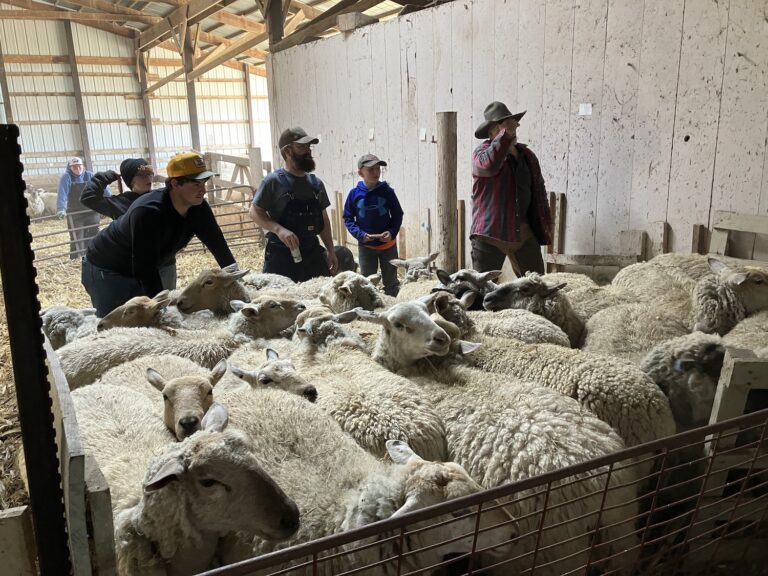
A strong spring wind rattles the metal, corrugated barn on the Cory Family Farm where inside, a few dozen sheep cluster next to a wall. Across the barn on the opposite wall, shearers are at work quickly removing a year’s worth of shaggy, white fleeces from ewes and rams. The shorn sheep emerge, looking sleeker…
Author: Harvest Public Media
Harvest Public Media reports on food systems, agriculture and rural issues through a collaborative network of reporters and partner stations throughout the Midwest and Plains.