

Dozens of deaths in Illinois jails missing from state records
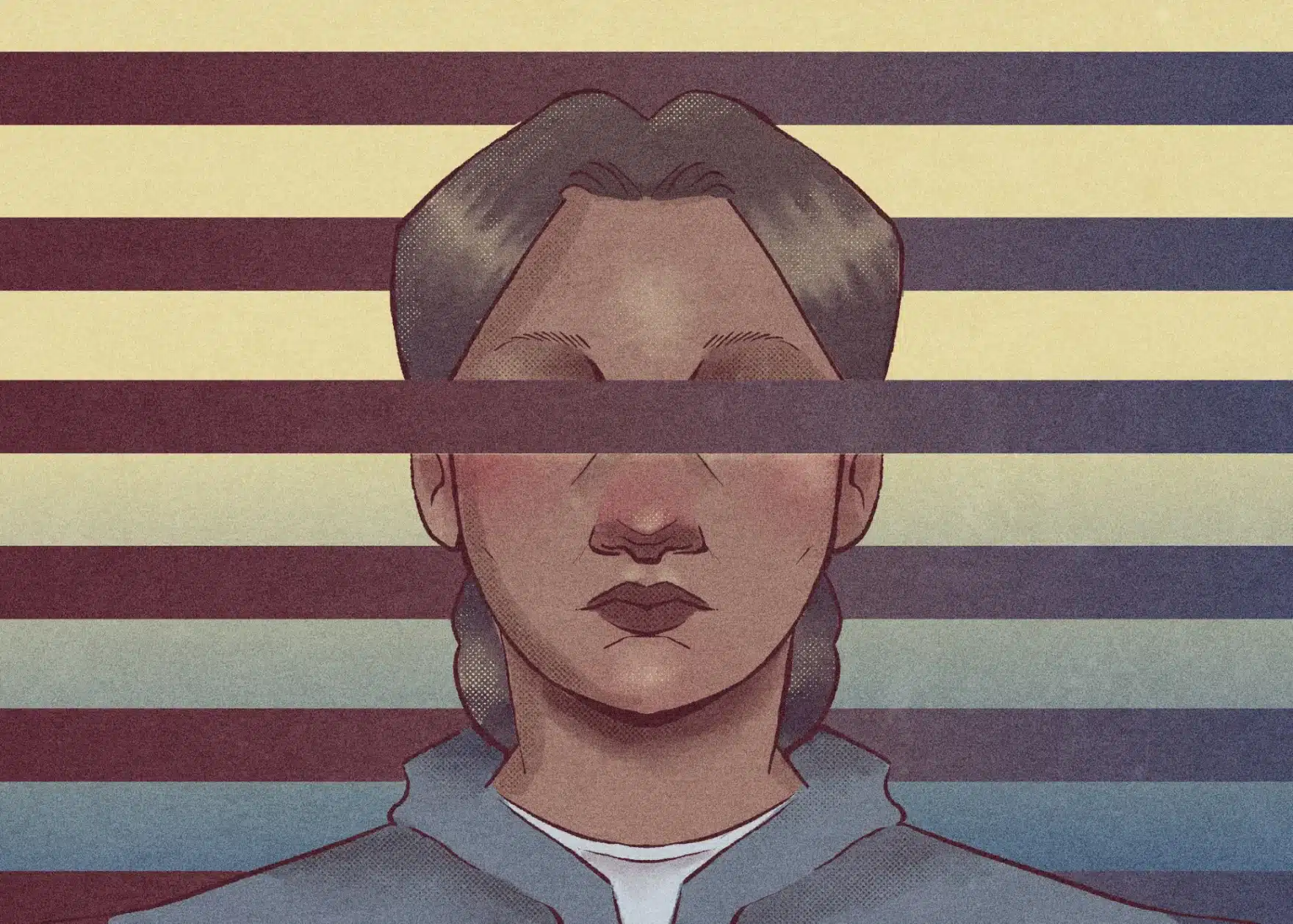
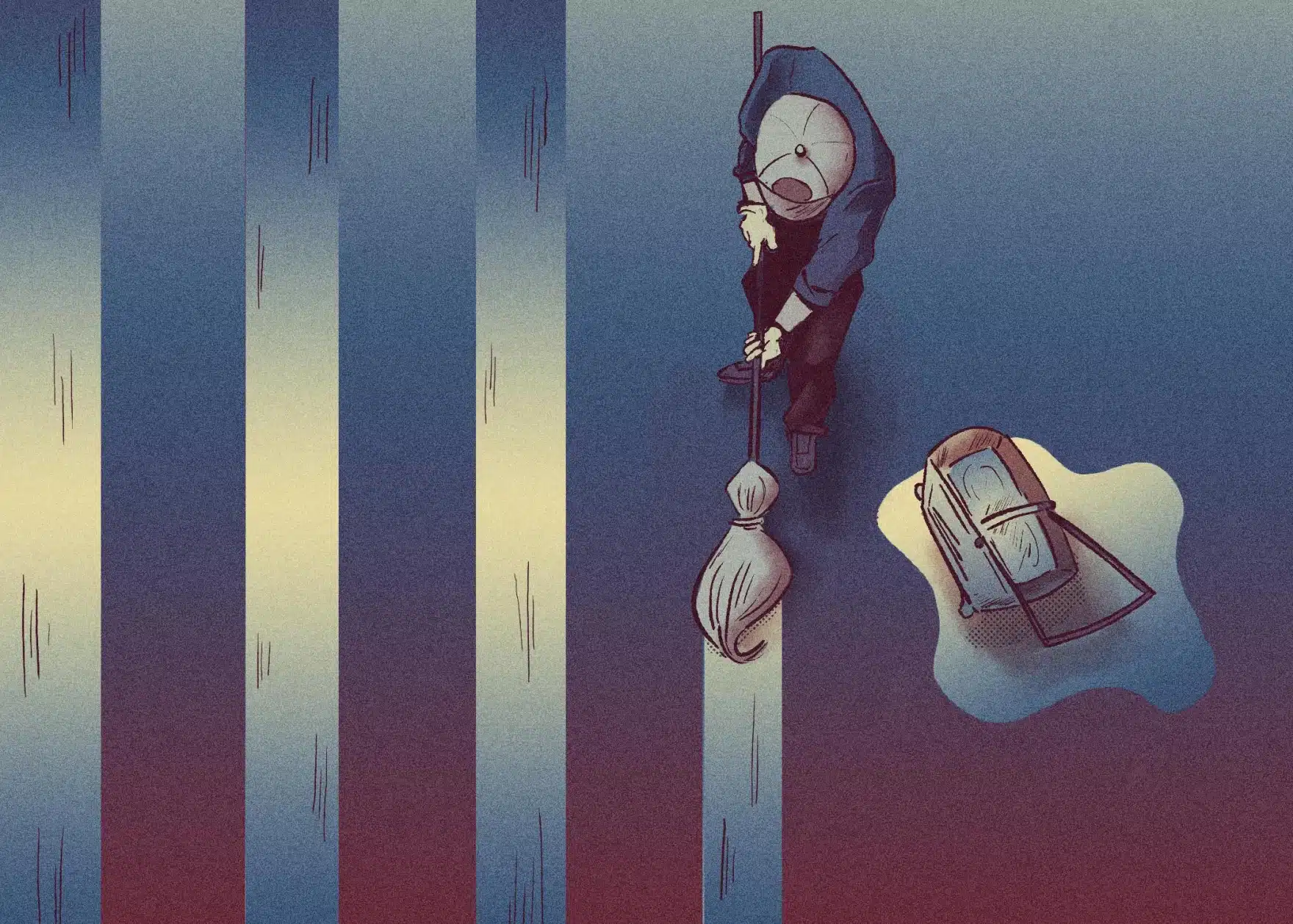
An Illinois Answers Project analysis revealed that 63 people who died in jails were missing from state data on in-custody fatalities. Now the state is auditing its records.

An Illinois Answers Project analysis revealed that 63 people who died in jails were missing from state data on in-custody fatalities. Now the state is auditing its records.

Jail staff are supposed to report any “extraordinary or unusual occurrences” to the Jail and Detention Standards Unit (JDSU) within the Illinois Department of Corrections (IDOC). But jails have been haphazardly reporting for years, and some incidents were never disclosed to the JDSU.

Trails of the Grand Prairie, a nonprofit working to expand the Kickapoo Rail Trail, is applying for a state grant to extend the trail to Danville.

The medical aid in dying law is facing court challenges, but the law still stands.

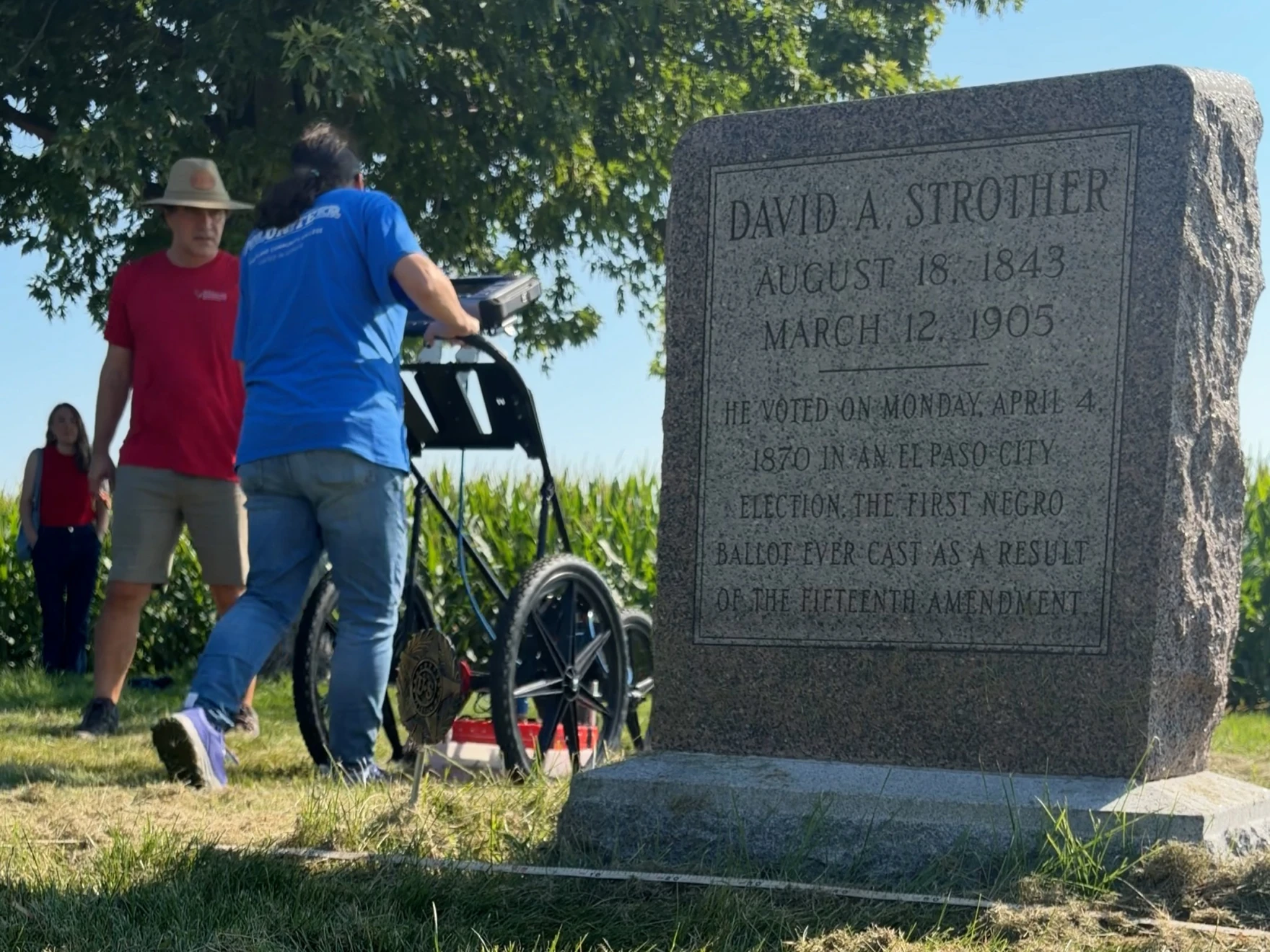
More than 120 years after his death, local historians finally feel confident of the burial spot for the first Black man to vote in Illinois.

Fall festivals, live music, and the grand opening of a history museum are all happening this week in Central Illinois.

Community members gathered to celebrate “Welcoming Week” at a kickoff event Friday evening in Urbana.

The initial statewide public defender will serve a two-year term and receive a salary of $218,400 — equal to that of Attorney General Kwame Raoul.

Disability rights advocates worry about potential for coercion and want more state oversight.

Southeast Urbana’s incumbent council member Grace Wilken resigned earlier this week. Residents of Ward 6 can apply by September 11 to be appointed to Wilken’s former seat.

Back-to-school events, a family resource fair, museum exhibitions, live music and more are coming to central Illinois this weekend.

Illinois is home to more than 240 data centers.

Mayor Deshawn Williams spoke at his State of the City address about public works improvements, including new street lights and sidewalks as well as public safety and violence prevention.

Most Illinois counties have a non-medical exemption rate under one percent. Six counties in northern and southern Illinois have a two percent exemption rate.

After years of discussion over how Urbana should use surveillance technology, officials have enacted a measure that implements transparency requirements and mandates city council approval for departments to adopt new tools like license plate readers or facial recognition software.