


Due to climate change, Illinois is in a State of Change, as severe weather continues to affect communities across the Prairie State, knowing what to do is key. But for many people, the last time they participated in a storm drill may have been in elementary school. Having a plan is one of the best ways to protect yourself and your family. That means identifying a safe place before a warning is issued, finding a way to receive weather alerts from a trained weather professional who works in your area, and understanding what those alerts actually mean. It also means clearing up a few common misconceptions about severe weather.
Debunking Tornado Myths
One of the biggest myths is that it’s okay to seek shelter beneath an overpass during a tornado. An overpass can actually put you in more danger. The space beneath it can create a wind tunnel effect, exposing people to stronger winds and flying debris. Overpasses can also become dangerous if the structure is damaged or even worse, collapses. If you’re driving during severe weather, your best option is to get to a sturdy building and seek shelter. If that’s not possible, follow National Weather Service guidance for taking shelter in your vehicle or outside.
Turn Around, Don’t Drown
Floodwaters present another danger, particularly during the spring and summer months. We saw in 2026 how heavy rainfall can quickly overwhelm roads and drainage systems. The familiar phrase “Turn around, don’t drown” is more than a catchy reminder. One foot of fast-moving water can carry away a small car. Larger vehicles, including SUVs and trucks, can be swept away in deeper moving water. Click here to read more Flood Safety advice from the National Weather Service.
Watch vs. Warning
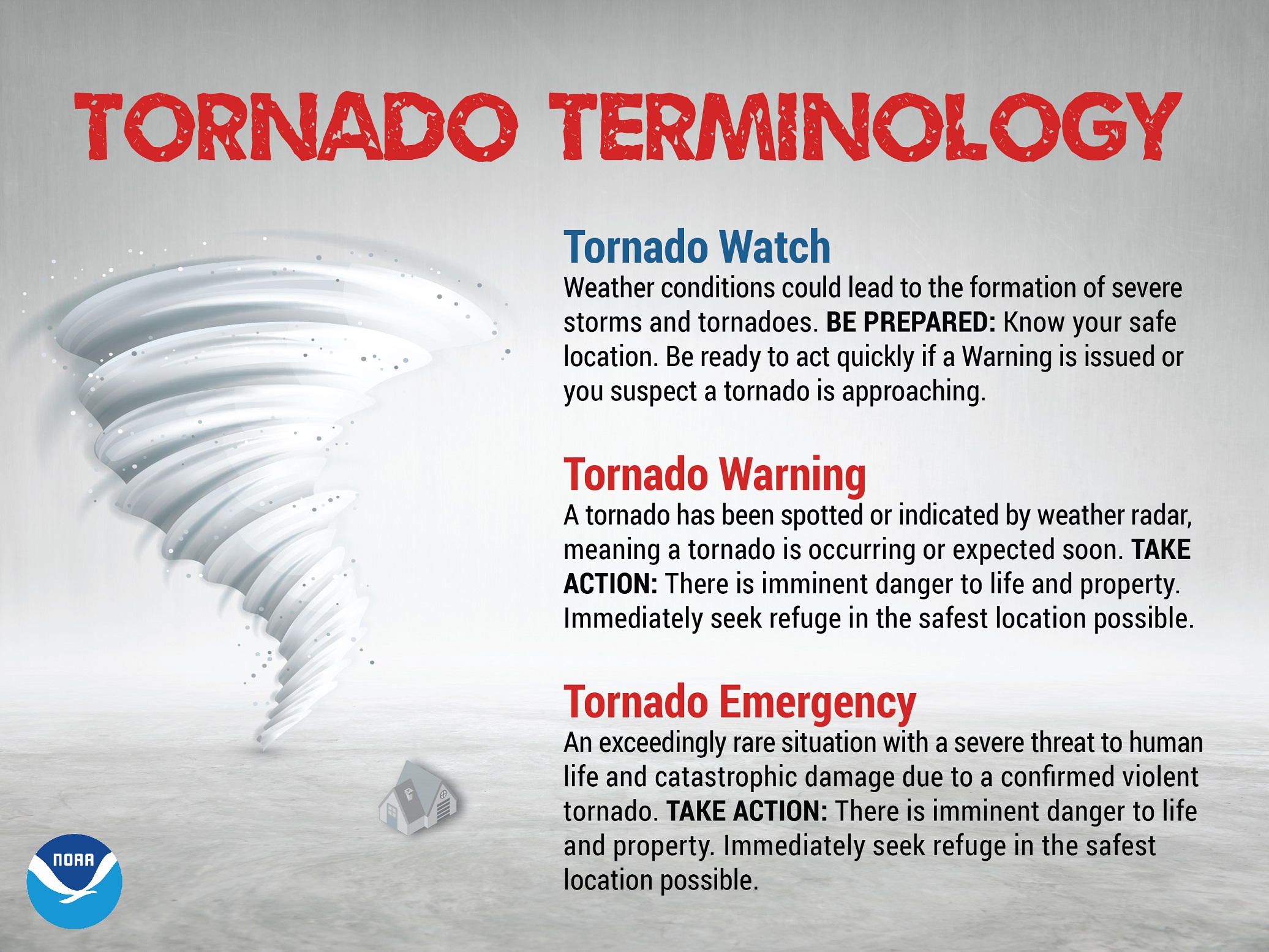
Understanding weather alerts is equally important. Do you know the difference between a watch and a warning? A tornado or severe storm watch means conditions are favorable for severe weather to develop. It’s the time to stay informed, review your emergency plan, charge your devices and be prepared. A warning is different. It means severe weather is happening or imminent in your area. When a warning is issued move to your designated safe place, preferably a basement or an interior room on the lowest level of a building, away from windows. Click here to learn more about how the National Weather Service issues Watches, Advisories and Warnings.
Forget the Apps and AI, Count on a Scientist
Even the best emergency plan depends on one critical thing: having accurate information when it matters. For Alivia Colon, a meteorologist at WAND-TV in Decatur, the importance of communicating severe weather threats quickly and clearly became especially real during her first storm season in Illinois. During the 2026 record-setting storm season, Colon spent a lot of time on the air, reporting on severe weather.
“And when I’m on air and I’m covering it, I distinctly remember a couple times this past spring thinking to myself, somebody’s house could be damaged,” Colon said.
One encounter with a viewer reinforced the importance of localized emergency weather information. Colon said a viewer reminded that she referenced a Casey’s gas station nearby and the family was able to shelter in a closet until the storms passed through. Colon encourages people to have a reliable way to receive weather information from a meteorologist during severe weather. Weather apps and artificial intelligence tools can and do give good information, but they shouldn’t replace official warnings and the expertise of trained meteorologists.
“This is an experience that more of us are going through now, but we’re going through it together, so we’ll get through it together,” Colon said. “But you do have to do your part. I’m going to do my part. I’m going to be staying ready and get the knowledge and I’m never going to stop learning.”
Severe weather is not always predictable, and no two storms are exactly alike. But being ready and having a plan can help you stay safe when severe weather is on the ground.