

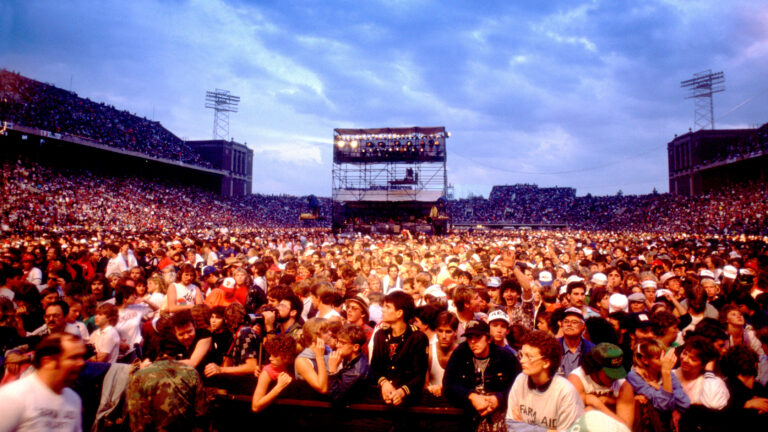
CHAMPAIGN — Farm Aid is a traveling benefit concert that has raised more than $80 million nationwide to help struggling family farms across the U.S.
The first annual Farm Aid event was held 40 years ago, on Sept. 22, 1985, in what is now Gies Memorial Stadium in Champaign. At the time, the U.S. was in a major agricultural crisis. Severe inflation and lessening exports caused family farmers across the country to lose their farms and homes.
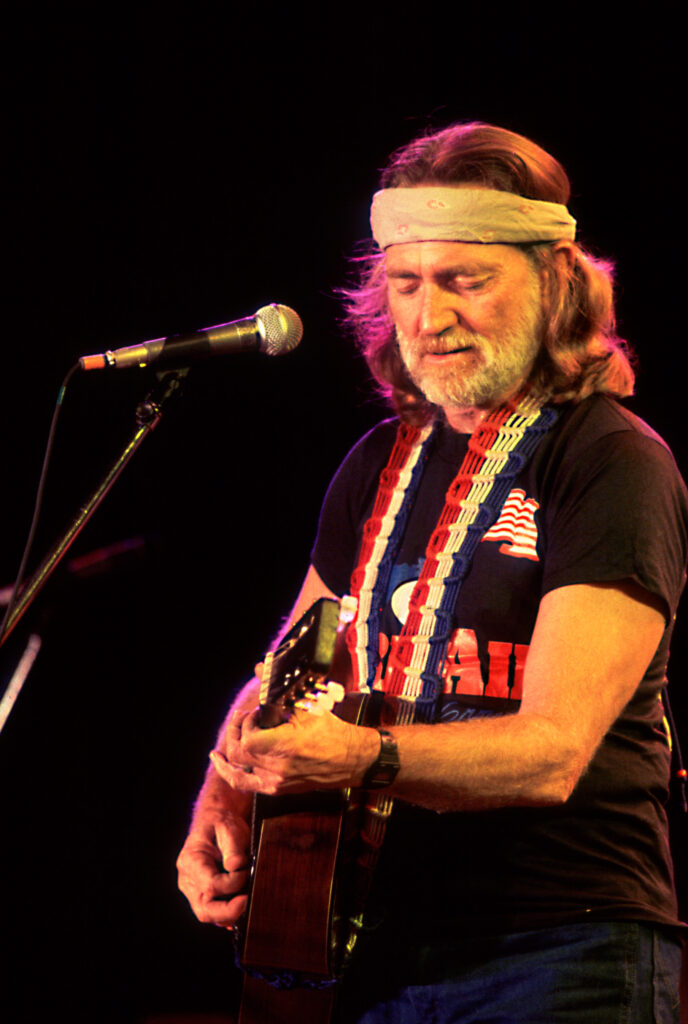
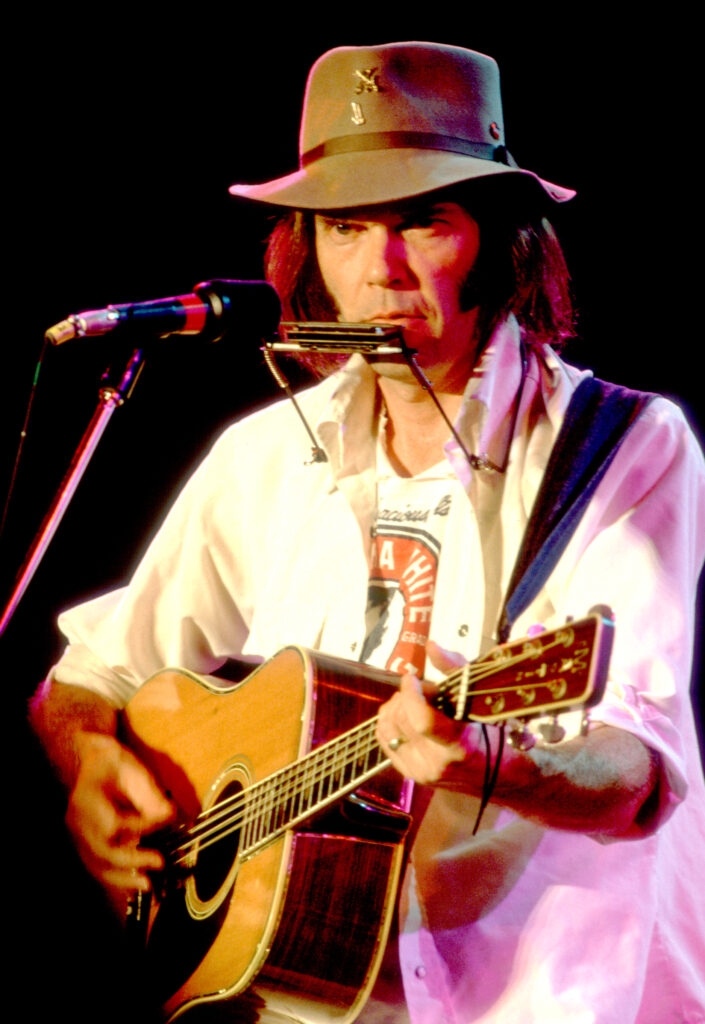
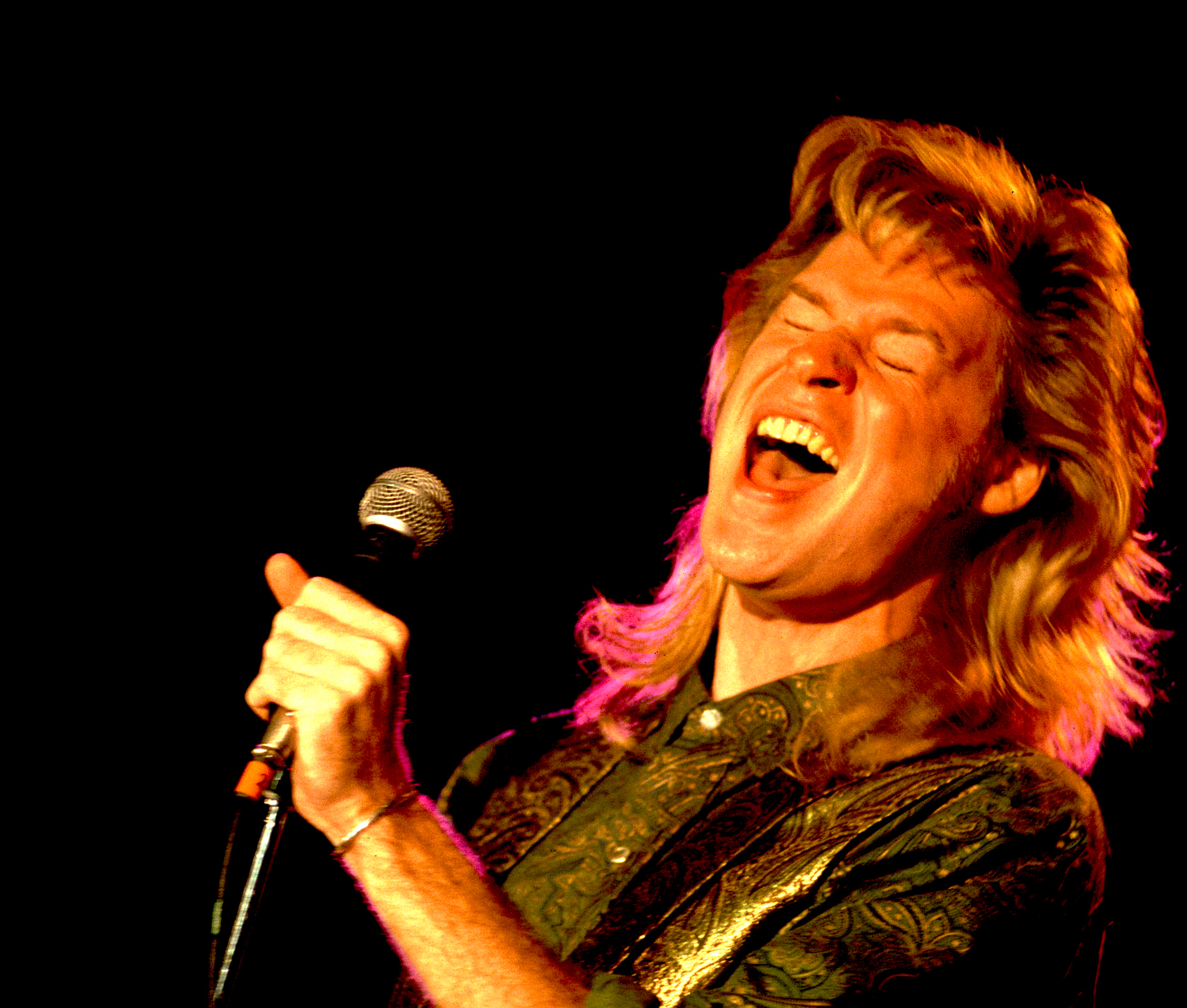
Singer and guitarist Willie Nelson took note of this and employed the help of singer-songwriters Neil Young and John Mellencamp to bring his vision to life.
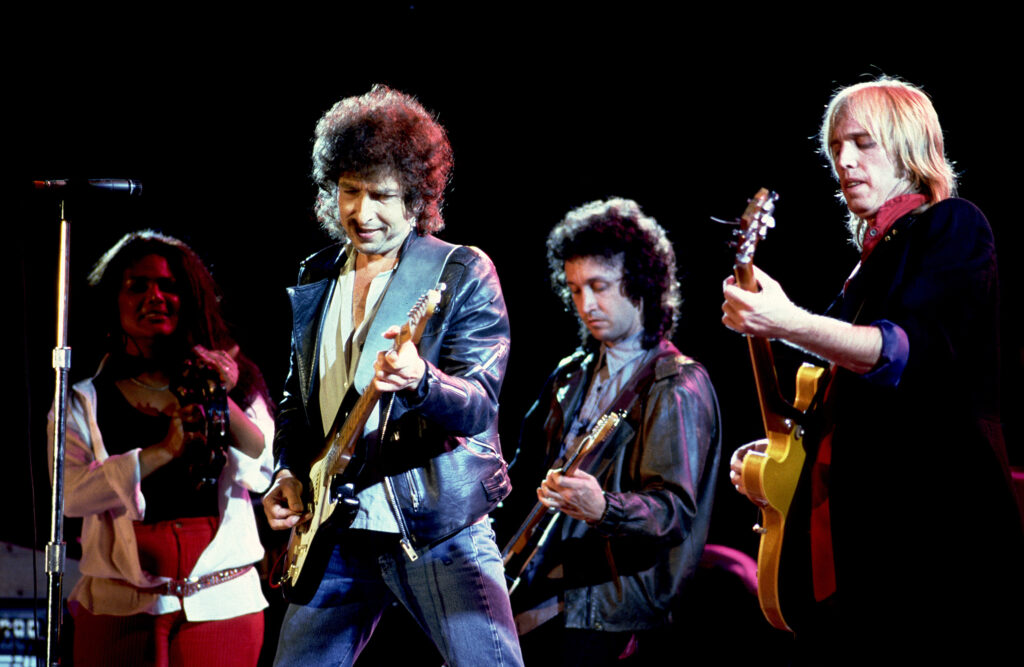
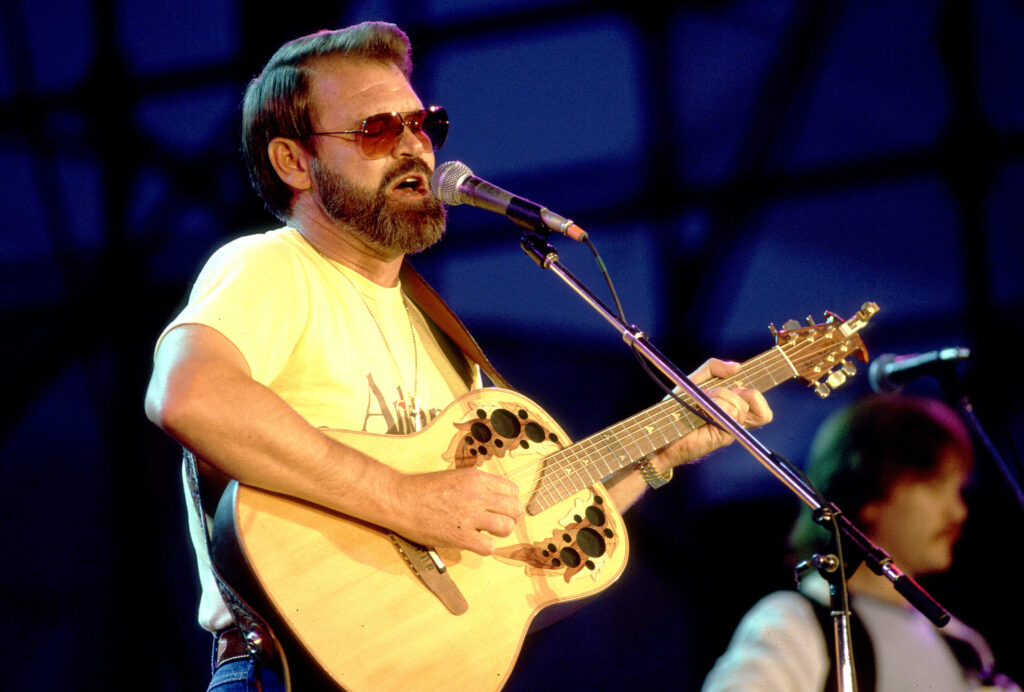
The first show included performances from Bob Dylan, Billy Joel, Loretta Lyn and many more. Jennifer Fahy, the current Farm Aid co-executive director, said the three had no idea they were founding a legacy.
“Willie was very aware of [the farm crisis] from his background, growing up in agricultural areas of Texas, and also from traveling the country, as he does to this day, even at the age of 92,” Fahy said.
Nelson had been “traveling the country and talking to folks, going into diners and truck stops and hearing from people, being very aware that there was this farm crisis and that it seemed nobody was stepping up to do anything about it,” she said.
The makings of the first concert
The founders of Farm Aid wanted Washington D.C. to wake up to the crisis on America’s farms — and music was their way of making it happen, Fahy said.
Andy Green, who was part of the core group that facilitated the first Farm Aid, said they had six weeks to make it happen.
“We made this long list of things we didn’t know and we didn’t have and we weren’t sure how it could be pulled off,” Green said. “In the end, the list was pretty overwhelming.”
He recalls that in August 1985, Gov. James Thompson was at the Illinois State Fair in Springfield, and Willie Nelson was performing on a Saturday. The two, who were old friends, got to talking about the plight of the farmers in the U.S. due to widespread foreclosures.
“Willie basically said he’d like to do a benefit concert of some sort, if he could find some place to do it,” Green said. “And the governor offered up the football stadium at the University of Illinois —without speaking to anybody else.”
The following Monday, Green said he and his colleagues at Assembly Hall (now the State Farm Center) Tom Parkinson and John Graham sat down for a game plan.
When they began planning, he said the stadium had no full-time staff, no adequate setup for the electricity, no stage and no idea how many people could fit into the stadium. When it was all said and done, the concert boasted a crowd of 80,000 and raised over $9 million.
Green said he and his colleagues didn’t realize their work would be historical — but he felt everyone rose to the occasion.
He recalls the night before the concert, Bob Dylan, Willie Nelson, John Mellencamp and others were warming up together during their sound check.
“That was probably one of the more magical moments, from my point of view, because the stadium was empty,” Green said. “It was a very relaxed, controlled environment. And that particular few hours of music was quite remarkable, quite remarkable.”
Catherine LeRuyet attended the first Farm Aid when she was 17. She said it was a formative experience for her to see so many people come together for a cause.
“Everybody was almost like Woodstock,” LeRuyet said, referencing the music festival of 1969, often called the “Summer of Love.”
She said part of it was there was a lot less consumer culture than at concerts today. She said the atmosphere of the concert was very comfortable and the crowd was unexpectedly peaceful.
“I don’t remember it being like any[one was] fast-tracked or had higher expense tickets. Everybody was at the same level and enjoyed it,” LeRuyet said. “I don’t think it was exorbitant.”
Policy work following the first Farm Aid
Following the first festival, Farm Aid put together the United Farmer and Rancher Congress, a platform for farmers across the nation to voice their grievances, Fahy said.
This resulted in the 1987 Agricultural Credit Act, which stopped the flood of family farm foreclosures across the country.
“As it has been told to me every year, after that first [concert], Willie would check in and say, ‘Do we need to do another one?’ And he would find the answer was yes,” Fahy said. “Farmers still need attention shined on the challenges that they face, and Americans can learn more about agriculture, which most of us don’t know a ton about, even though we eat at least three times a day.”
Since Farm Aid was founded, there has been a renewable Farm Bill around every five years to acknowledge and solve the problems farmers face. Fahy said Farm Aid continues to be intimately involved in these policy changes in order to “level the playing field for family farmers and make our agriculture more resilient in the face of climate change.”
The most recent Farm Bill expired in 2023 and received two one-year extensions; the latest extension expires at the end of this month, according to the U.S. Department of Agriculture.
Fahy said the Trump administration’s policies have made it much harder for family farmers.
“It’s just been very hard for farmers to have any certainty whatsoever with the ongoing issues around tariffs, the federal freezes of funds for agricultural programs and then, for many, the cancellation of those programs,” she said.
“Agriculture is a tough place to be operating in right now… What we’re really focused on right now is bringing those voices to the forefront so that folks are hearing from farmers directly.”