
Updated on Tuesday, June 16 at 10:30 a.m. CT
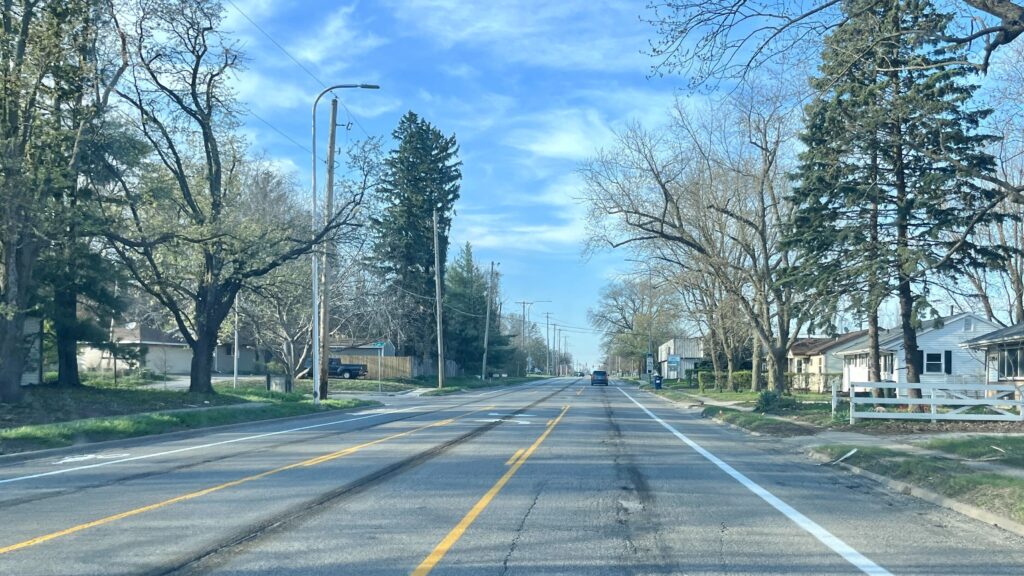
Construction is returning to a portion of North Lincoln Avenue this week as the City of Urbana is returning the corridor to its old configuration as part of a federal program.
Earlier this spring, Urbana restriped the section between King Park and south of I-74 to have one motor vehicle lane in each direction, a center turning lane and painted bike lanes.
As part of a federal grant used to pay for the road pilot, the city is required to revert the street to its old design, which included two northbound and southbound vehicle lanes.
Starting on Monday, the city began reconfiguring the section of North Lincoln Avenue to have two vehicle lanes in each direction.
The city said it will use feedback from the project to inform future resurfacing on the road.
Original story:
URBANA— The city of Urbana is testing out a new road design on a portion of North Lincoln Avenue as part of an effort to make the corridor safer to travel through.
The city has restriped a part of the road between King Park and I-74, which previously had two vehicle lanes for the north and southbound routes. The current configuration has one vehicle lane in each direction and has added a center lane for left turns and painted bike lanes.
City officials said those changes can reduce rear-end collisions and make it easier for pedestrians to safely get across the road.
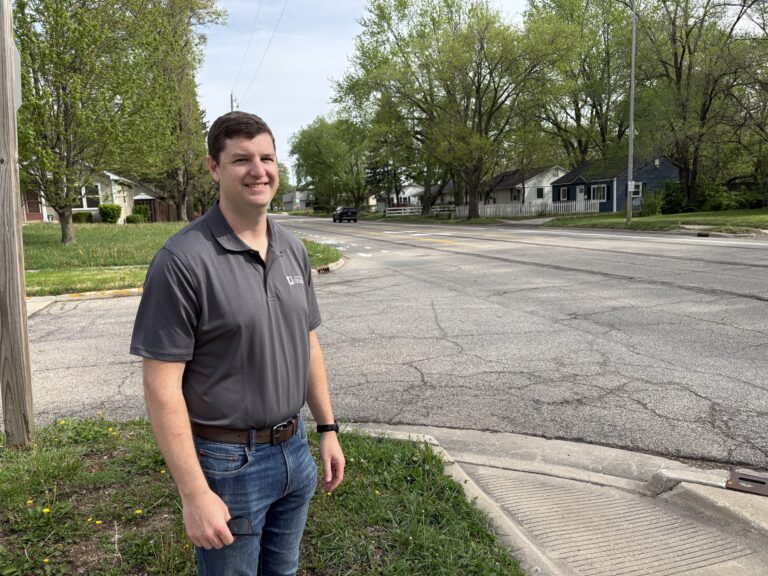
“Trying to cross four lanes of traffic can be really difficult, because you’ve got to look for essentially, four cars at a time could be coming at you,” said Justin Swinford, interim city engineer for Urbana. “So now we’ve reduced that to just one lane each direction.”
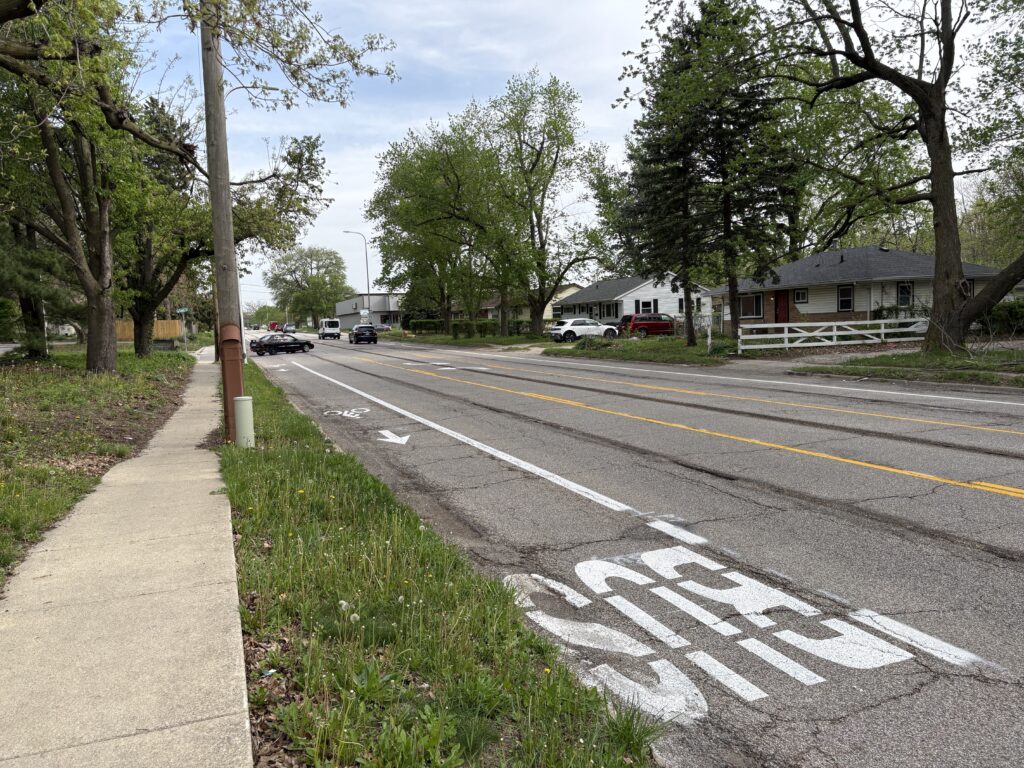
The city is using a Federal Highway Administration (FHA) Safe Streets for All grant to temporarily redesign the road and take community feedback on the design.
Swinford said the city is deciding whether a future configuration would include on-street bike lanes or direct cyclists onto a pathway along the side of the road.
“I think a lot of people have seen the bike lanes added, and think that that was the sole purpose of the project,” he said. “It’s really kind of something that we were able to do again based on the width of the existing pavement. It wasn’t solely the purpose of the project.”
The redesign follows the model of a road diet, an approach the FHA recommends for roads with fewer than 20,000 average daily trips.
Swinford said future additions to the road could include pedestrian islands and crosswalks with flashing signals.
The federal grant requires the city to change North Lincoln Avenue back to its old design later this summer. Swinford said the city is confident in the new lane configuration and expects to have longer-term construction on the road in a couple of years.
“Sometimes there are impacts that are maybe perceived as negative to … drivers if they’re backed up further than they usually are, but we’re trying to make this a safer corridor for everybody,” he added.