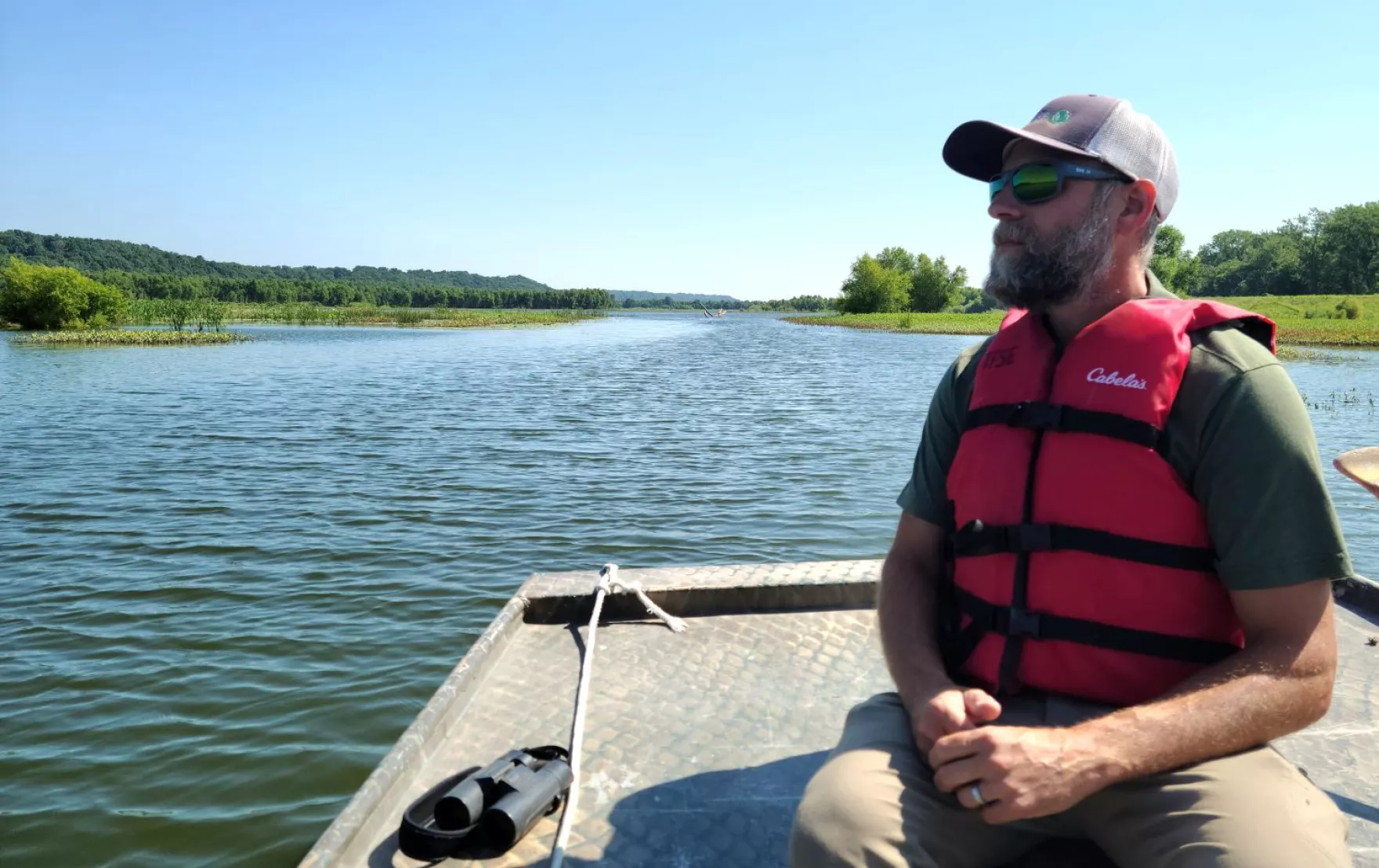
At Spunky Bottoms, an Illinois River wetland’s resilience is on display
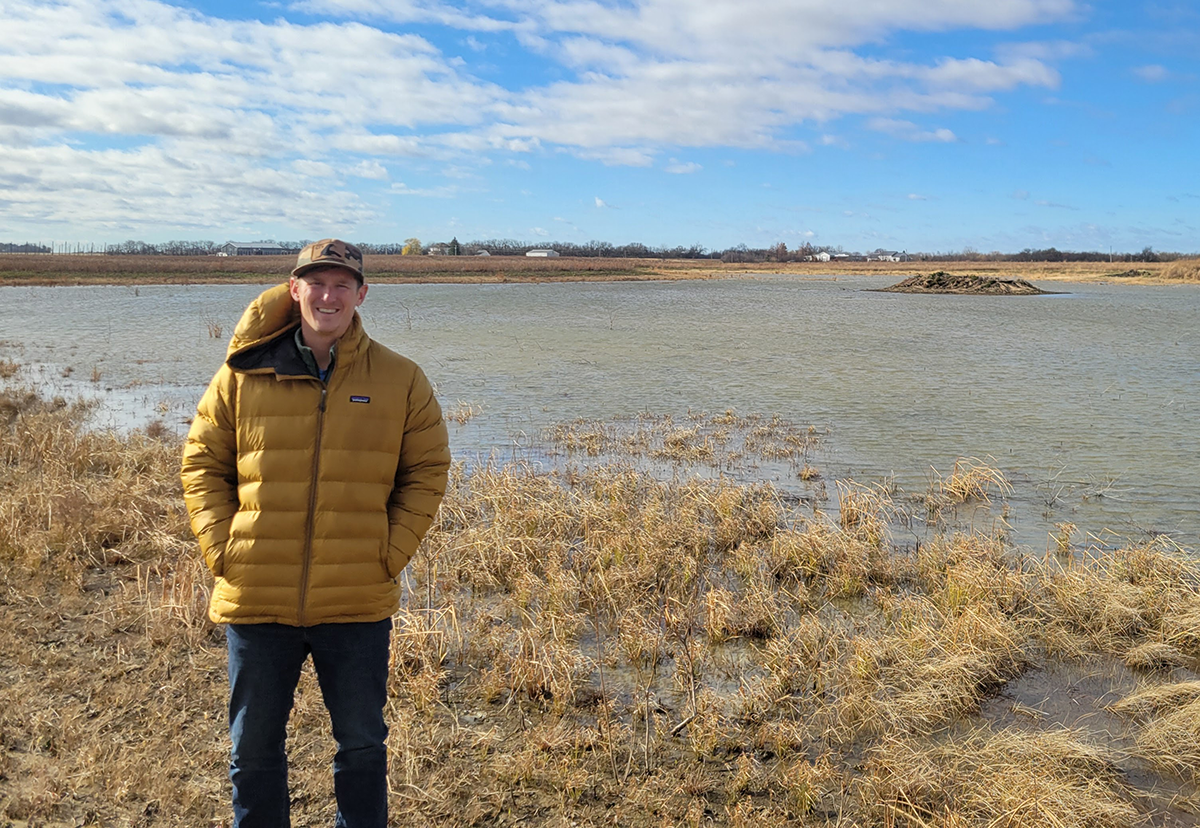
The Nature Conservancy acquired the roughly 1,300-acre Merwin Preserve at Spunky Bottoms in the late 1990’s and allowed the site to return to being a floodplain wetland.


The Nature Conservancy acquired the roughly 1,300-acre Merwin Preserve at Spunky Bottoms in the late 1990’s and allowed the site to return to being a floodplain wetland.

Environmental advocates say the outlined revision ignores science and threatens water quality, while farm groups argue it offers landowners needed clarity about which parts of their land count as federally protected.
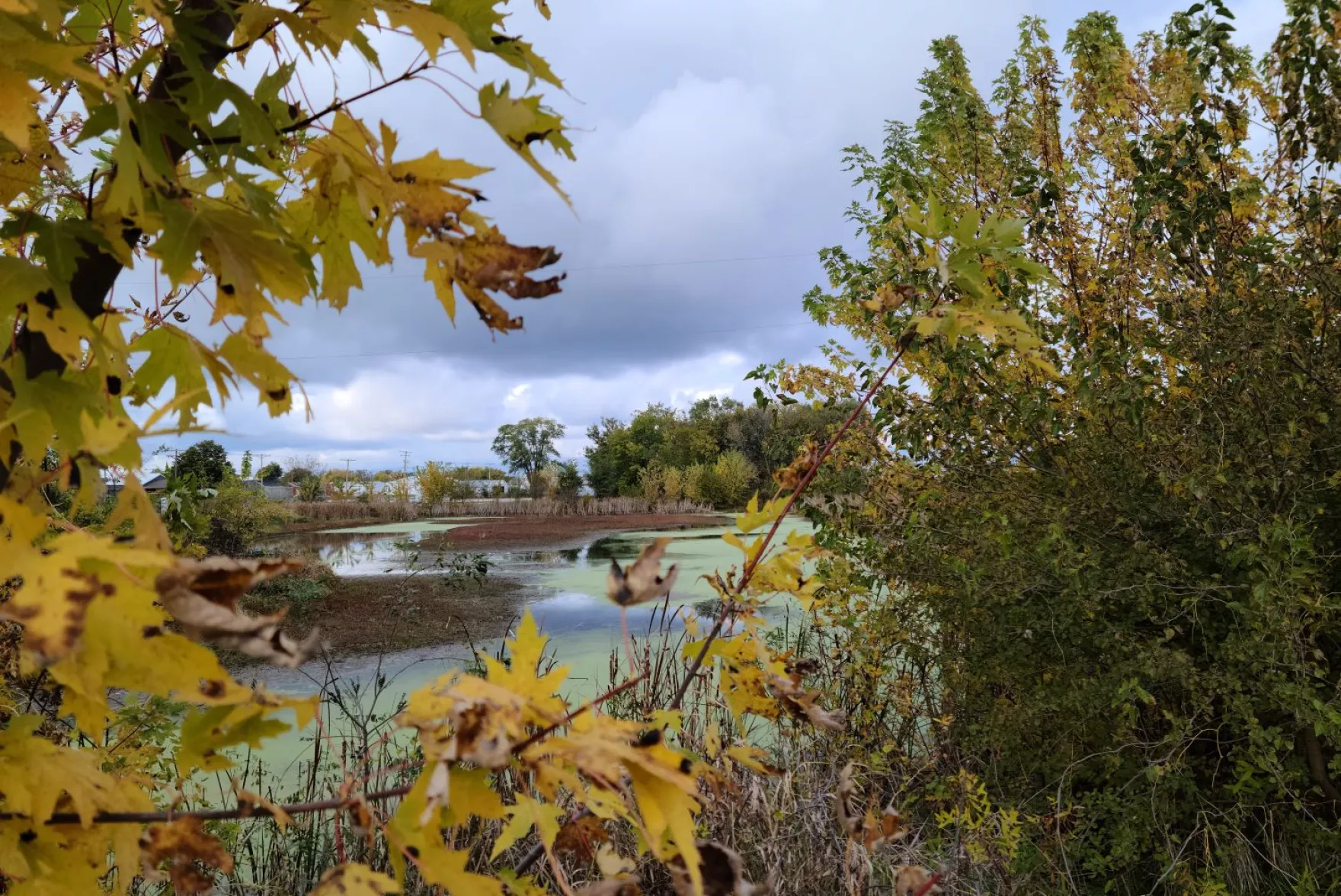
Wetlands are important not just to all the animal and plant species that live there, but they’re also valuable to humans because they purify drinking water by taking nutrients and pollutants out of the system through all of the plant life and natural cycling that occurs.
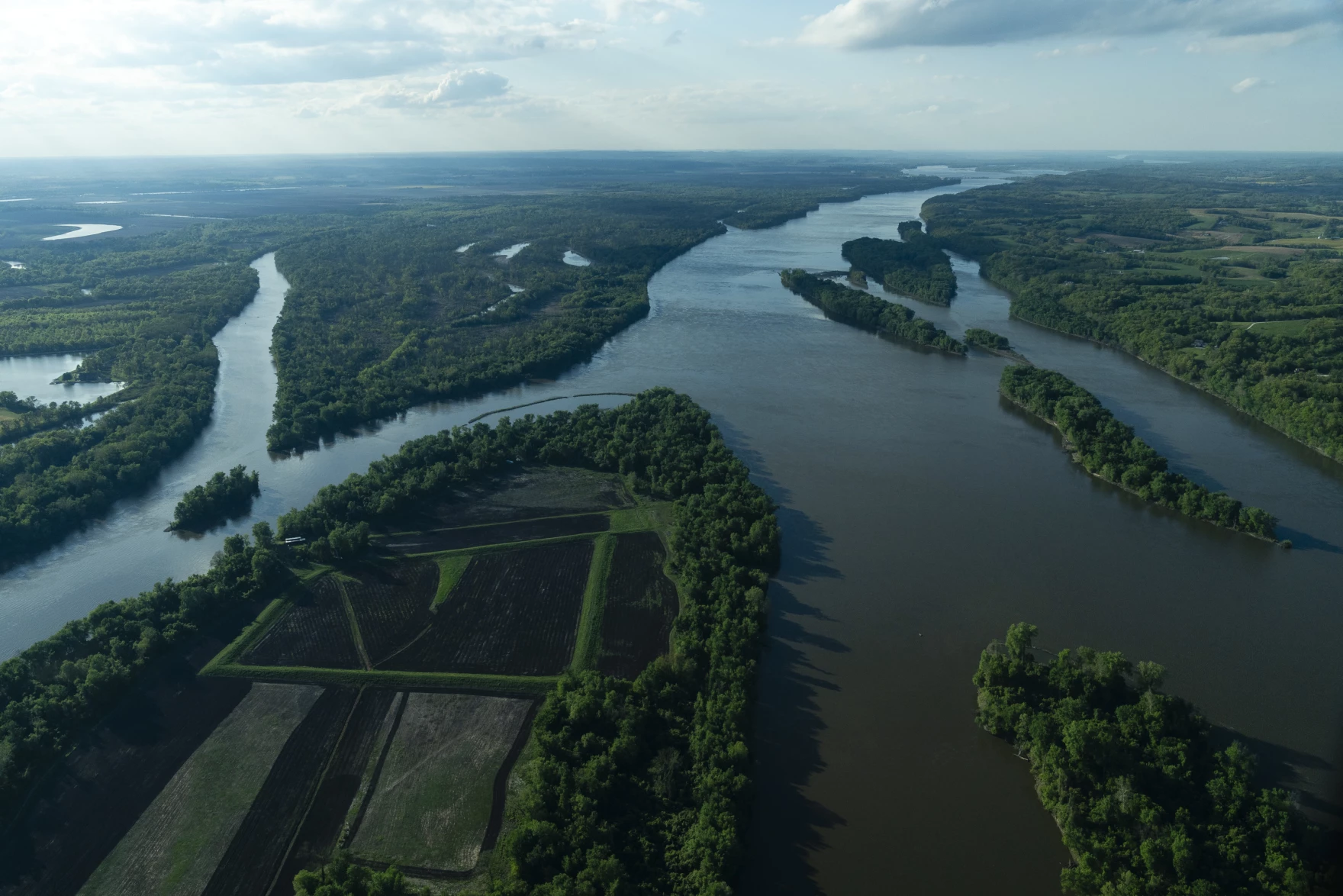
Along with calls for better disaster mitigation programs, the mayors announced a new federal data tool that will compile information on drought, flooding and river levels.

Peat bogs sequester a massive amount of the Earth’s carbon dioxide. But even as scientists work to better understand bogs’ sequestration, the wetlands are under threat.
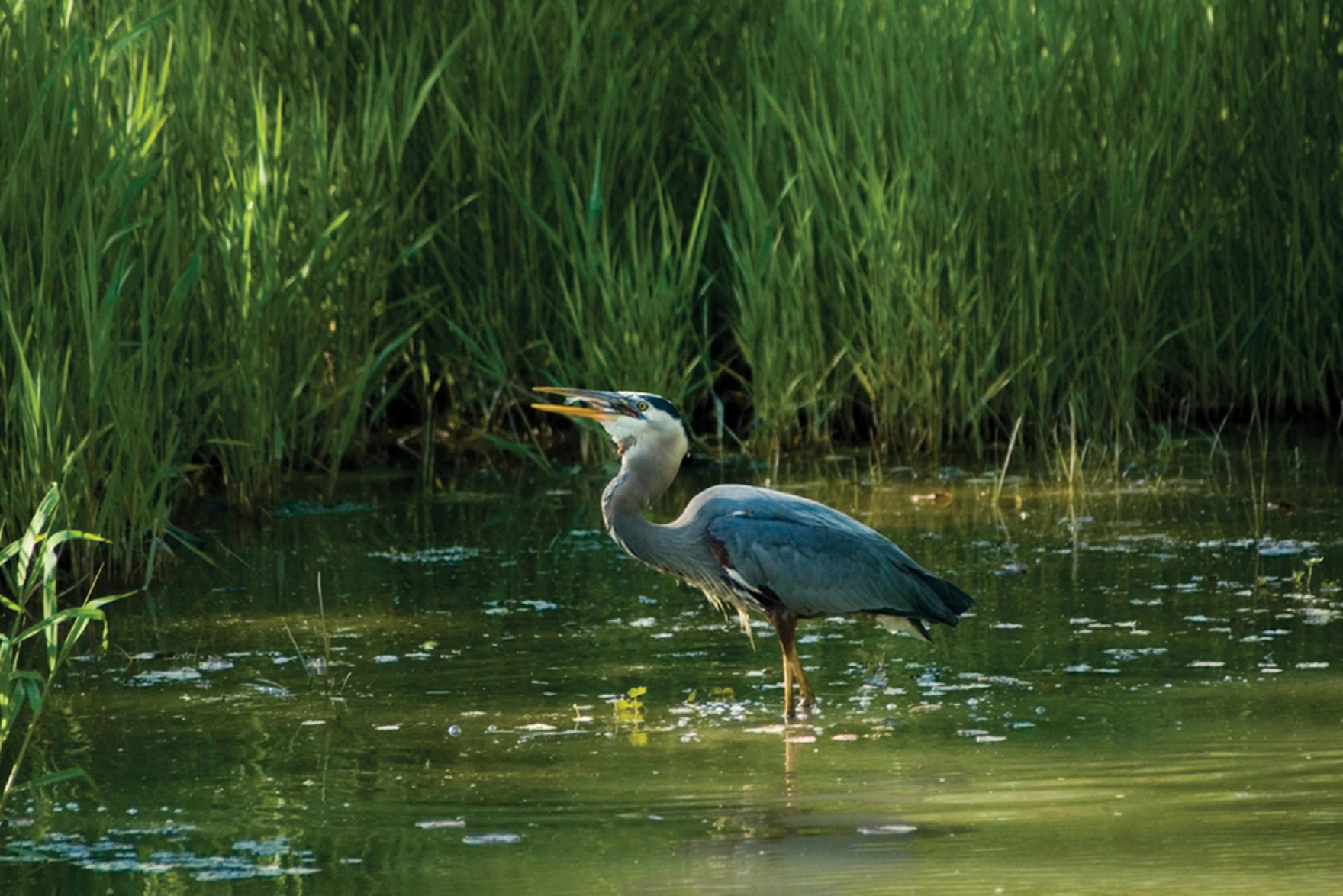
A case in federal court aims to dismantle a decades-old wetlands law, best known for its nickname.
The Midwest has seen an incredible loss of native prairies and wetlands over the past few centuries. The changes have been driven primarily by farming and urban sprawl. But in east-central Illinois, several initiatives aim to bring back native ecosystems.