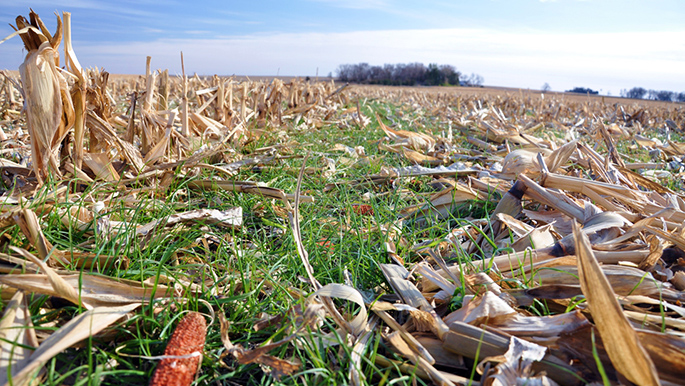
More Farmers Are Planting Cover Crops Thanks To State Incentive Programs
Last month, the Illinois Department of Agriculture opened applications for its second annual Fall Covers for Spring Savings Program — which provides a…


Last month, the Illinois Department of Agriculture opened applications for its second annual Fall Covers for Spring Savings Program — which provides a…
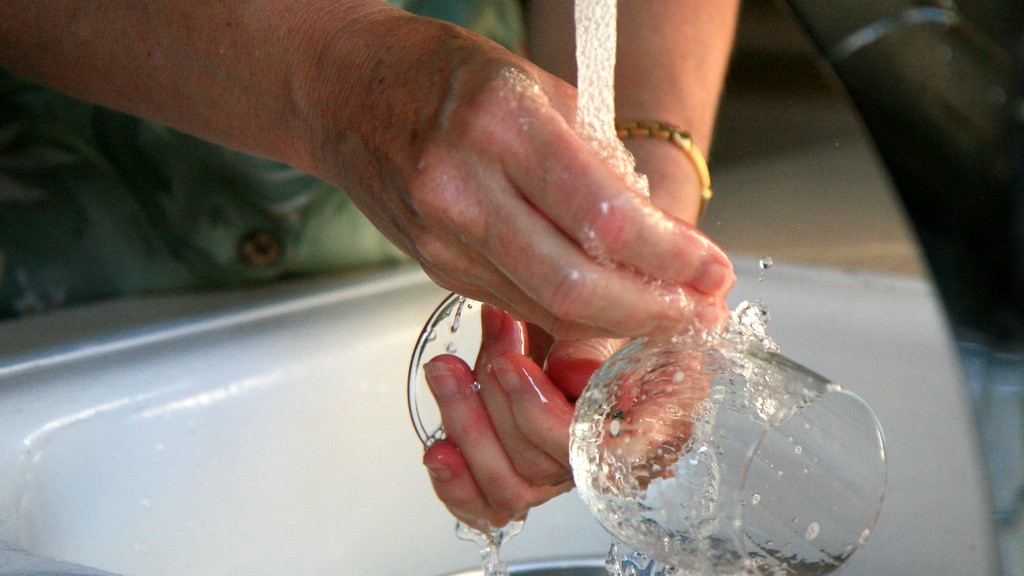
A new study out of Columbia University finds that drinking water nationwide—and in Illinois—continues to be contaminated with arsenic. This is especially prevalent among smaller community’s water supplies, often in rural areas. The study found that 12 water systems in Illinois, serving over 4,000 people, exceeded the U.S. Environmental Protection Agency (EPA)’s maximum contaminant standard
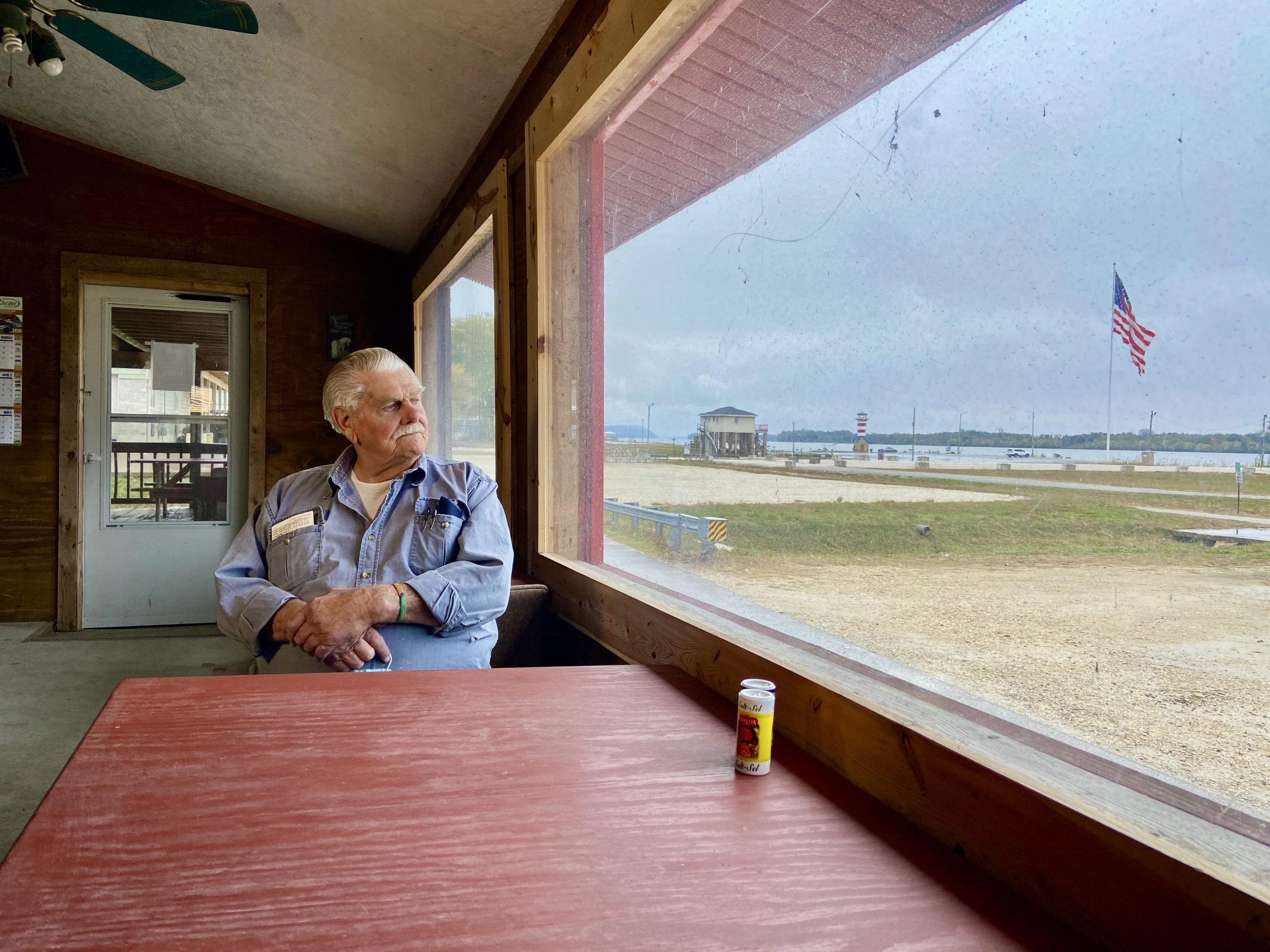
Scientists say climate change is already here, and it’s causing more frequent storms and flooding. Illinois Newsroom’s Lecia Bushak traveled to Grafton, where the Illinois and Mississippi Rivers come together to see how the town is still dealing with the physical and mental health effects of a devastating flood in 2019. GRAFTON – In the

URBANA – The University of Illinois published the latest version of its Illinois Climate Action Plan (iCAP) this week, and it’s officially been signed by Chancellor Robert Jones. The sustainability plan includes steps for the Urbana-Champaign campus to achieve carbon neutrality — reaching net zero carbon dioxide emissions — by 2050. iCAP outlines a to-do
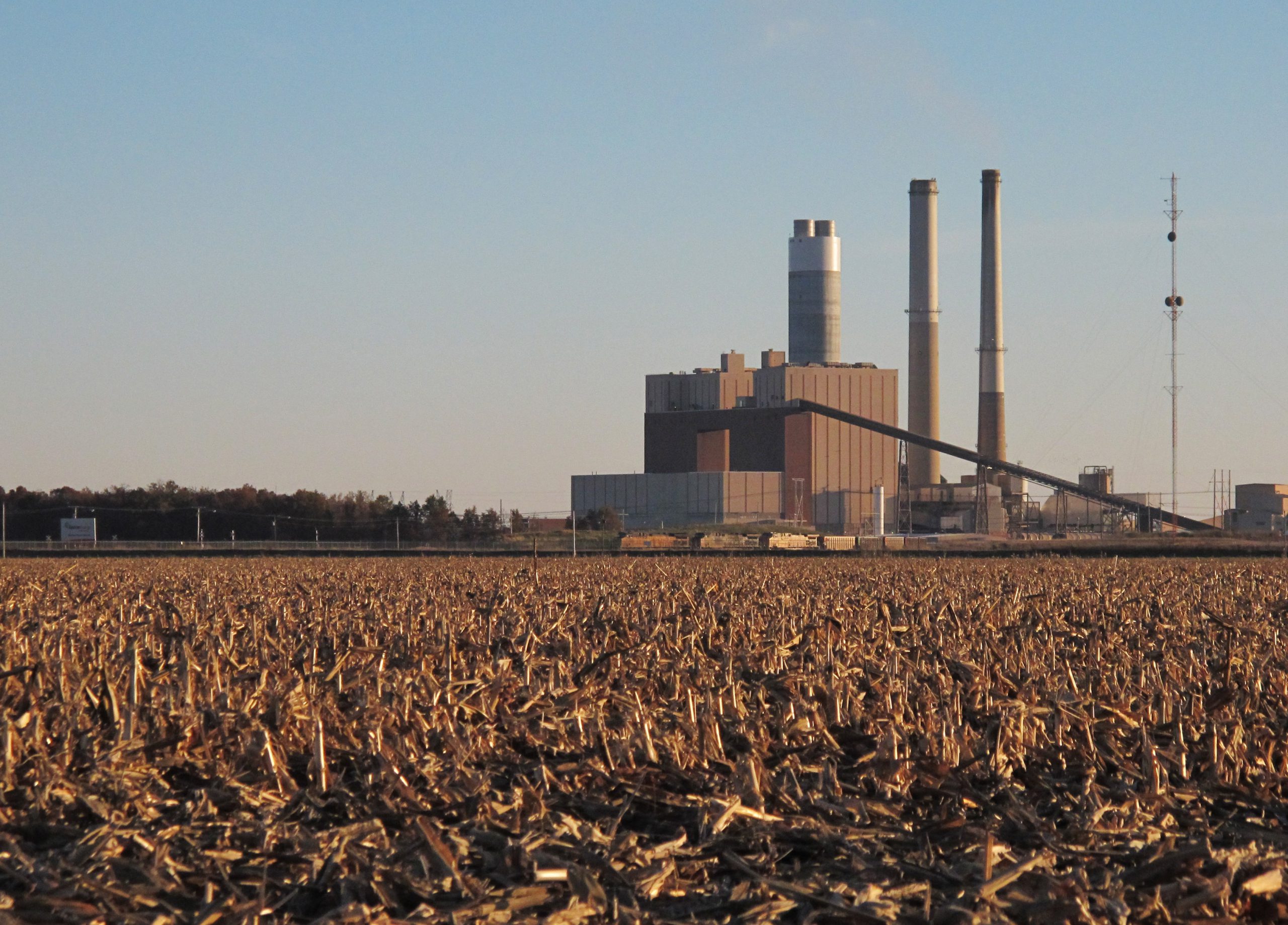
CHAMPAIGN – Texas-based company Vistra Energy announced it would close its remaining coal-fired power plants in Illinois within the next decade, taking a step toward clean energy. The plants scheduled to be shut down include Joppa Steam, Kincaid, Baldwin and Newton. The latest closures follow previous coal plant shutdowns in Illinois in recent years—including in
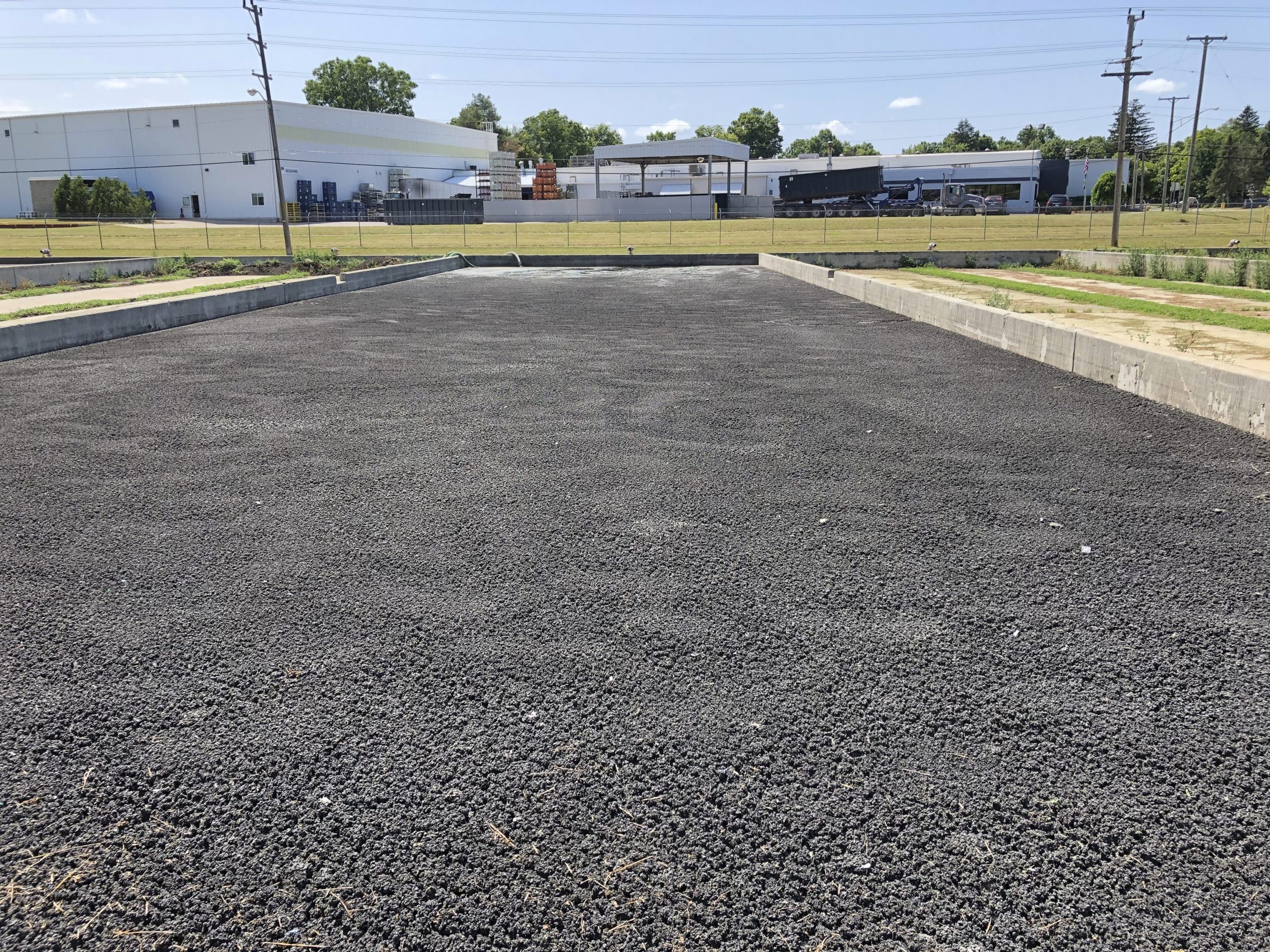
SPRINGFIELD – The Illinois Environmental Protection Agency (EPA) announced this week that it will begin testing all community water supplies in the state for polyfluoroalkyl substances, or PFAS—harmful chemicals found in firefighting foam, food packaging and household products that can leak into drinking water. This is the Illinois EPA’s first widespread sampling effort to monitor PFAS in

URBANA — University of Illinois researchers have proposed investing in a micronuclear reactor to help fight carbon emissions—and reach a goal of making the Urbana-Champaign campus carbon neutral by 2050. The proposed micronuclear reactor would contribute about 13% of campus energy and help reduce the university’s carbon footprint. The proposal is being submitted to the
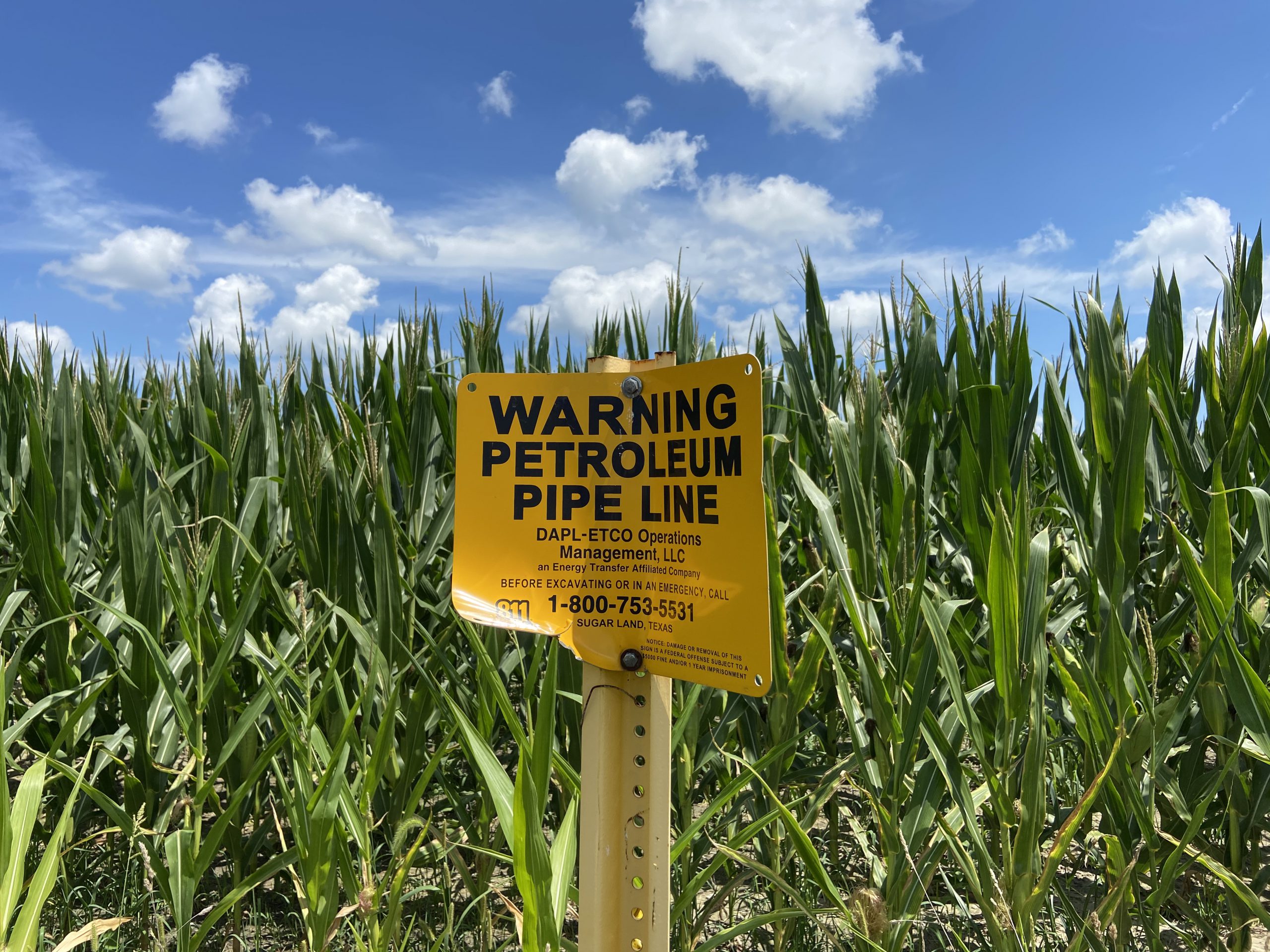
PATOKA – This summer, a district court ruled the Dakota Access Pipeline had to be shut down until a more thorough environmental review was done. That ruling was recently overturned, with the pipeline allowed to operate indefinitely. But multiple court battles continue. Reporter Lecia Bushak traveled to south-central Illinois to look into one of the
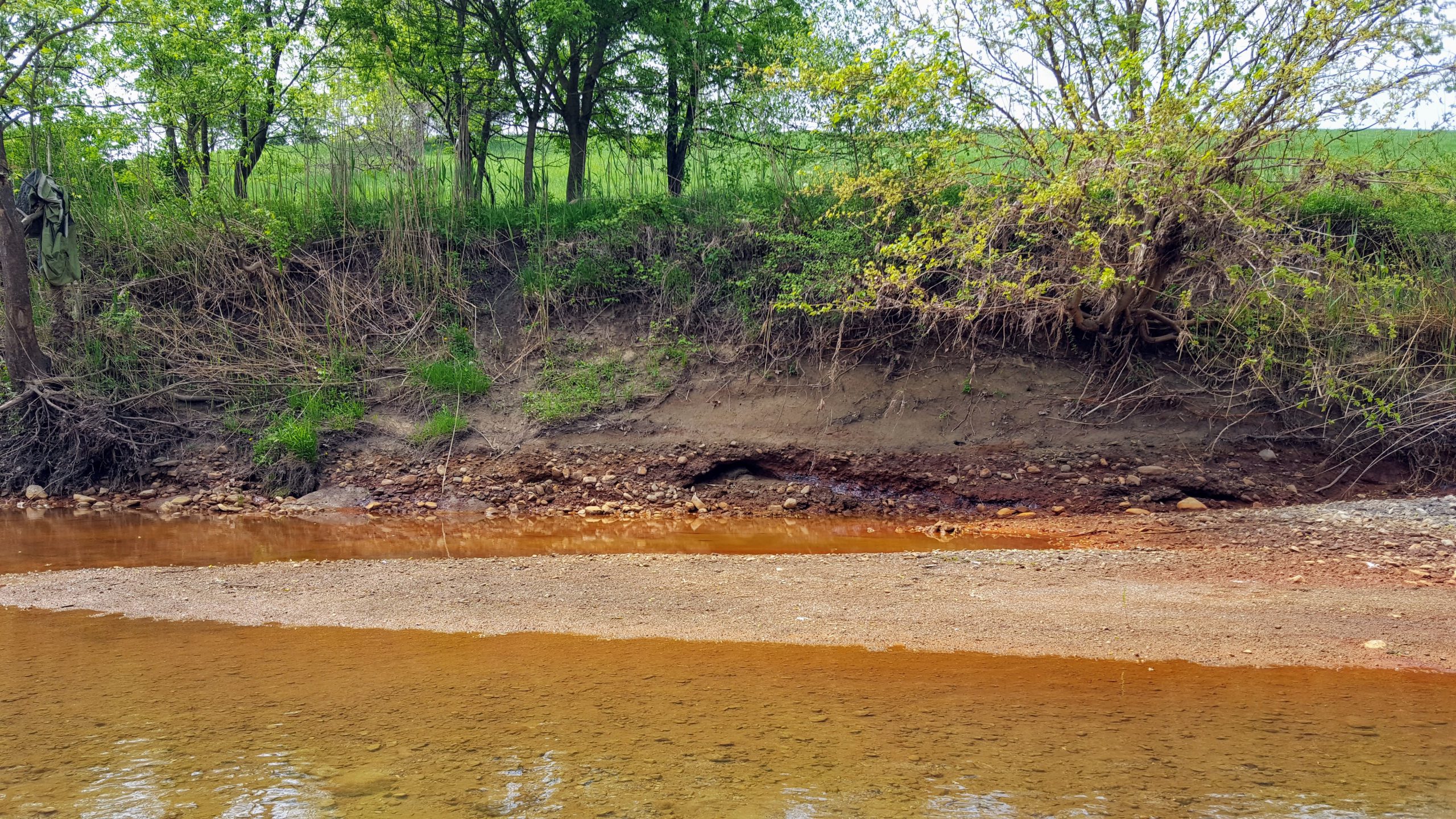
SPRINGFIELD – The Illinois EPA (IEPA) testified last week in defense of proposed coal ash rules before the Illinois Pollution Control Board and the public. The rules would specify how the agency cleans up sites under the Coal Ash Pollution Prevention Act passed last year. That includes the cleanup and closure of coal combustion residual
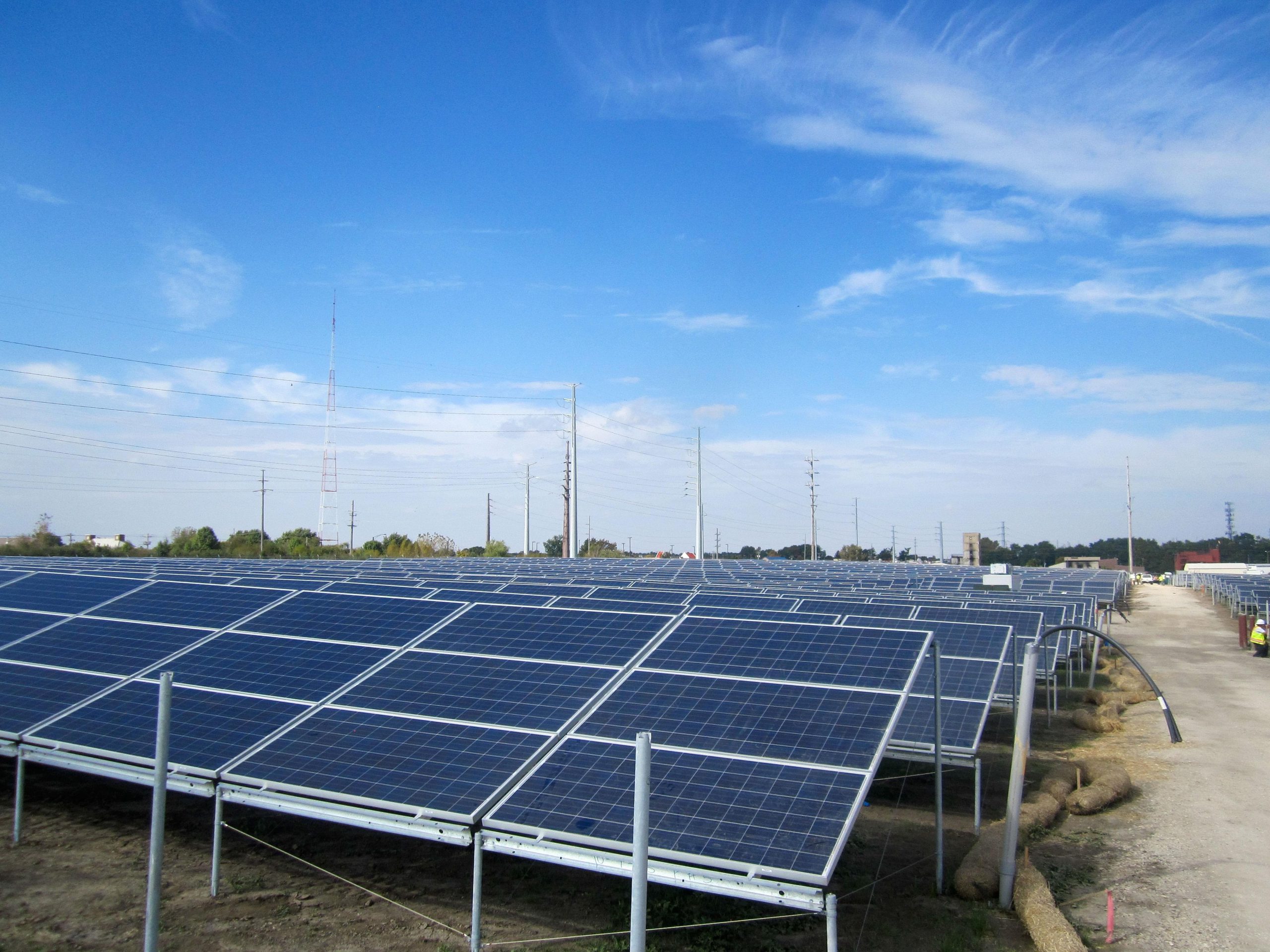
The University of Illinois has begun construction on its second solar farm, as part of its long-term plan to expand renewable energy and become carbon-neutral by 2050. The new solar farm will provide 20,000 megawatt hours per year to the U of I campus—the equivalent to powering around 2,000 average homes. The project follows the
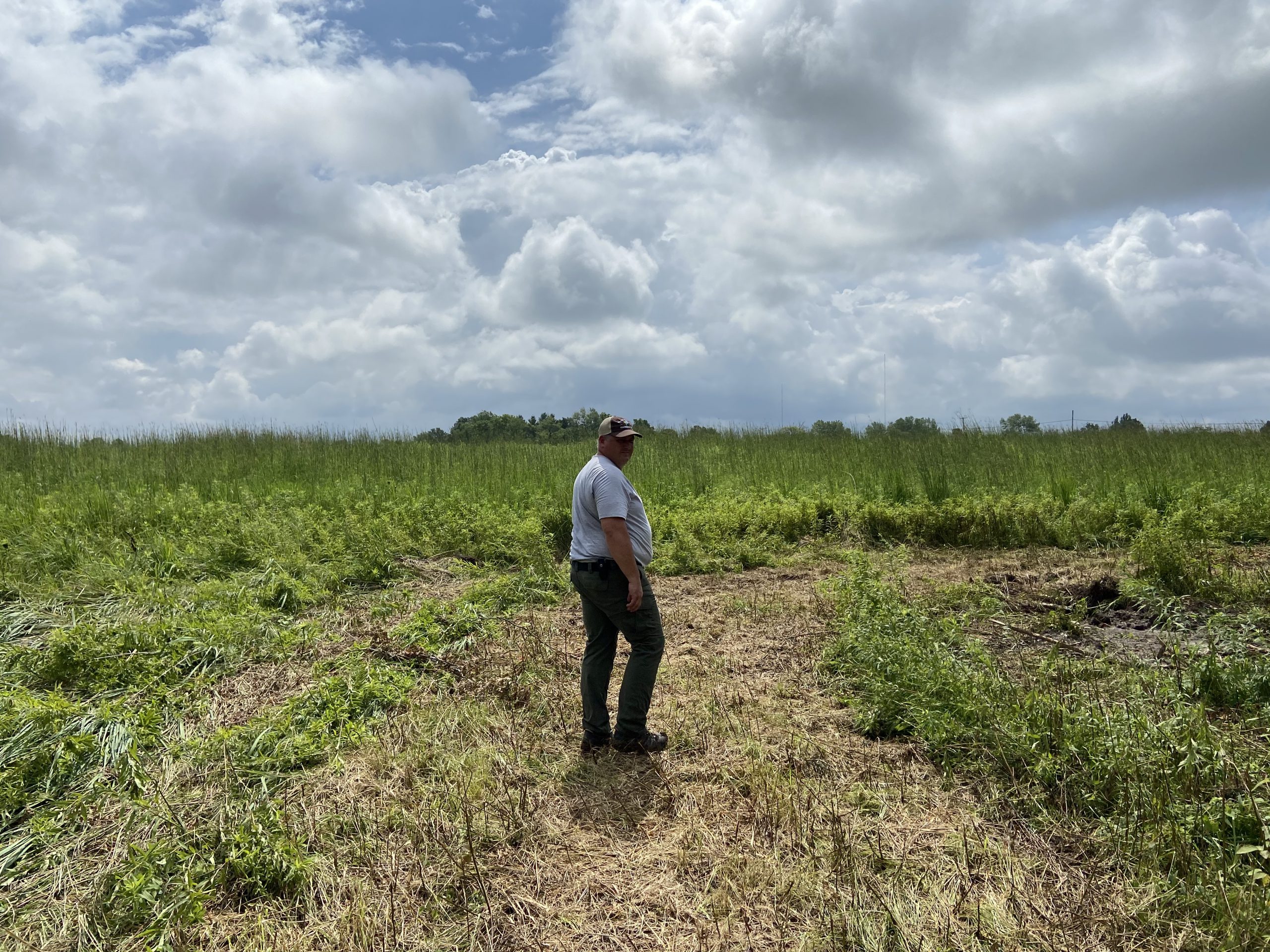
DECATUR – Workers cut down a large tree at Rock Springs Conservation Area in southwest Decatur. They’re clearing invasive tree species to make way for re-seeding something that is now rare in Illinois—native tallgrass prairie. Less than one-tenth of 1% of Illinois’ native prairie still exists. According to the Illinois Department of Natural Resources, Illinois
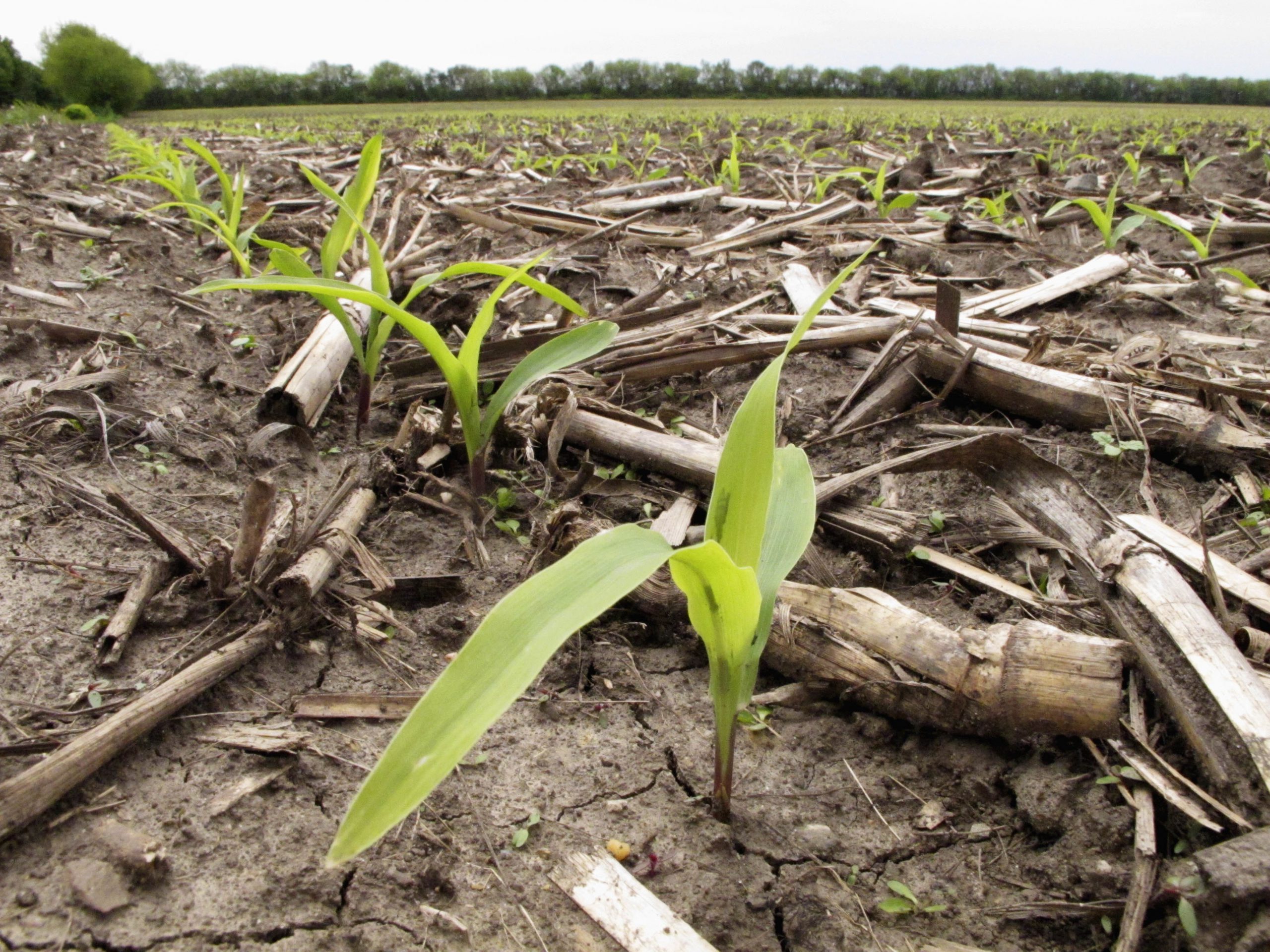
CHAMPAIGN – Nitrate levels in Illinois drinking water continue to be an environmental health issue and in some areas are increasing, according to a new report from the Environmental Working Group (EWG). The analysis gathered data on 10 largely agricultural states—including Illinois, Kansas and California—and found that many small, rural water systems have potentially unsafe
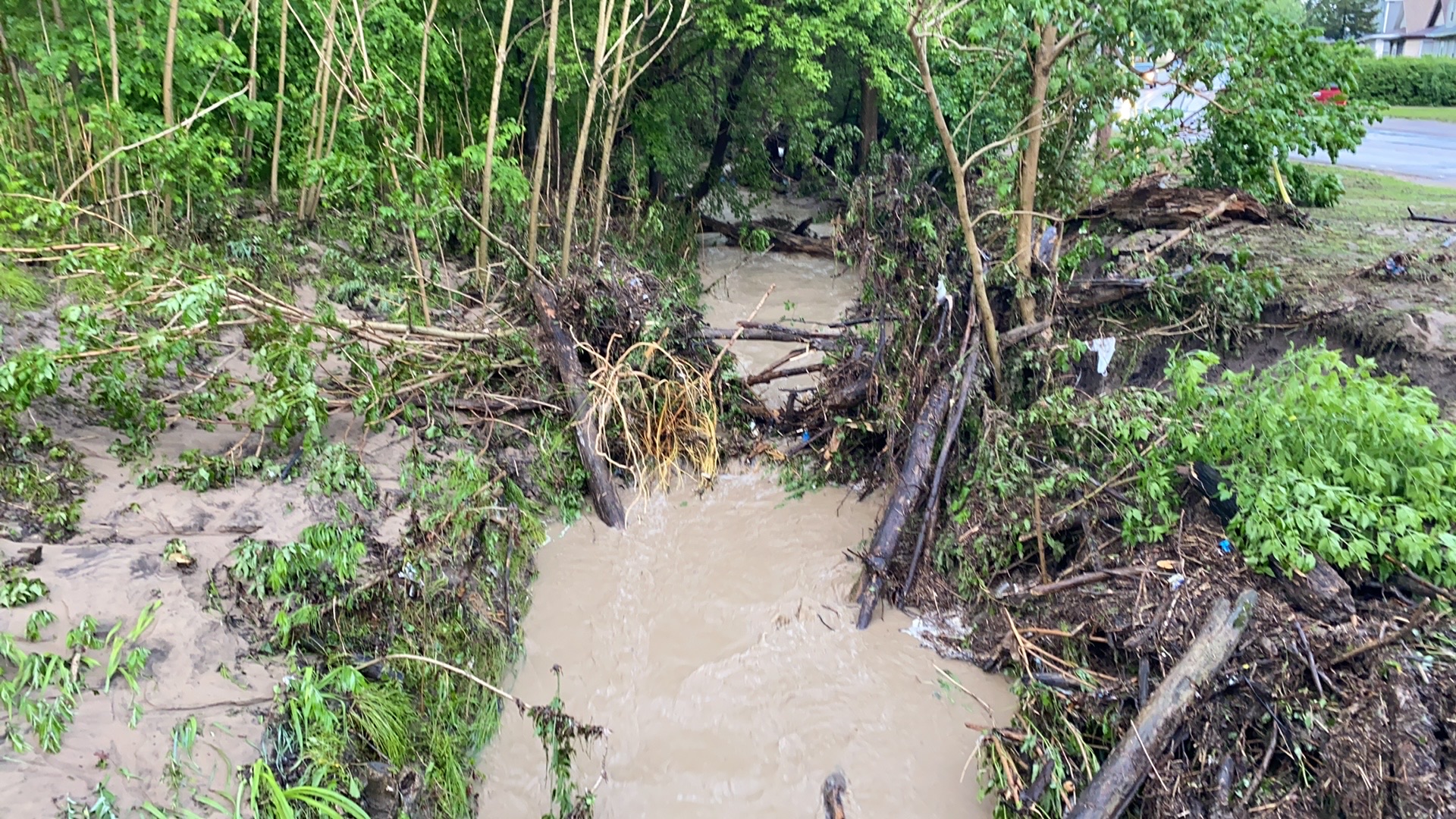
DePUE – This year’s spring brought high precipitation levels across the state, and each year flooding remains a concern along the state’s rivers. Environmental advocates argue that increased flooding is just one of the results of climate change that tend to impact people of color and low-income communities more severely. One example of that is
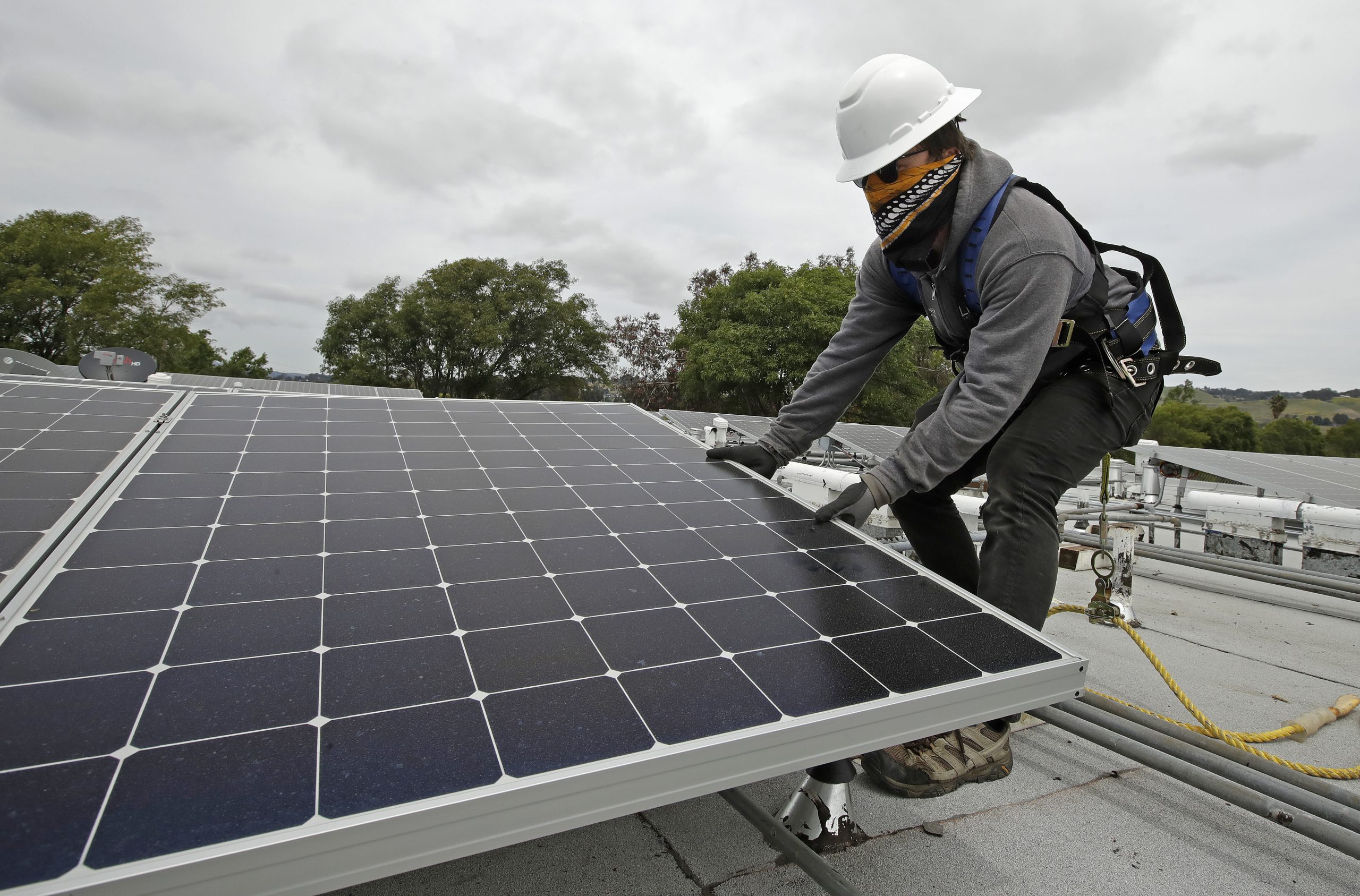
Tony Martin and his wife moved back to their hometown of Teutopolis, Illinois, about a year ago to start a small solar company just as the industry was taking off in the state. “My wife and I had always envisioned moving back to Illinois,” Martin says. “Now that solar came to Illinois, I felt like,
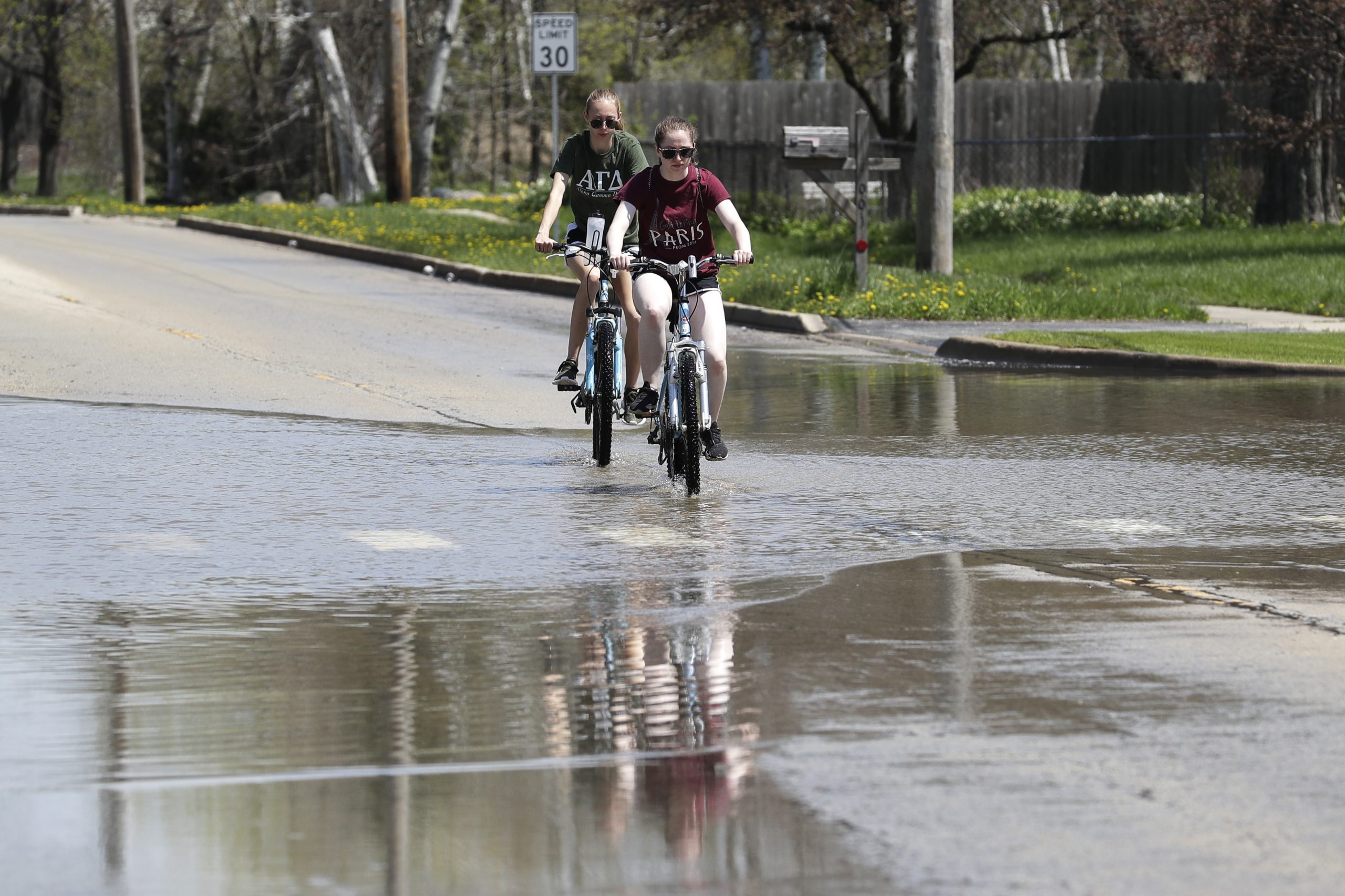
Last year, Illinois saw record-breaking flooding across most of the state, and this spring’s recent heavy precipitation is causing communities near the Illinois River to prepare for further rises in water levels in the coming days. Floods in Chicago last week and flood risk along the Illinois and Mississippi Rivers are another sign of growing