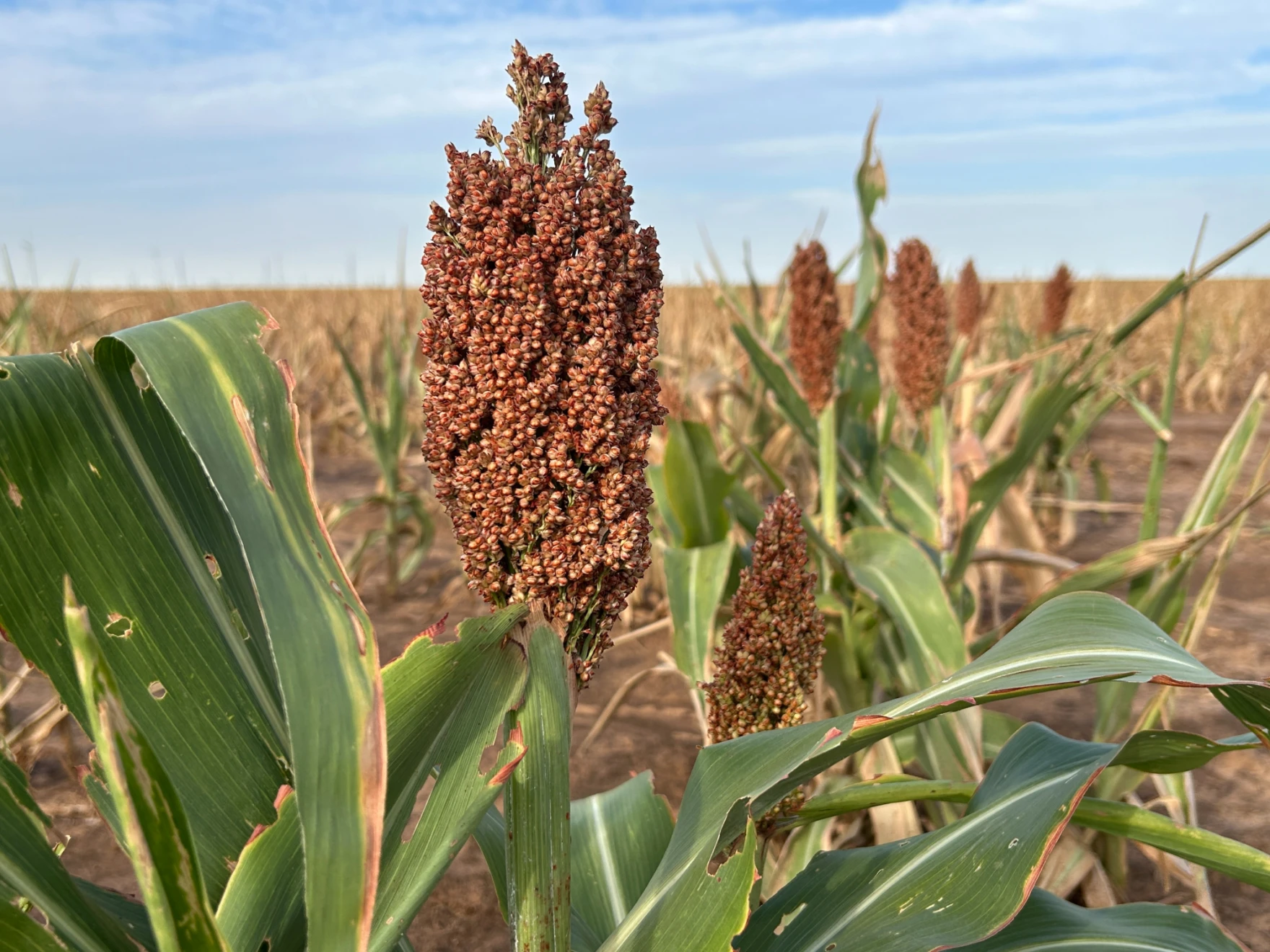
This grain could be an answer to drought-prone fields – if more Americans eat it
More farmers are showing interest in sorghum, a drought-tolerant grain. The crop is poised to expand in the U.S. – especially if Americans start consuming it.


More farmers are showing interest in sorghum, a drought-tolerant grain. The crop is poised to expand in the U.S. – especially if Americans start consuming it.

Harvest season is nearing for many farmers. But the railroads that transport their harvested grain have raised their shipping costs with record-high diesel prices. That could mean lower grain prices for growers.
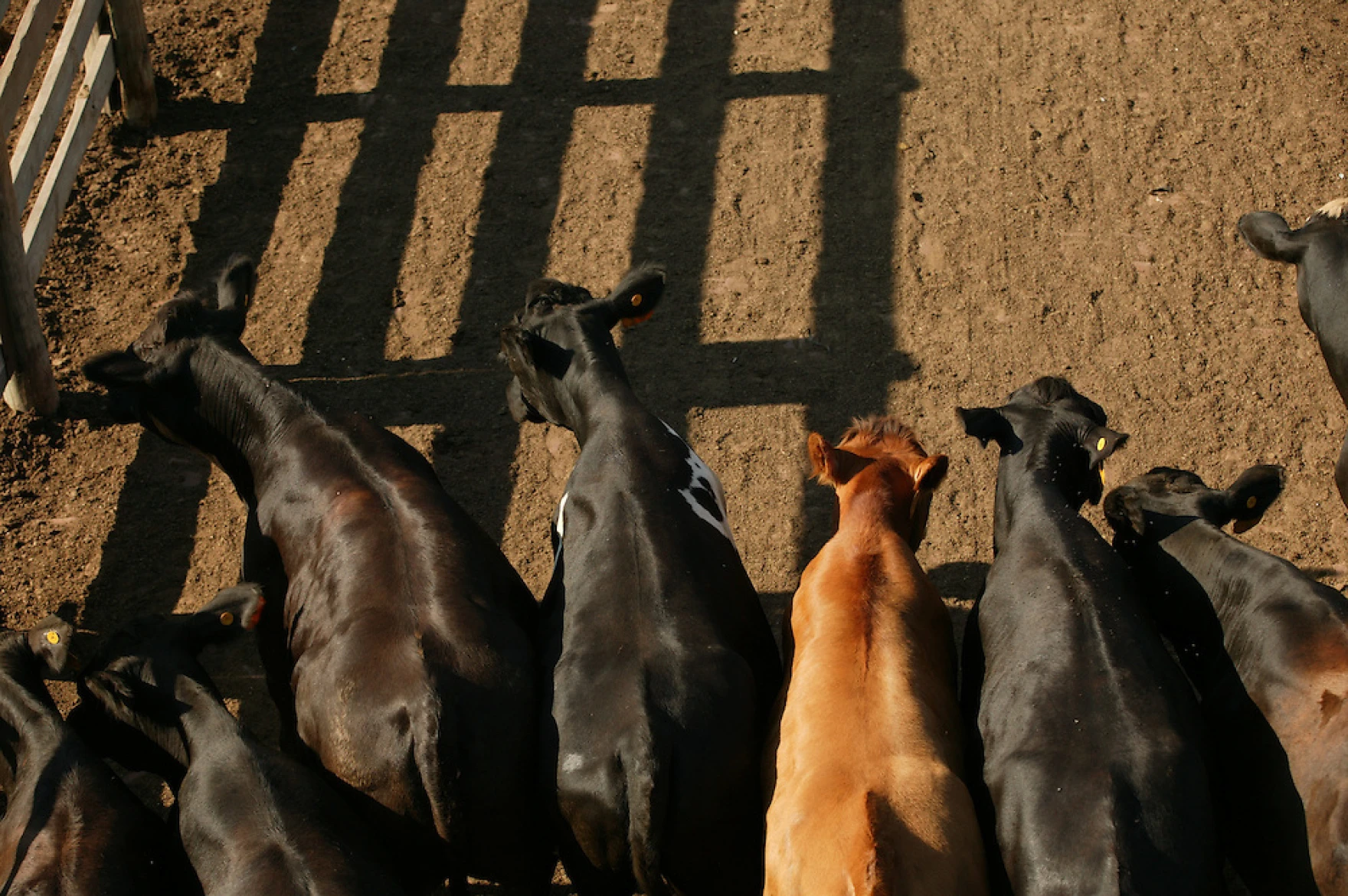
Cattle industry groups in Oklahoma, Kansas and Texas say U.S. Immigration and Customs Enforcement activity is resulting in delays and workforce disruptions.
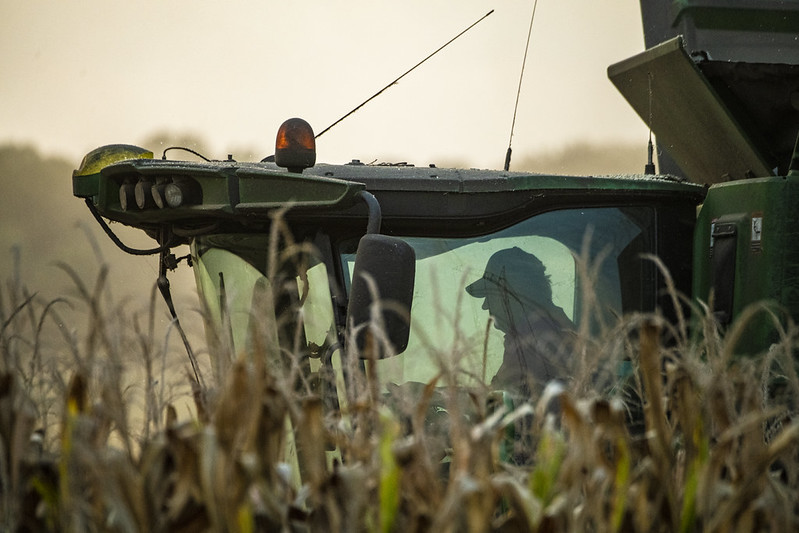
Conflicts in Iran and Russia are causing diesel prices to spike globally. That’s especially hurting U.S. farmers as they head into harvest season, the most fuel intensive period of the agricultural year.
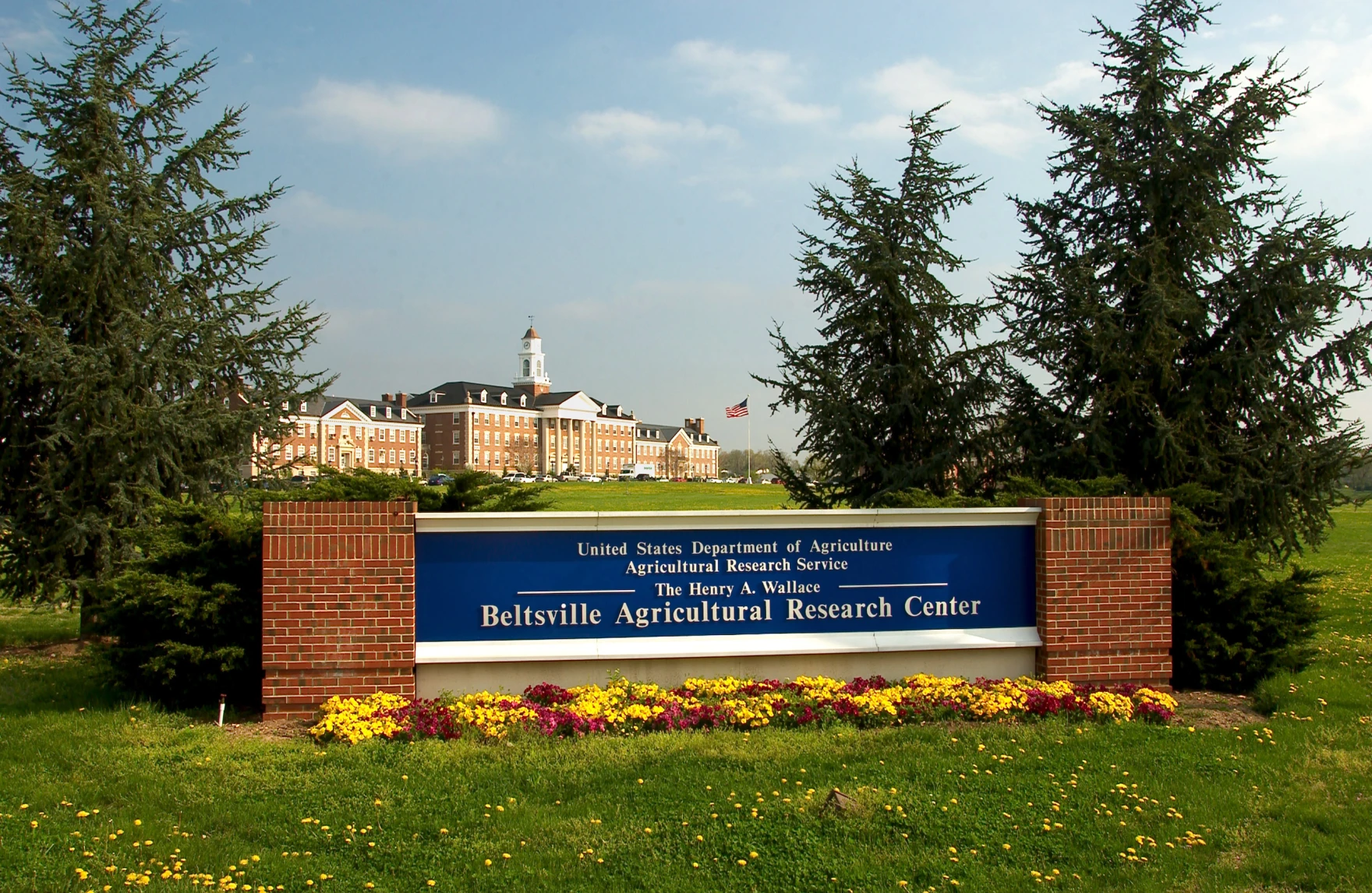
Federal scientists are still scrambling to find new jobs or relocate across the country as Maryland’s Beltsville Agricultural Research Center’s last days of operation approach. Even as their personal lives upend, employees are concerned that BARC’s legacy of impactful research will be left behind.
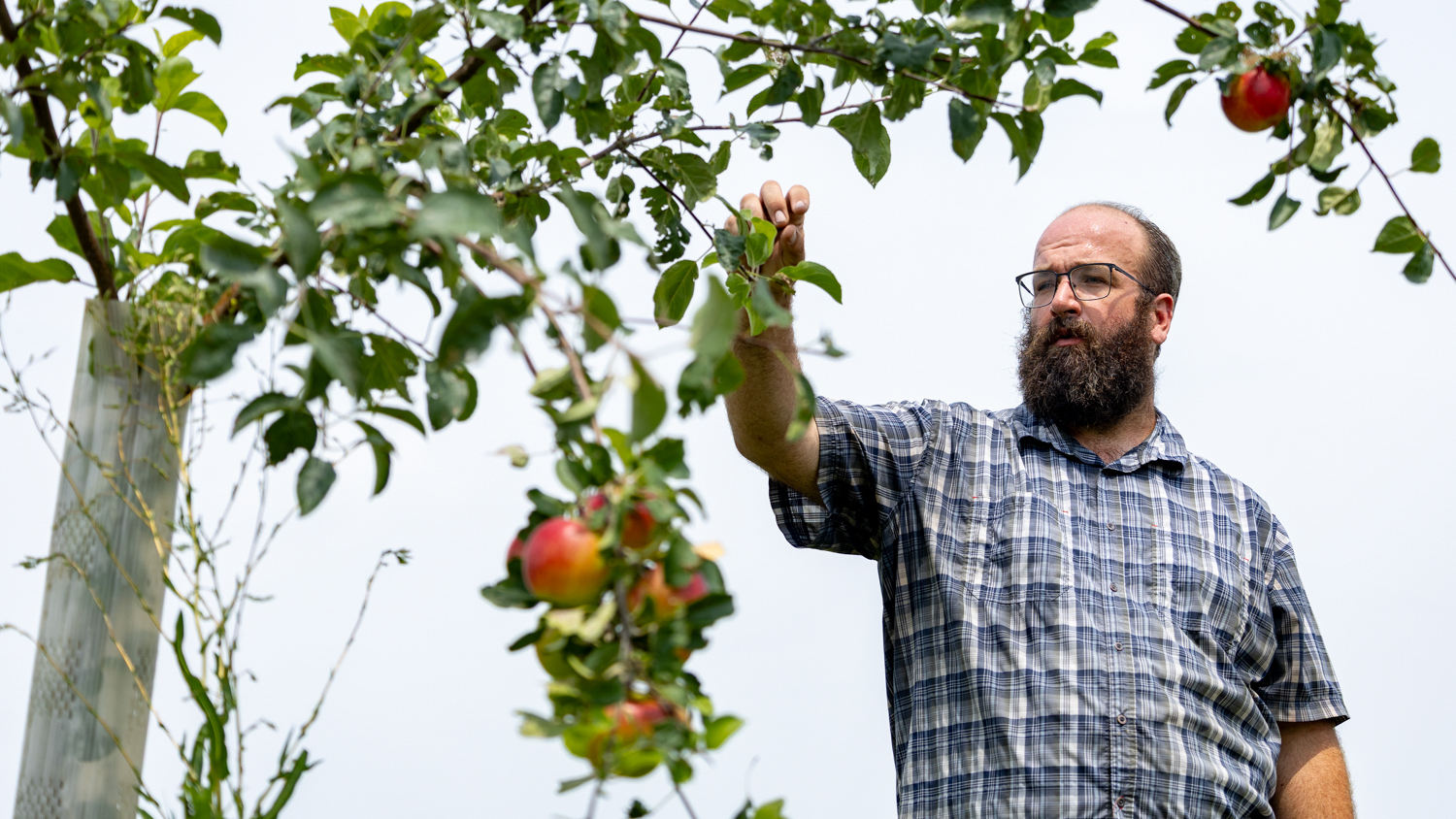
The Natural Resources Conservation Service lost nearly a quarter of its staff nationwide in 2025 after the Trump administration’s cuts to the federal government. Many were local experts that help farmers with soil and water conservation efforts.
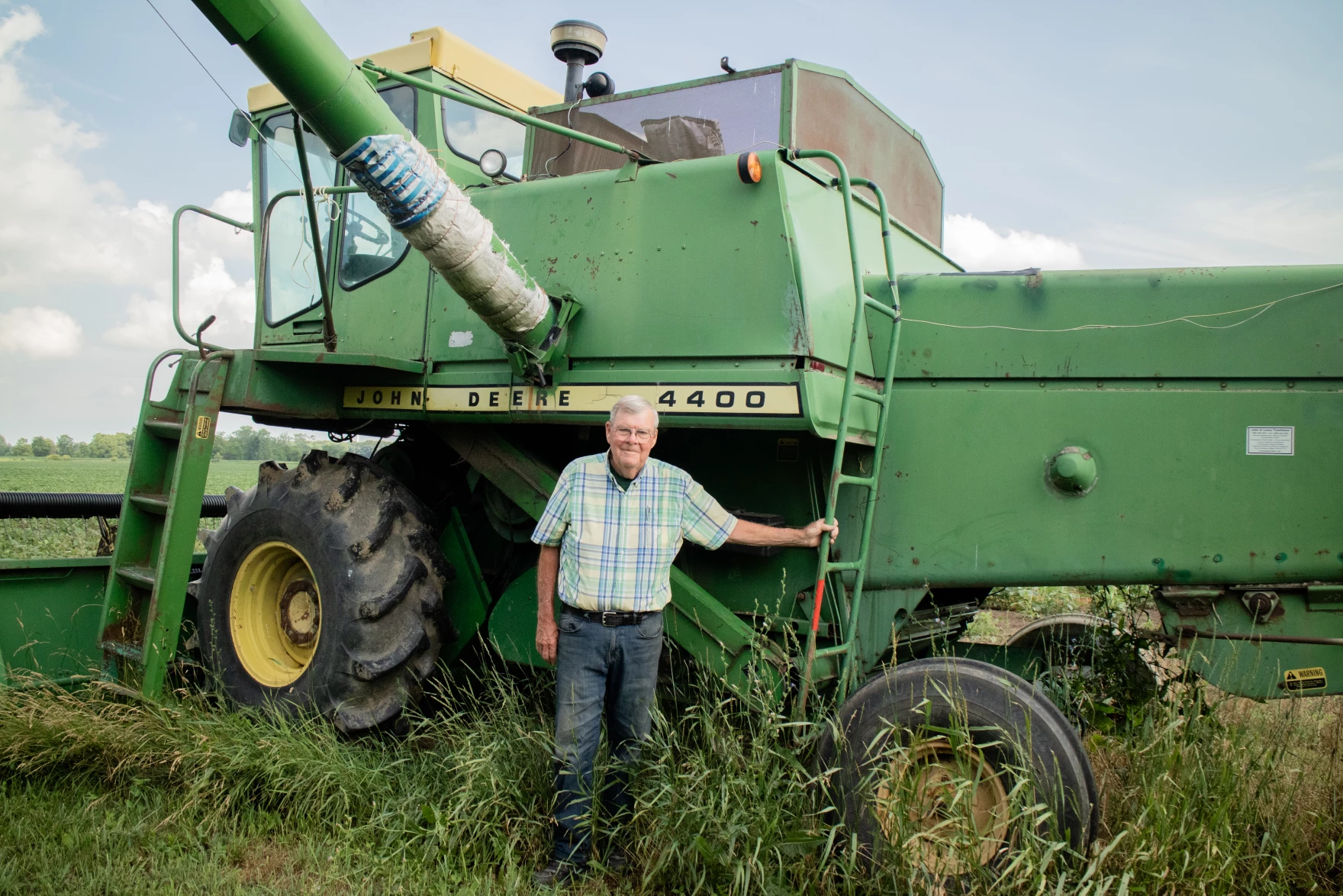
More farmers are opting to repair old tractors, combines and other machinery instead of buying new upgrades. A tough farm economy and historically-high equipment prices are at least partly to blame.

U.S. Geological Survey researchers developed models to better understand the timing and sources contributing to nutrient pollution in streams and rivers. They say their findings can help guide efforts to improve water quality.
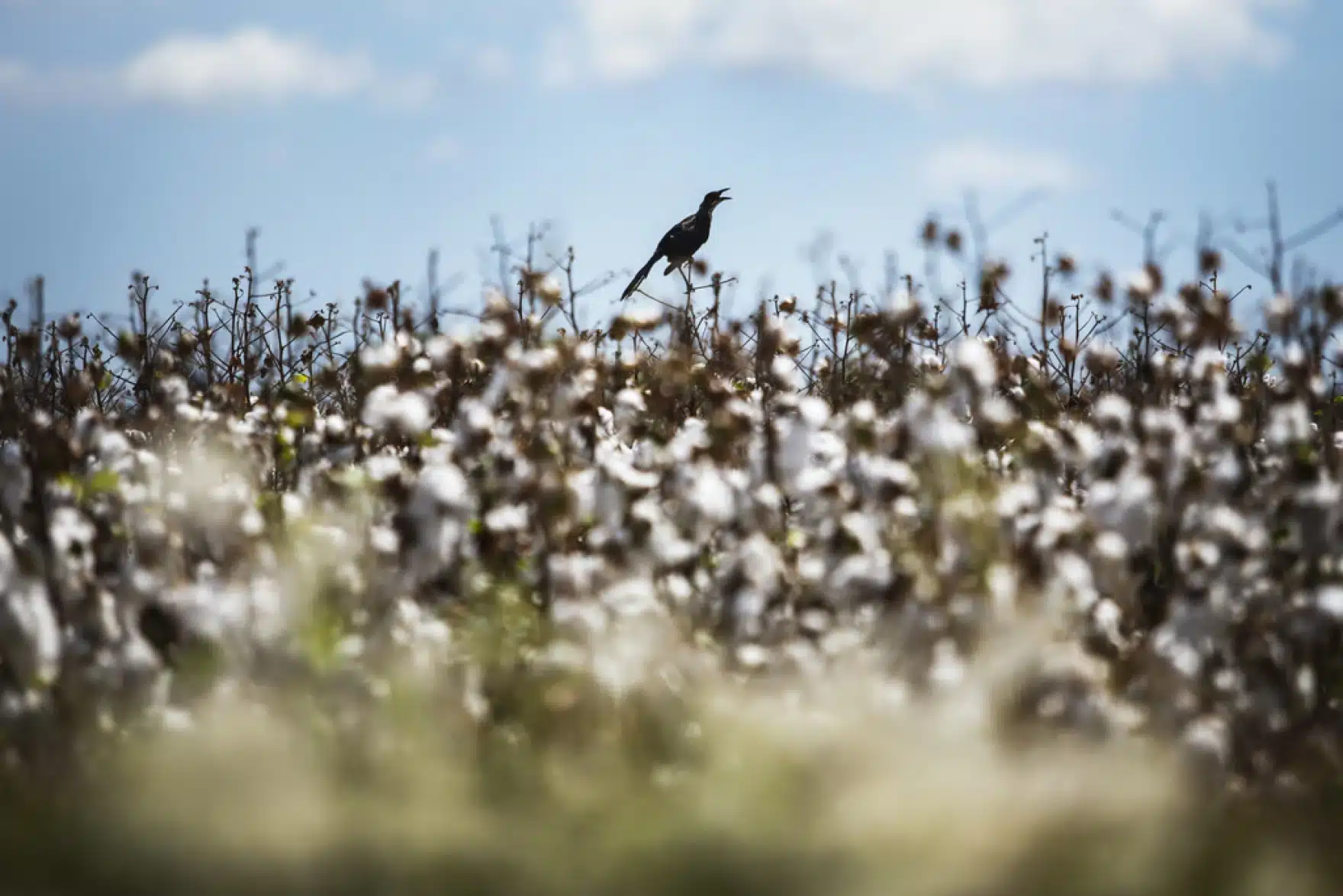
Fewer people are buying cotton thanks to the rise of synthetic fibers like nylon and polyester. Now, the U.S. cotton industry wants to boost demand for American-grown cotton with tax credits and marketing campaigns.

Passing on the family farm to the next generation is typically an involved process, both financially and emotionally. A turbulent agricultural economy the past few years has made that transition even more difficult.
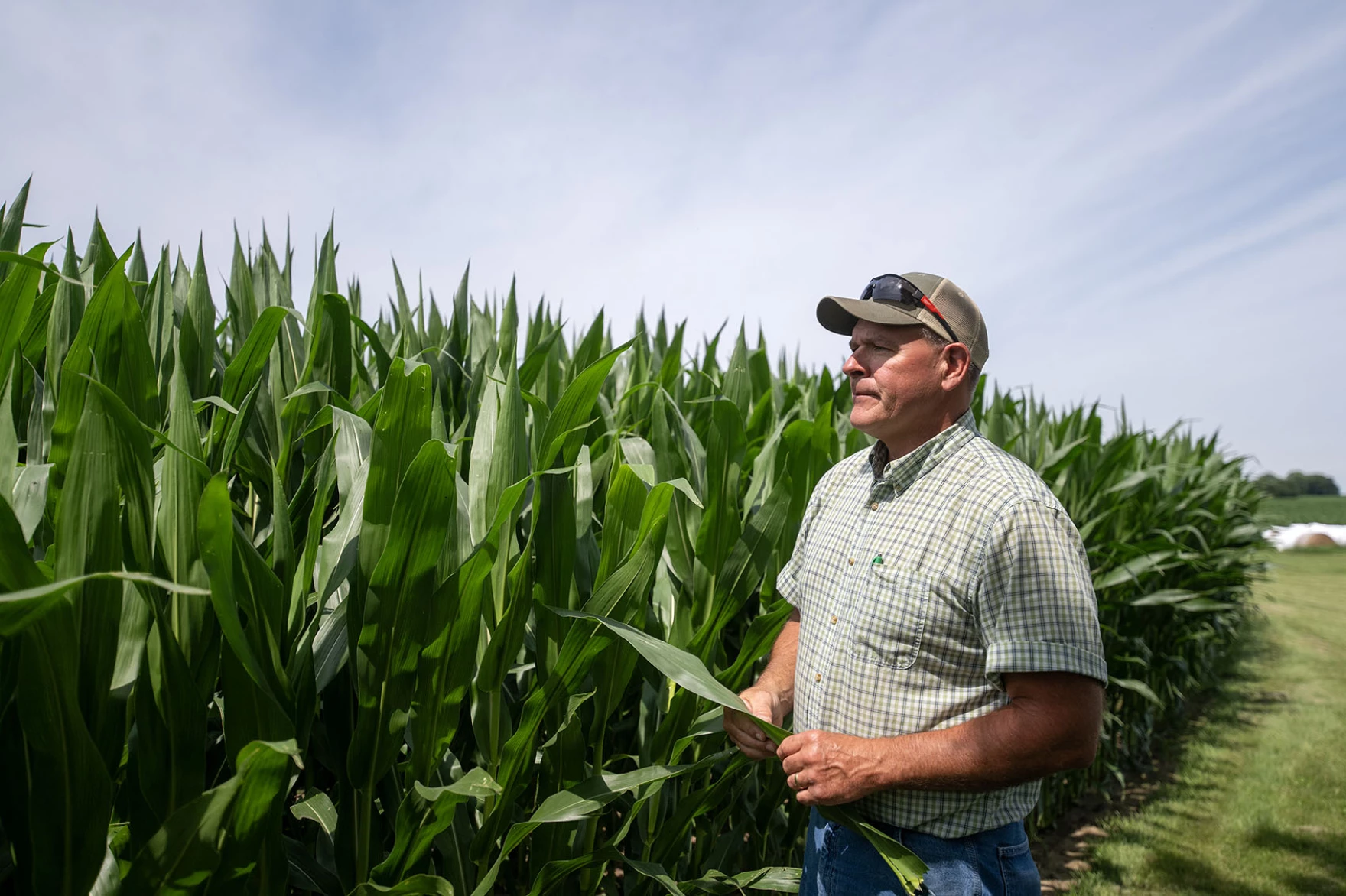
Corn and soybean growers have seen several years of low commodity prices and increased costs for supplies like fertilizer and fuel. That has many farmers worried about whether they’ll turn a profit this year and drawn some comparisons to a dark time in American agriculture.

Attorneys say cases that claim the popular weedkiller causes cancer will have to change course to move forward in court after the U.S. Supreme Court sided with the agriculture company last month.
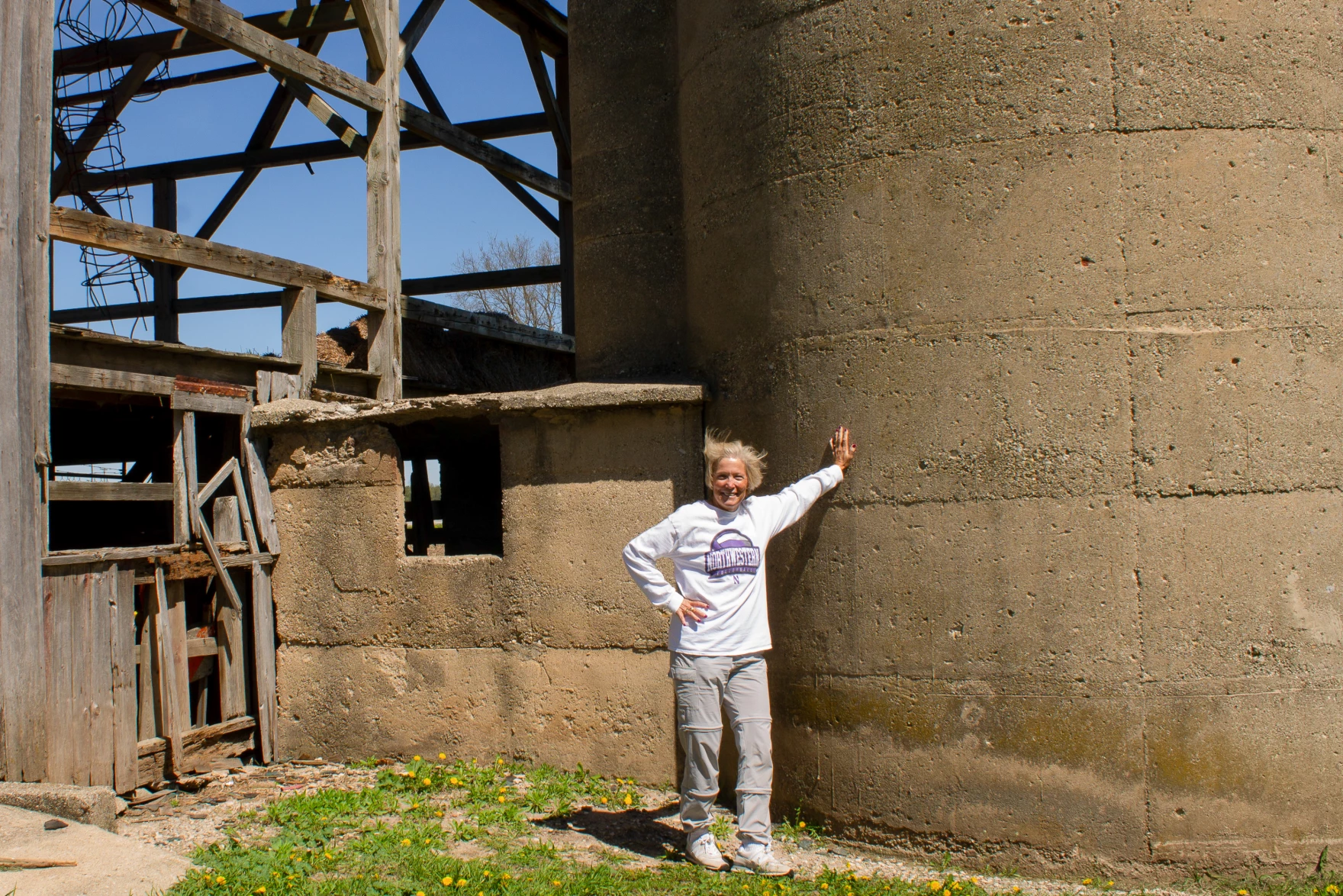
For 150 years, silos have been a fixture of the Corn Belt, but efforts to preserve them have been haphazard.

A preliminary court order reinstated federal grants largely helping Black, Indigenous, veteran and immigrant farmers access land, which the U.S. Department of Agriculture cut earlier this year. Now, organizations are cautiously moving forward with their projects.

The Trump administration lowered tariffs on farm equipment last month. But with economic pressures on farmers, equipment dealers and manufacturers, the move may not bring much relief.