
USDA’s DEI Purge: How Trump and Rollins are reshaping American agriculture
The Trump administration is decrying diversity, equity and inclusion initiatives. The move is hurting communities and undermining its own goals for agriculture.

The Trump administration is decrying diversity, equity and inclusion initiatives. The move is hurting communities and undermining its own goals for agriculture.

As part of the “Food Routes” series, Harvest Public Media explores three big factors that affect produce prices in the Midwest and Great Plains.

Farmers who were promised funding through the federal Regional Food Business Centers have been left in limbo after the Trump administration shut down the program. The U.S. Department of Agriculture says it will honor grants the program already approved, but it’s unclear when.

The massive legislation extends tax cuts and increases safety nets for farmers who grow commodities, like corn, wheat and rice. But deep cuts to federal food assistance spending could hurt specialty growers who benefit from programs like Double Up Food Bucks.

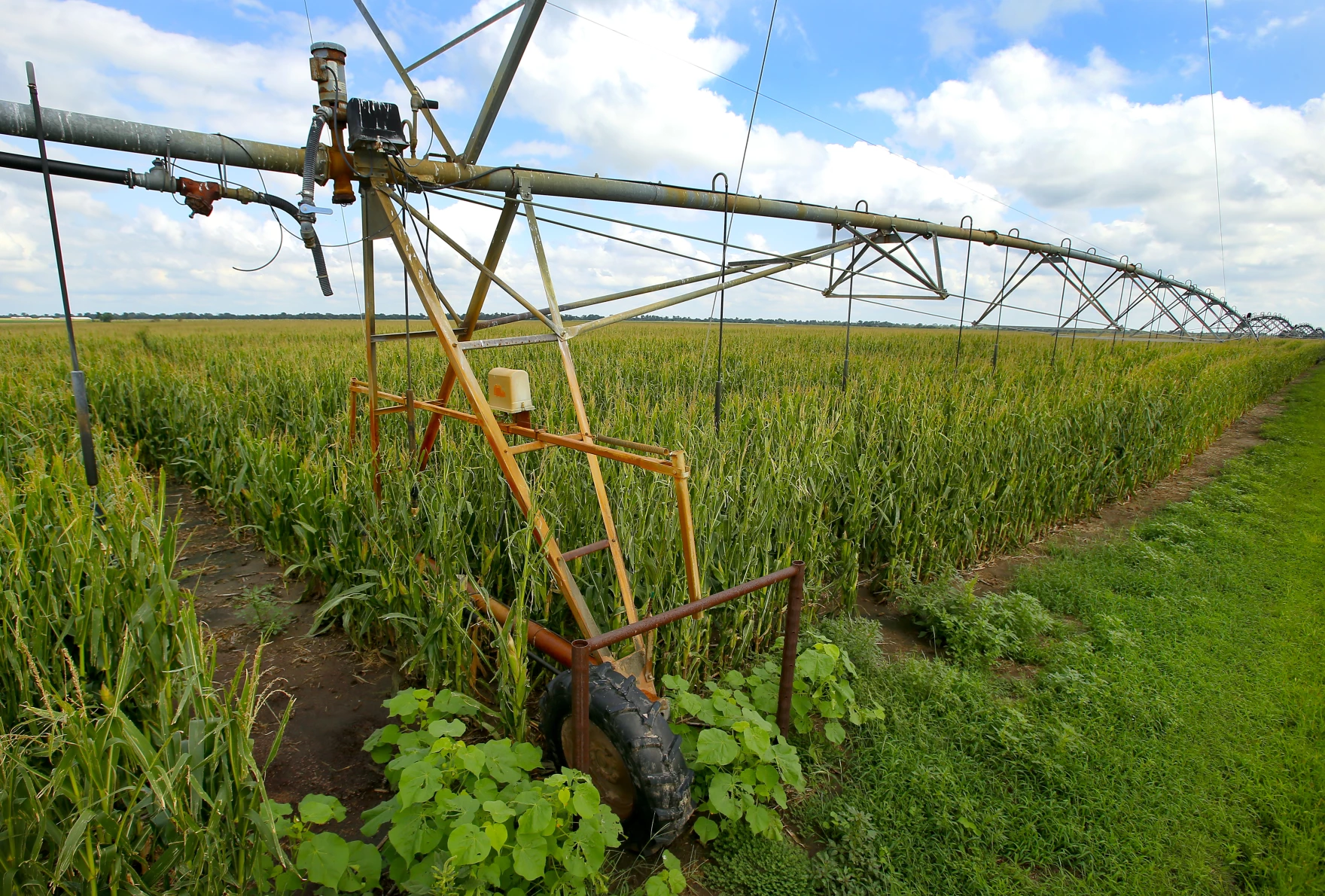
Across much of the Midwest, the atmosphere is becoming warmer and retaining more water, leading to heavier downpours. A two-crop system called relay intercropping could help farmers buffer weather whiplash and boost profits.

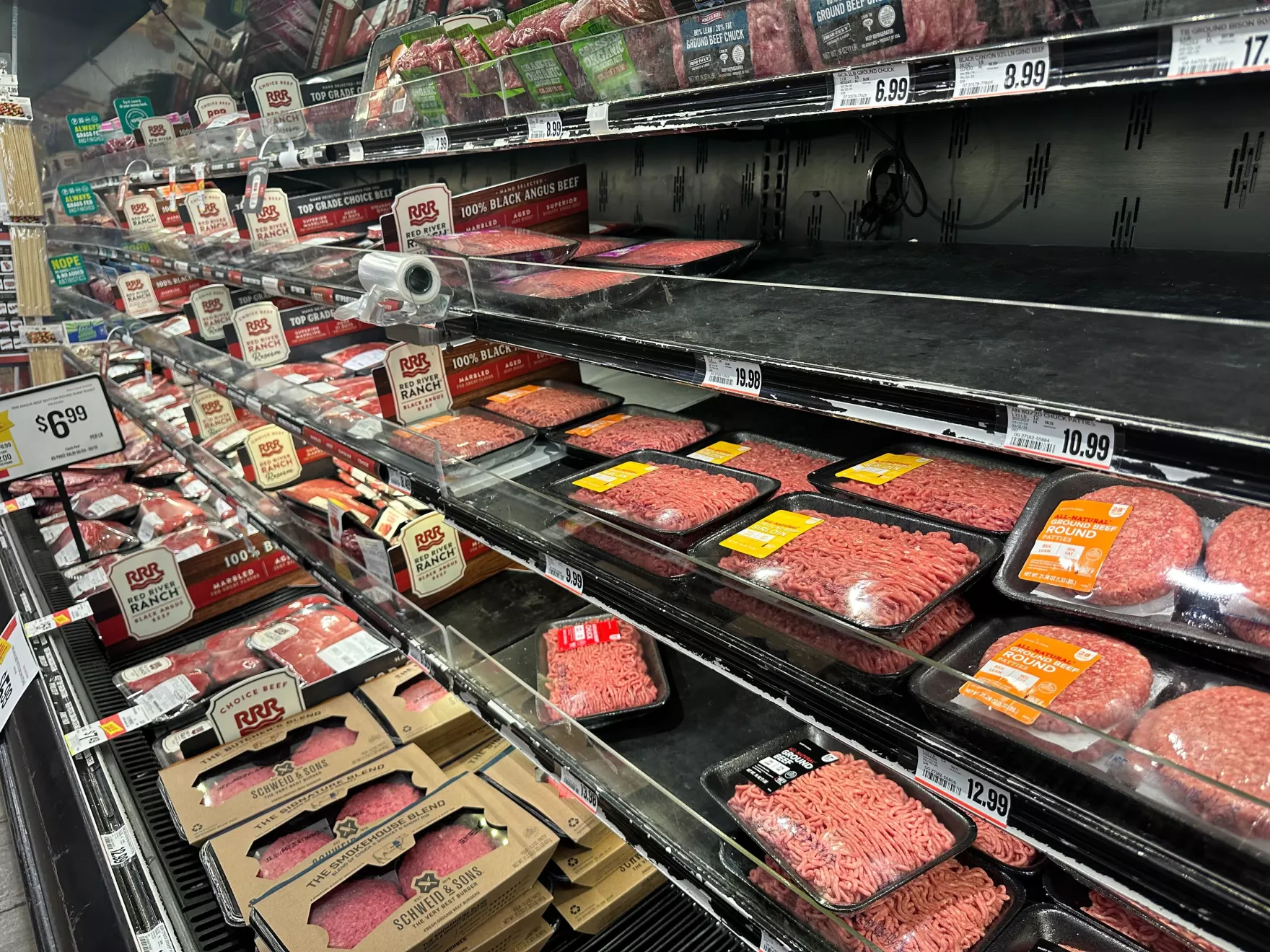
Shoppers are seeing record high beef prices at the grocery store. That’s in part because the number of cattle in the U.S. is at an all-time low, while consumer demand has remained strong.

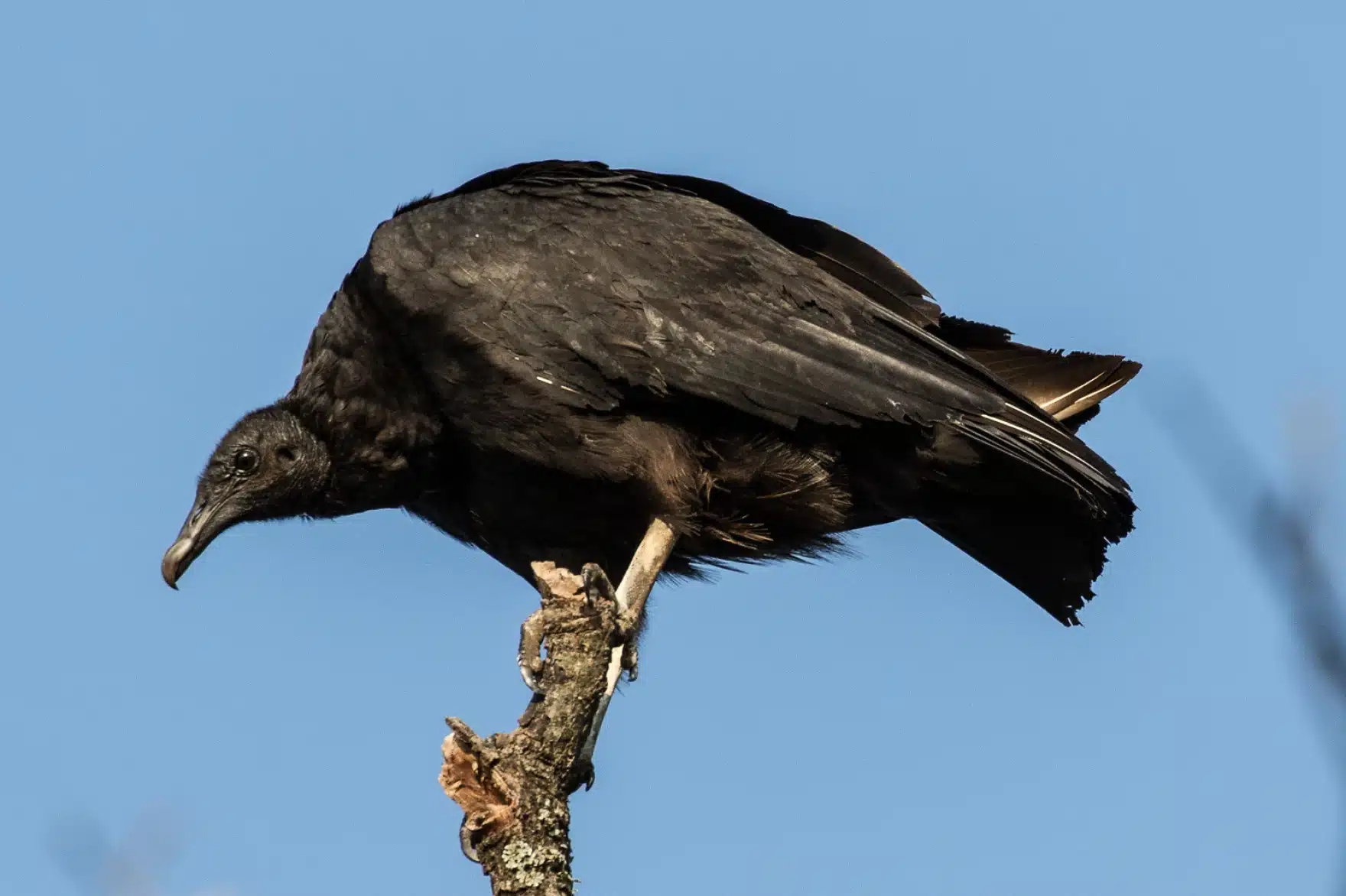
Black vultures have a reputation for killing newborn livestock, which can be a problem for ranchers in the Great Plains and Midwest. Legislation efforts aim to remove permit requirements for farmers to shoot or capture the birds.

Farmers continued to take on more debt through the first quarter of 2025, prolonging a trend from last year. That’s as farm incomes have shrunk over the last couple of years, and some worry President Trump’s tariffs could make economic conditions tougher.

10 days after taking office, the Trump administration decided to hold off on a $38 million investment that the energy department had previously boasted could save farmers $6 billion in fertilizer spending.

The Closing Market Report turned 40 years old this year.

Farmers, nonprofits and state agencies received almost $3 billion in grants from the Inflation Reduction Act in Missouri, Iowa, Kansas and Nebraska. But recent federal funding freezes have recipients concerned they won’t end up receiving money.

The Illinois Farm Bureau is concerned about harm to the state’s farmers from potential tariffs on the United States’ top three agricultural trading partners: Mexico, Canada and China.

The amount of American cropland, pastureland and forestland owned by foreign investors continued to increase in 2023, according to a recent analysis by the American Farm Bureau Federation.

Collard greens are a nutritious vegetable with a rich cultural heritage in the U.S. Now, scientists and enthusiasts are working to preserve and popularize heirloom varieties that could be tastier and more climate resilient than common grocery greens.

The clock is ticking for Congress to address the expired farm bill. Several groups are urging lawmakers to get an updated bill to the finish line before the end of the year.