
When Gov. JB Pritzker delivered his annual budget address on Wednesday, he recommended Illinois lawmakers increase funding for higher education by 1% and hold funding steady for the need-based Monetary Assistance Program (MAP).
University Professionals of Illinois President John Miller said Pritzker “should be embarrassed” at the proposal, given the rate of inflation.
“The governor’s proposals to increase higher education funding by just 1% is no increase at all — it’s a cut,” said Miller, who represents about 3,000 education professionals at eight Illinois universities. “It will force already strained colleges and universities to offset the losses with tuition hikes, program reductions, and staffing cuts while our students take on more debt,”
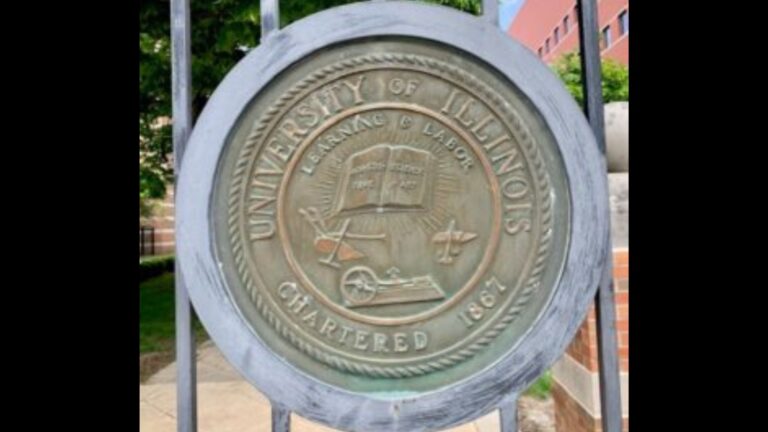
Miller pointed to a state commission that calculated in 2024 that the University of Illinois Urbana-Champaign is 90% adequately funded while most state schools are operating at 40-70% of adequate funding.
Education nonprofit Advance Illinois also called the proposal “disappointing” given inflation and the existing strains on many state schools. Both Advance Illinois and UPI urged lawmakers to pass the Adequate and Equitable Public University Funding Formula, a bill that the University of Illinois opposed last year and would add funding to all state schools, especially those with higher need.
University of Illinois System President Tim Killeen lauded the proposal for increasing funding during challenging financial times. He said that mirrors the system’s push to keep in-state tuition low over the past decade.
“It’s obvious that our governor has the same instinctive leadership position to make these opportunities affordable, accessible, wide open doors. Nobody feels left behind,” Killeen said.
Illinois is facing financial challenges from the federal government, in particular.
Catherine Brown is senior policy director at the National College Attainment Network.
A recent report by the organization projected that cuts to Medicaid and the Supplemental Nutrition Assistance Program (SNAP) in President Trump’s “One, Big, Beautiful Bill” will put state higher education funding at risk.
“It’s typically not in state constitutions, unlike K-12 education, for example. Also, colleges and universities can raise tuition, can accept more students from out of state or international,” Brown said. “State leaders sometimes decide that higher education is a good place to pull from when other options are not available.”
She also said that Illinois is one of the states hit hardest by the federal cuts.
Investing in colleges and universities drives economic growth and will pay off long term, according to Brown. But in the meantime, the state has to pass a balanced budget that meets its citizens’ needs.
Brian Mackey and Arjun Thakkar contributed to this report.