

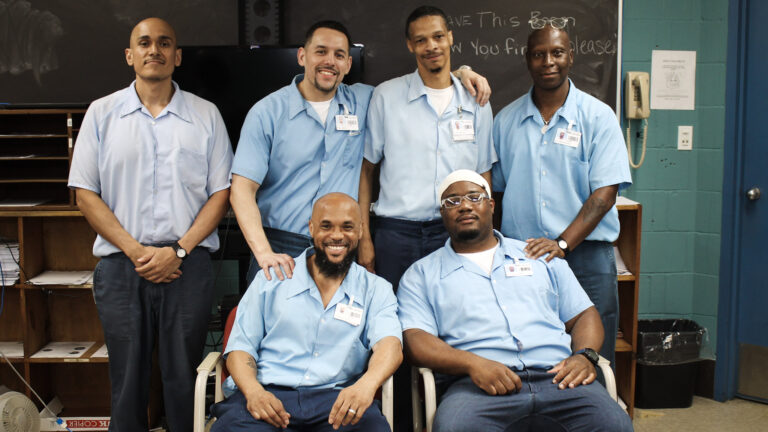
Calvin Mayfield wants to be in class all day.
Mayfield would like to take university classes, but he does not have the option while incarcerated at Pinckneyville Correctional Center in southern Illinois. He has been taking a culinary arts course in the meantime.
“Learning about how restaurants are run behind the scenes is interesting. I didn’t know it was that involved,” Mayfield said.
His classes start at 8:30 a.m. and run until 4 p.m., with a lunch break.
Many days, though, he learns one hour beforehand that class is canceled for the day.
“Culinary arts is four days a week, but there’ll be weeks where we’ll only go over there one or maybe two times because we’re on lockdown,” Mayfield said.
Under lockdowns, those incarcerated at Pinckneyville and other prisons end up being confined to their cells all day.
The reason? Staff shortages.
Psychiatrist says lockdowns are a form of torture
Since COVID-19, prisons across the United States have increasingly turned to lockdowns to handle staffing shortages.
In Illinois, the number of lockdowns has been on the rise. State prisons are now in lockdown almost twice as many days per year as they were during the pandemic.
Nearly all those lockdowns were due to administrative reasons instead of incidences of violence or self-harm.
“A staff shortage is not an excuse for abusing prisoners,” said Wright Institute Professor Terry A. Kupers.
Kupers is a psychiatrist who studies the effects of prison conditions. He recently published a book with another professor and two incarcerated writers called “Ending Isolation” about solitary confinement.
Kupers considers lockdowns a form of solitary confinement because of the isolation and lack of access to basic amenities. He noted solitary confinement for more than 15 days is considered torture, according to the United Nations.
“Time in solitary exacerbates every form of mental illness,” Kupers said. “Suicide is a big problem. Epidemic.”
Kupers has toured prisons across the country and performed psychiatric examinations on those in solitary confinement.
He said it is very common to see high rates of anxiety, panic disorder, problems sleeping and hopelessness. Those with schizophrenia had worse episodes and a worse future with the disease. Those with depression got more depressed.
Those in solitary even struggled to focus on things that could pass the time, like reading. They would tell Kupers they couldn’t remember a page they had just read.
The majority of suicides in prison happen in solitary, even though only a small percent of people in prison are in solitary at any given time, Kupers said.
“Putting prisoners in solitary confinement is clearly abuse,” Kupers said.
The Illinois Department of Corrections said in a statement it acknowledges there’s been an increase in total lockdowns and is taking steps to address the issue.
Spokesperson Naomi Puzzello said those efforts include boosting recruitment, setting up more training academies and new wellness initiatives, like staff decompression rooms in every facility.
“Our staff continues to demonstrate remarkable resilience while facing the unique demands of correctional environments,” Puzzello said.
Can peer education help?
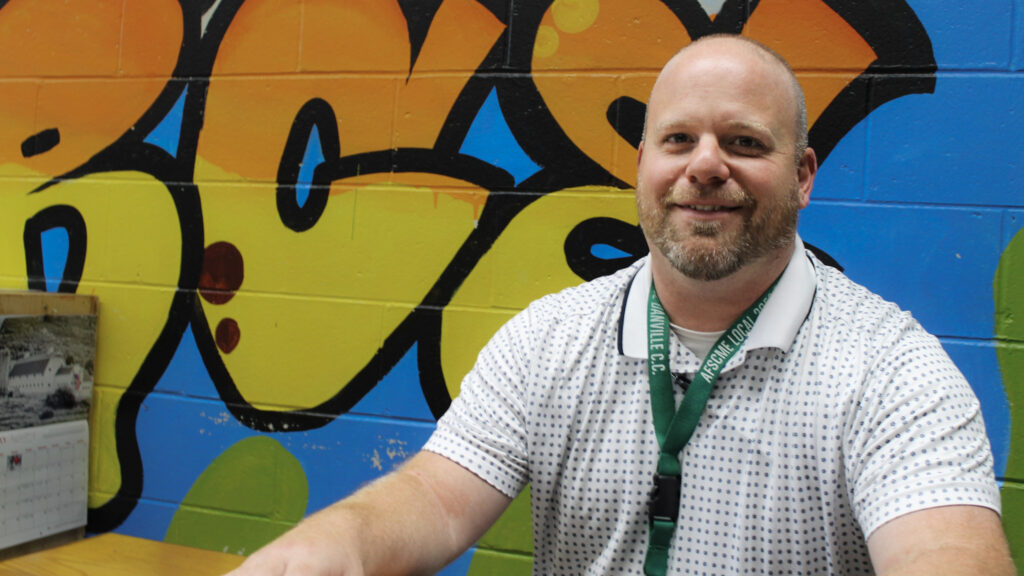
Those incarcerated at Danville Correctional Center have led the state in developing peer education programs, where those in prison teach and mentor their peers through group classes.
Danville correctional counselor Jason Baer organizes the programs from the staff side. In his experience, peer education helps lessen the stress of lockdowns.
“It’s a release of energy,” Baer said.
He said even allowing the groups to meet for 30 minutes calms the tension.
“I’ve walked wings on lockdowns lots of times, and you can feel the, ‘When are we done? When are we done? When are we done? When are they going to open the door?’” Baer said.
He said Danville has plenty of staff, so shortages are not a problem. But lockdowns still happen there for other reasons.
“What can we do with the resources that we have?” said University of Alabama Professor of Criminology and Criminal Justice Susan Dewey. “Peer mentoring is a big answer to that and has been for a very long time.”
After brainstorming with women in South Carolina prisons after COVID-19 lockdowns, Dewey helped them set up a mentorship program there. She co-published a book with a prison administrator called “Community-Based Participatory Research with Women in Prison” that discusses how to set up similar programs.
The limits of peer education
Peer mentoring does not have the same track record as university classes, which often help those in prison turn their lives around more than vocational classes or working towards a high school diploma.
But Dewey said higher ed courses also have a more limited reach.
“It’s a teeny tiny minority of people in prison who have access to those, honestly, and who want to participate for a whole lot of reasons. Peer mentoring is something everyone can do,” Dewey said.
Dewey said the benefits of peer mentoring range from building leadership among the incarcerated to creating a team-based prison administration culture to saving taxpayer funds.
She said the downside is peer mentors never get to clock out of their job and go home. But she said guidance on setting boundaries can help, and the women she works with feel the burden is worth it.
Calvin Mayfield is still trying to transfer out of Pinckneyville to take a university course he was admitted to.
Mayfield’s sentence lasts until 2036 for multiple charges.
“When I get out, I’m going to be 60. I’m going to have to work for the rest of my life just to support myself. An education would open more doors for me when I get out. Maybe people would see that I was really trying to better myself in prison,” Mayfield said.
In the meantime, he would like Pinckneyville to stop canceling his culinary classes over staff shortages.
“If they can’t hire enough people, if nobody wants to work here, it seems like they would have to change the way they operate,” Mayfield said. “It’s not fair to say, ‘Oh, nobody came to work today, so we’re just not going to let you out.’”
Illinois Department of Corrections Spokesperson Naomi Puzzello said one obstacle to continuing peer education during lockdowns is that peer-led programs usually need a large gathering space outside of housing units.
But the department is encouraging each prison to adjust its lockdown procedures to keep as many daily activities going as possible.
And Puzzello said despite the continued lockdowns, Pinckneyville has canceled school less often this fall than it did in the spring.