

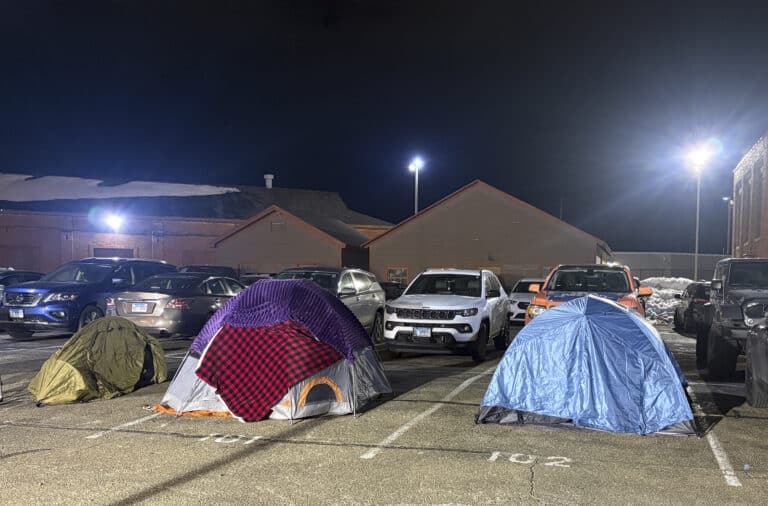
CHAMPAIGN — Champaign City Council gave feedback to the team drafting the city’s proposed homelessness prevention blueprint Tuesday.
The plan presented at the city council meeting was one of the 2025-2027 council’s top priorities aiming to reach a homelessness rate of “functional zero.” Functional zero is attained when homelessness is rare, brief and non-recurring as defined at the meeting.
The blueprint rests on four overarching goals, including preventing homelessness before it occurs, strengthening crisis response and emergency services, expanding access to safe, affordable and permanent housing and to collaborate with partners on shared solutions.
The plan tentatively expands already existing programs including emergency rental assistance and rapid rehousing funds.
It also proposes new solutions, like examining the feasibility of a day center. This would be a shelter for unhoused people to go while the emergency and temporary housing shelters are closed during the day.
Council member Kathy Shannon noted how important these funds are to the city’s wellbeing.
“You can’t have economic development if you don’t have people being housed,” she said. “Children can’t learn if they’re not housed. Every single other item that we care about, it doesn’t happen if people don’t have safe, secure housing.”
The city also aims to collaborate with federal, state and local agencies as well as public and private stakeholders to help support these proposed preventative initiatives.
The team leading the proposal has done extensive research on what has been successful and beneficial in other municipalities’ efforts to reduce homelessness.
Due to a recommendation from the Illinois’ Chief Homelessness Officer, in combination with gathered data, the proposal includes a request to hire a Homelessness and Community Services Manager to oversee these proposed strategies and outcomes.
The budget request to cover all costs in the blueprint is $2.4 million dollars.
“This is essential. This isn’t just charity,” Shannon added. “This is how we build a community. This is how things work.”
City council approved the blueprint to be finalized with and for members’ feedback to be incorporated.