

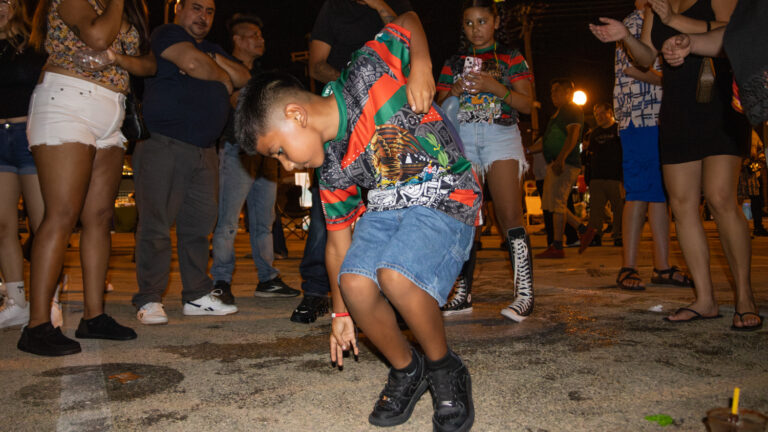
CHAMPAIGN — Hundreds gathered in downtown Champaign on Sunday for the city’s El Grito, a celebration of Mexican independence from Spain. The event kicked off Hispanic Heritage Month, which is Sept. 15 through Oct. 15.
El Grito de Dolores, or The Cry of Dolores, was the call to arms marking the beginning of the Mexican War of Independence. Now El Grito is held every year in Mexico City and all over the world, bringing Mexicans together to commemorate their history.
“It’s more than celebratory,” said Ricardo Diaz, one of the event organizers. “I would say it’s a marker of identity.”
This year’s celebration, organized by Hispanic community members, business owners and volunteers, was the fourth El Grito held in Champaign. The event featured musical and dance performances as well as local food trucks and vendors.
Ahead of the event, some community members voiced concerns about the safety of holding El Grito, fearing potential raids from the U.S. Immigration and Customs Enforcement, given the Trump administration’s immigration crackdown and the number of increased arrests this year.
Diaz said the organizers voted unanimously to go forward despite the risks.
“We are inviting our other international friends and locals, nonimmigrants, to come be part of the celebration, and by doing that, be part of the safety generated in numbers when we’re all together,” he added. “It is very unlikely that the feds would come up and show up and meet a bunch of angry folks that are citizens and want to keep our town friendly.”
Groups planning El Grito celebrations across the country have been forced to confront similar concerns. Chicago’s official El Grito, which was expected to draw a crowd of over 20,000, was postponed and downsized in response to fears of ICE activity.
A recent Supreme Court decision allows immigration officers to consider things like race and language spoken in their decision to detain someone, effectively permitting racial profiling. Diaz said Hispanic communities have taken a hit from the recent news, whether they personally know someone who has been deported.
“There’s going to be joy and rejoicing, but we also have lots of mourning to do,” he said. “The stuff that we’ve seen on TV is very real.”
In spite of federal activity, Diaz said he thinks the festival could help create feelings of unity and safety among Champaign-Urbana’s Hispanic community.
“I didn’t know how much I missed this,” said Janel Gomez, who first attended Champaign’s El Grito last year. “It felt like a warm hug.”
Gomez, the community relations manager for the city of Champaign’s Equity and Engagement Department, attended this year’s festival on behalf of the city. She and a few other staff members handed out “Know Your Rights” booklets they created earlier this year.
“We printed those in English, French and Spanish, and we thought it would be a good opportunity to bring them out [and] share them with people so they know their rights in the state of Illinois,” she said.
Even with widespread anxieties about immigration enforcement at El Grito festivals in the U.S., Champaign’s festival was lively. Hundreds of people joined in dancing with puebla dancers in vibrant costumes, sang along to performances by the Urbana High School’s Mariachi Tigres and perused tents of food and art by local vendors.
“If we’re going to share fear, let’s share joy too,” said Diaz. “It balances out as humans. So that’s why, for me, it’s an occasion to do more than to drive the fear — it is to bridge to each other.”