

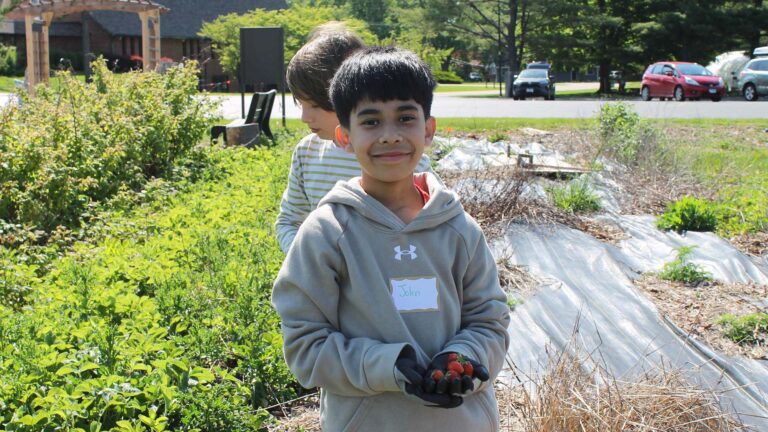
URBANA – Yankee Ridge Multilingual School fourth and fifth graders trek for almost a mile, singing about the importance of waiting at crosswalks as they get to each intersection. Once they finally reach Sola Gratia Farm, they settle under a tent for a snack.
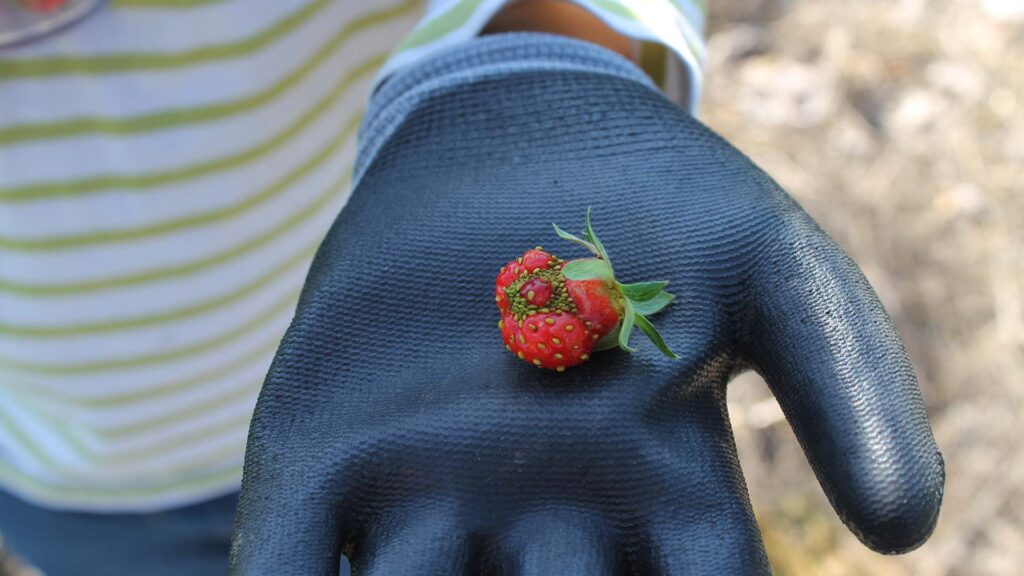
They have the usual bagged snacks, as well as a surprise for the day – picking, washing and eating strawberries straight from the vine.
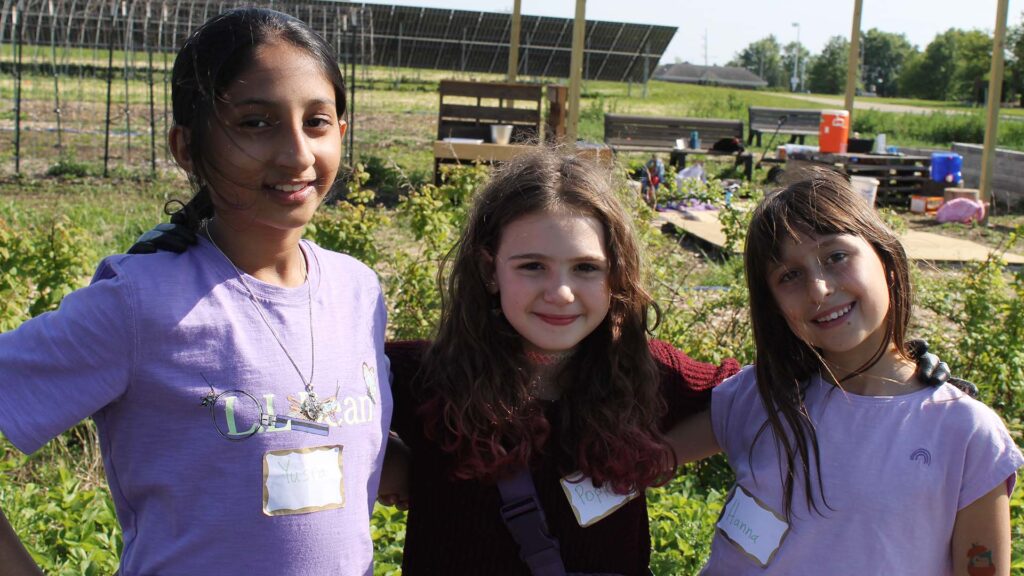
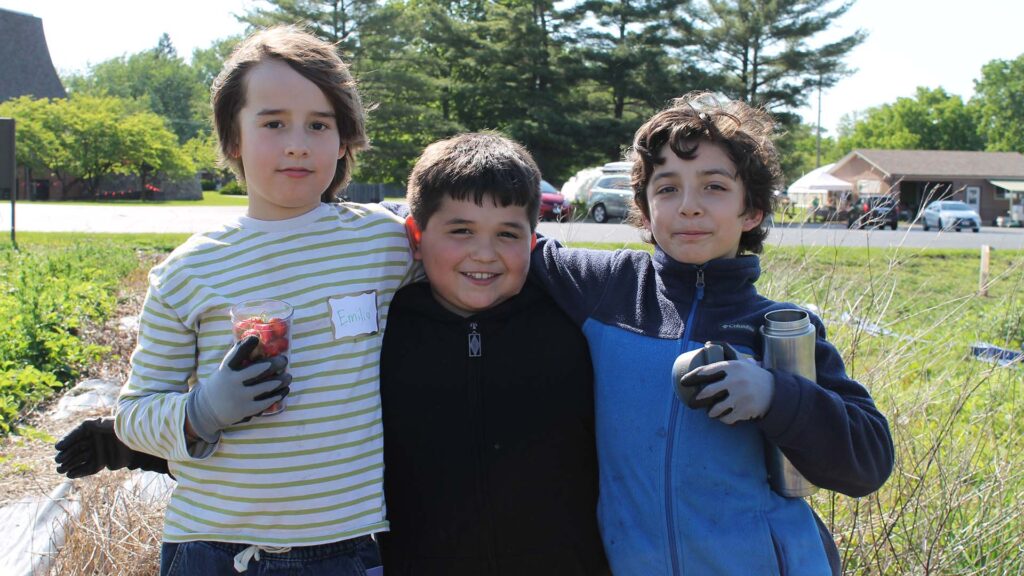
“Best strawberries I’ve ever had,” said fourth grader Hanna Sanmartin Hernandez. “I usually don’t like strawberries, but these are too good. I can’t stop eating them. I’m trying to save some for my family and I can’t do it.”
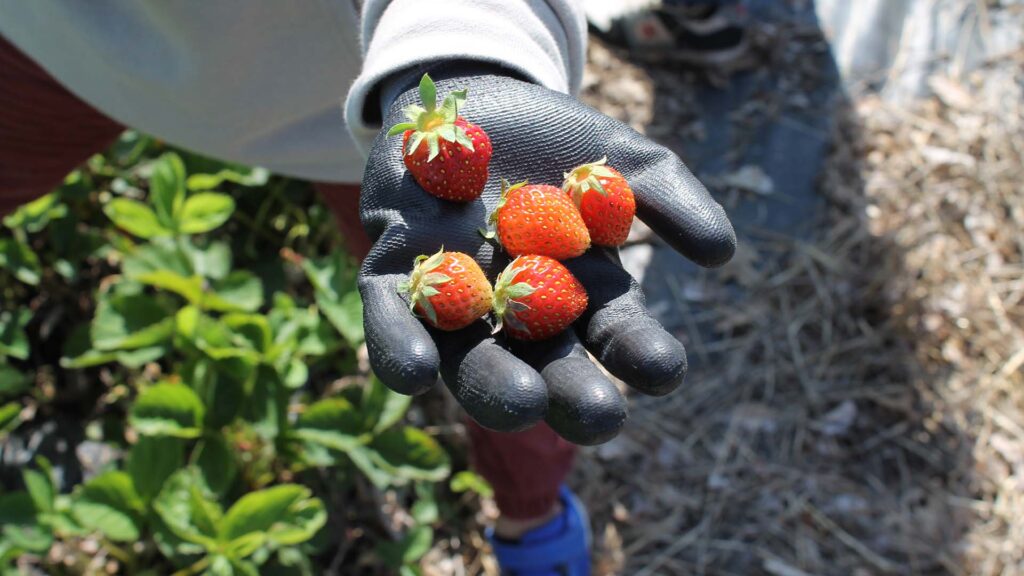
The students visit the non-profit, urban farm every Friday after school to learn about plants, get their hands dirty and breathe the outside air.
“It’s peaceful,” said John Matthew Gutierrez Rivera.
But this week could be the last Friday on the Farm, because the grants supporting Urbana District 116’s Farm to School program expire at the end of June.
Farm program runs out of money
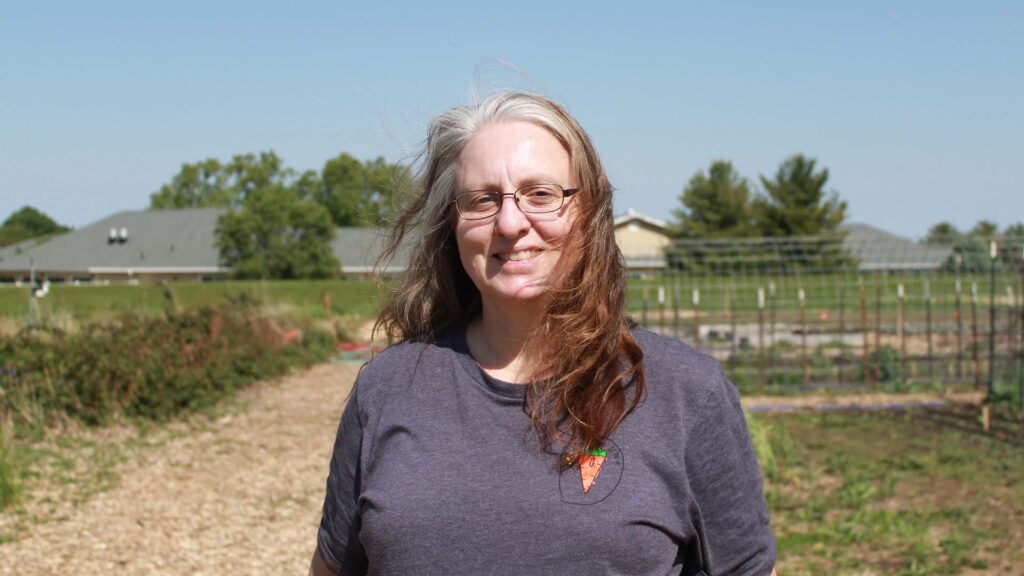
“This program is 100% grant funded, so we apply for everything we’re remotely eligible for, but the competition is pretty steep,” said Urbana School District 116 Farm to School Coordinator Jenny Flowers.
Flowers said Sola Gratia and the Champaign-Urbana Public Health District first approached District 116 about the idea and got a grant for a program in 2020. Since then, the organizations have rotated applying for federal dollars to support the program.
The Trump administration canceled one set of these grants in 2025. That originally did not impact Urbana, which was still in the middle of a multiyear grant.
But when the Trump administration restarted the program in the fall of 2025, the recipients of the cancelled grants applied alongside new applicants. There were over twice as many applicants for fewer grants that would each allocate more money – a change put in place by the U.S. Department of Agriculture with the relaunch of the program.
“It’s hard to say definitively yet how the changes affected what projects got awards,” National Farm to School Network Policy Director Karen Spangler said by email.
“The changes toward larger, multi-partner projects with a minimum of $100k is very different than previous rounds (for instance, there had not been a minimum award amount in the past). It required applicants to already have connections, or make them quickly, which we know takes time and effort.”
The money supported Flowers’ position, and local dollars from the city of Urbana provided stipends for teachers leading the programs at each school.
Both grants end this summer, and while Flowers and Sola Gratia have been applying for everything they can, nothing has materialized yet.
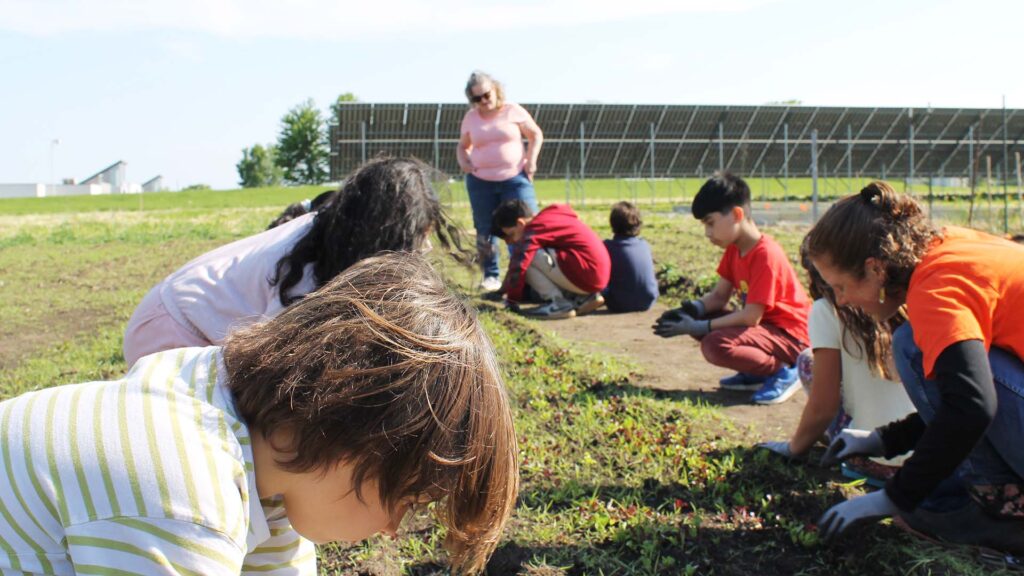
Flowers said that of the garden programs at Urbana schools, the Sola Gratia visits will likely be able to continue without largescale funding because the farm and Yankee Ridge’s garden coordinator, Hannah Romanchuk, have each had past success in securing their own grants.
But Urbana’s farm to school program also includes gardens at nine other Urbana schools, money for guest speakers like mushroom farmers, other farm tours, and getting local food into the cafeterias.
Spangler said the USDA still has about $5 million for Farm to School programs that it has not given out yet. After that, it will be up to Congress to set aside money for the next year of grants.